Greece Family Vacation: Best Islands & Packages With Kids
Greece with children comes down to logistics more than sights: shallow beaches your kids can actually wade into, ferry legs short enough to survive, and a hotel close to the sand. This guide covers the easiest islands, how long to go, when to travel, and exactly what a package takes off your plate when you are moving around with kids.
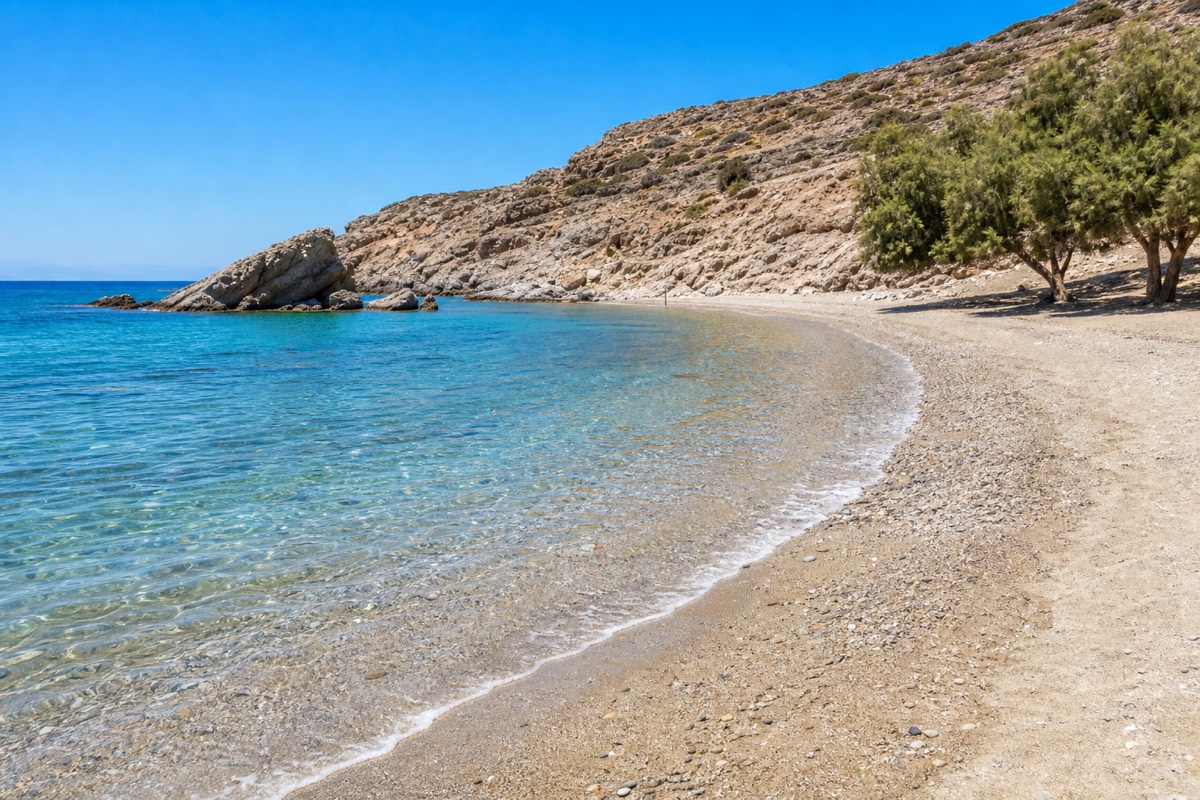
Two things decide whether a Greek island trip works with children: how many stairs sit between you and dinner, and how far the sand is from where you sleep. Get those right and Greece becomes one of the easier family holidays in Europe, built on short ferry hops, shallow bays and ruins that double as an open-air mythology lesson. Get them wrong and you spend the week hauling a stroller up a cliff in the July heat.
Is Greece a good family vacation with kids?
Greece works very well for families, and it works best with school-age children from about six and up. The mix of safe swimming, boat rides between islands and hands-on ancient history keeps kids engaged, while the real watch-outs are summer heat and the steep stairs in Santorini's cliff towns. A relaxed private or small-group pace beats a rushed standard coach tour every time.
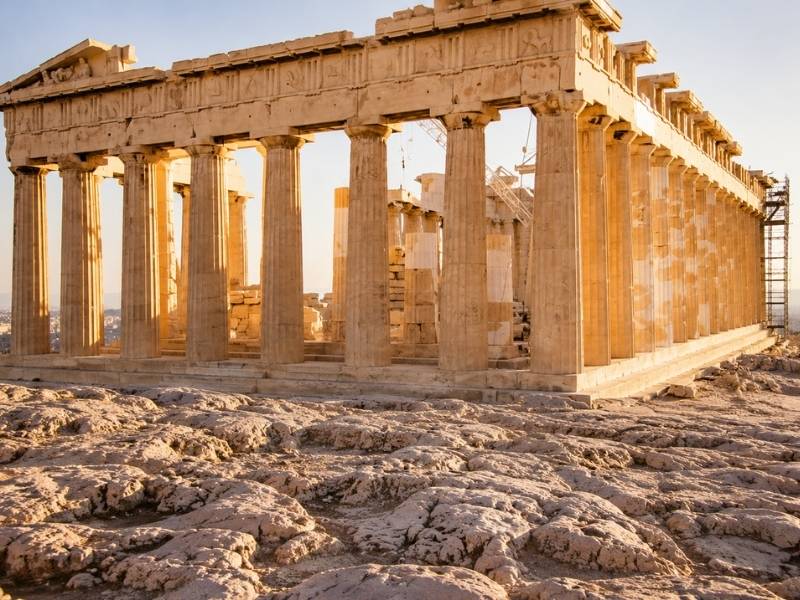
The appeal is easy to see once you are there. Boat rides between islands feel like an adventure rather than a transfer, the beaches on the Cyclades stay shallow and calm for a long way out, and standing under the Acropolis while a guide retells the myths turns a history lesson into something a nine-year-old actually remembers. Older children who have met Greek mythology at school get a genuine thrill from Mycenae and the Acropolis.
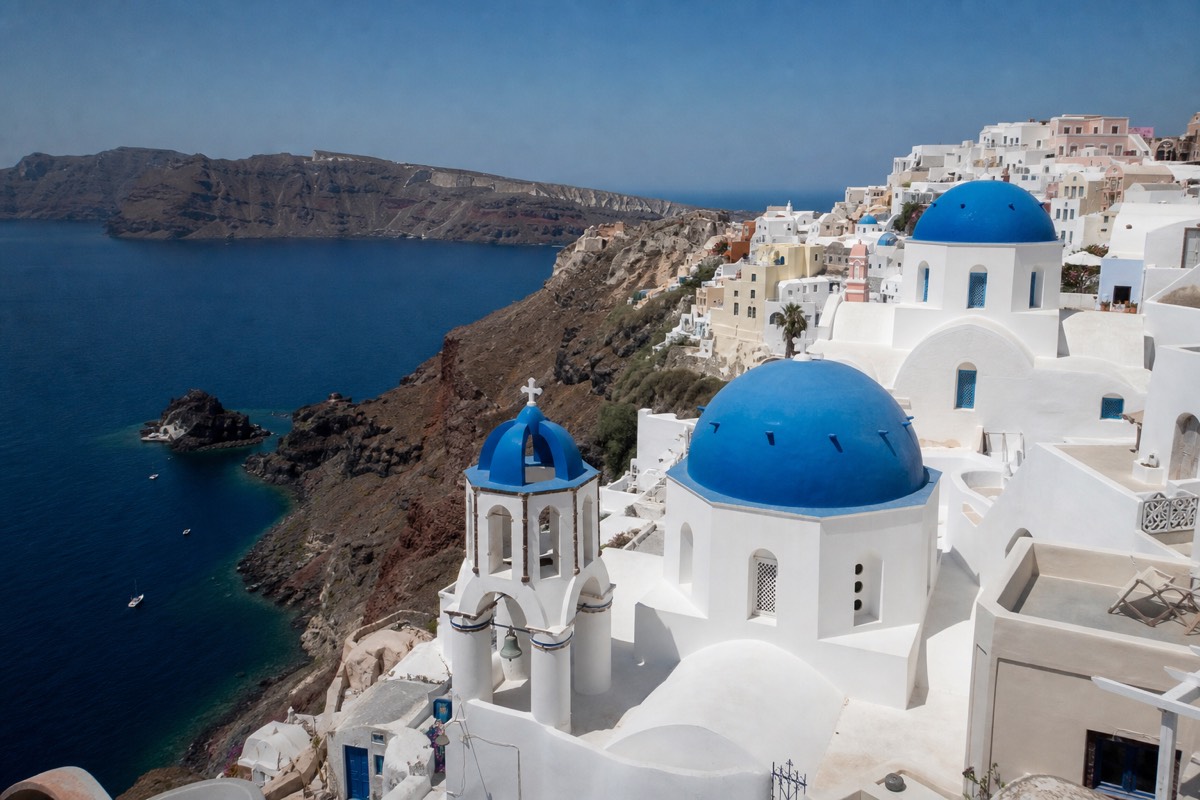
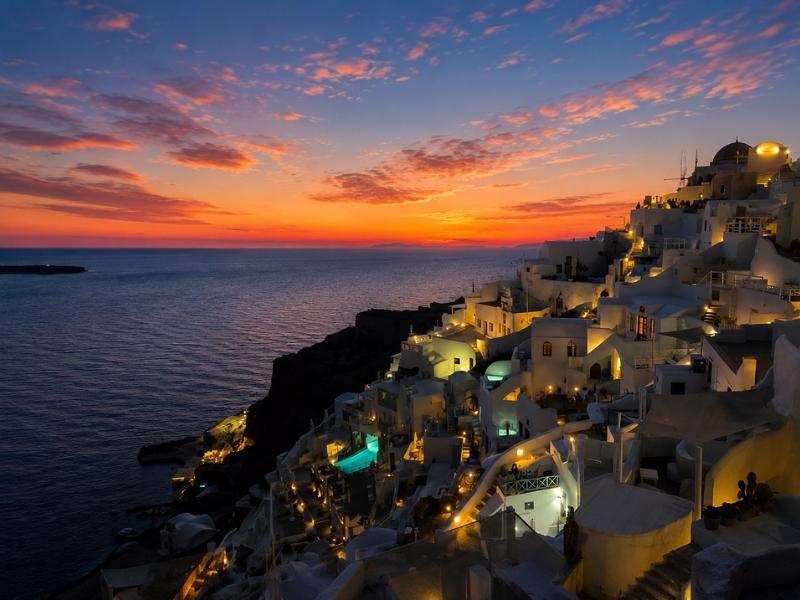
The honest caution is heat and terrain. Summer temperatures in July and August tire young children quickly, and Santorini in particular is a cliff, so Oia and Fira mean long flights of steps that defeat toddlers and strollers alike. Standard fixed-departure coach tours can also feel rushed for a family, since they are built around covering ground rather than a mid-afternoon nap. The fix is pace: a private or small-group itinerary lets a good operator slow the days down, add child-friendly stops and choose hotels near a beach. If you are weighing the trade-offs of a set package against planning it yourself, our take on what a Greece package actually includes lays out where the value sits for families.
| Child age | What lands well | What to watch | Best trip style |
|---|---|---|---|
| Under 5 | Shallow beaches, boat decks, pool time | Heat, stairs, short attention span at ruins | One flat island plus Athens, slow pace |
| 6 to 9 | Mythology at the Acropolis and Mycenae, snorkelling, ferry rides | Midday heat, long unshaded sites | Athens plus one or two easy islands |
| 10 to 13 | Sea kayaking, volcano and caldera trips, exploring towns | Boredom on repetitive museum days | Island hopping with active add-ons |
| 14 and up | Independence in port towns, sunsets, water sports | Wanting downtime and wifi over sightseeing | Multi-island loop, teen-led free time |
Which Greek islands are best for families?
Naxos and Paros are the easiest family islands, with long shallow sandy beaches and flat, walkable towns. Santorini is the showpiece but has the most stairs, Mykonos has excellent beaches alongside a party reputation, and the Saronic islands near Athens make gentle day trips. For young kids, base on Naxos or Paros and keep Santorini short.
Naxos has the best family beaches in the Cyclades, with the long sandy stretches of Plaka and Agios Prokopios shelving gently into calm water, plus a flat harbour capital kids can explore. Paros is its close rival, with the shallow bays of Kolympithres and the wide sands of Golden Beach and Santa Maria, and the pretty fishing village of Naousa for early dinners. Both islands appear together on a nine-day Paros, Naxos and Santorini route that is well suited to a relaxed family pace.
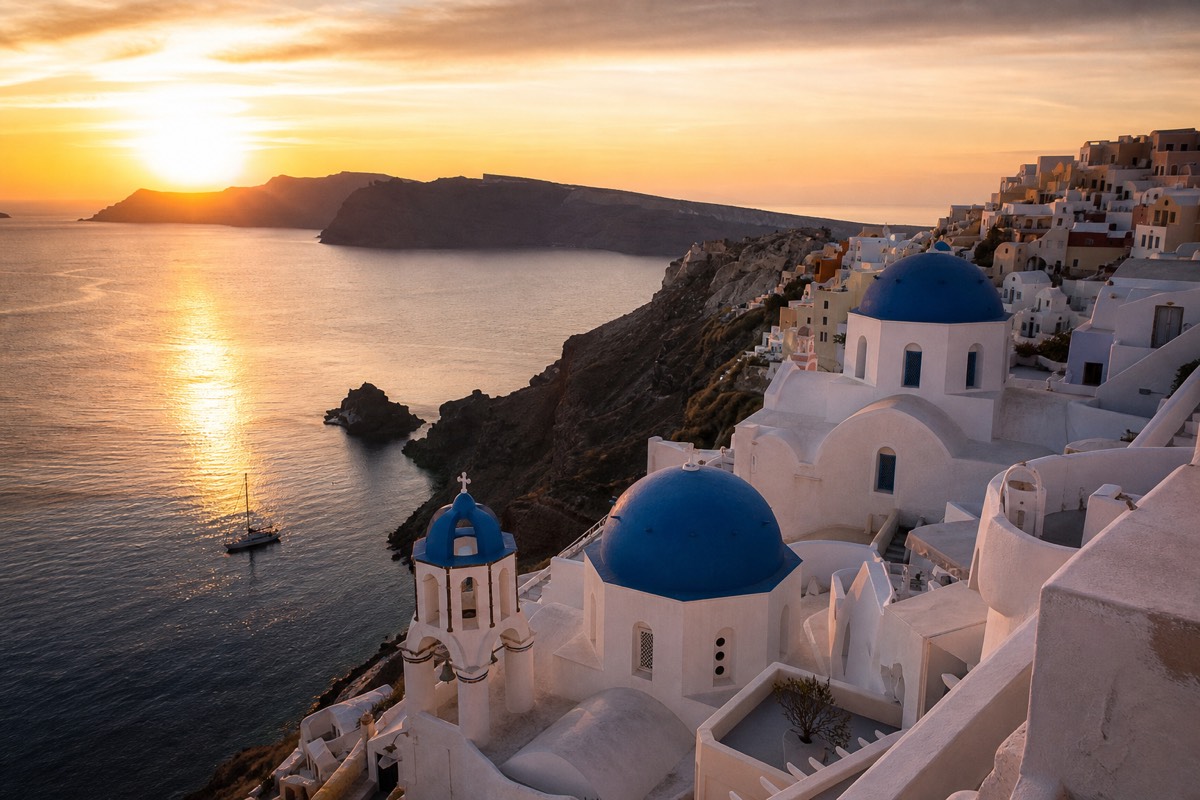
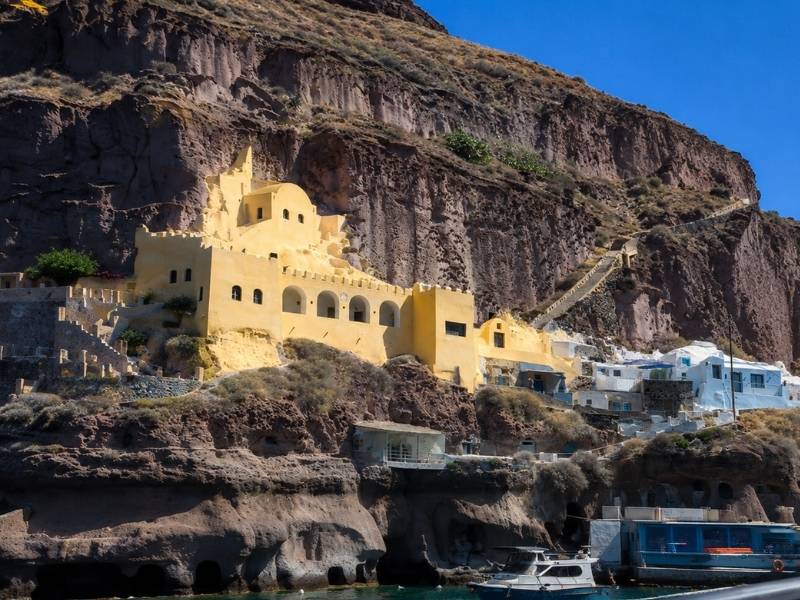
Santorini earns its fame, and children love the black volcanic sands of Kamari and Perissa and the boat trip out to the steaming crater, but the cliffside villages are a workout, so treat it as a two or three night highlight rather than a base, the opposite of how couples plan a Greece honeymoon. Mykonos has genuinely good gold-sand beaches and easy Chora lanes by day, though its nightlife reputation means picking a quieter beach hotel. Crete suits older kids who like a mix of the Knossos palace and long beaches, and the car-free Saronic island of Hydra plus pistachio-famous Aegina make an easy day at sea from Athens. If you are still deciding between the two headline islands, our comparison of whether Santorini or Mykonos suits you better weighs them for different travellers.
Two more options widen the choice for families. Crete suits older children who like variety: the Minoan palace of Knossos plays well after a mythology unit at school, and the island's long beaches and mountain villages give teenagers room to roam. The Saronic islands make the gentlest day out of all, and several tours build in a full-day cruise from Athens to car-free Hydra, pine-shaded Poros and pistachio-famous Aegina, which is an easy way to give kids a taste of island-hopping with a buffet lunch on board and no luggage to move. Neither needs a long stay to earn its place in a family trip.
| Island | Beaches for kids | Walking and stairs | Family verdict |
|---|---|---|---|
| Naxos | Plaka, Agios Prokopios: long, sandy, shallow | Flat town, easy | Easiest all-round base |
| Paros | Kolympithres, Golden Beach, Santa Maria | Level, stroller-friendly | Great for young children |
| Santorini | Kamari, Perissa: black volcanic sand | Many stairs in Oia and Fira | Short highlight, not a base |
| Mykonos | Gold-sand bays, calm on the south | Easy in town | Good with a quiet beach hotel |
| Crete | Long sandy beaches plus Knossos | Mixed, some sites large | Best for older kids |
| Saronic (Hydra, Aegina) | Small coves, day-trip swims | Hydra is car-free and flat | Easy day trip from Athens |
How many days do families need in Greece?
A week is enough for Athens plus one island; nine to ten days lets you add a second island without rushing. Families feel the difference most in the slow days, so build in beach afternoons rather than stacking islands. Two weeks suits a three-island loop with real downtime and is the most forgiving option with younger children.
The mistake families make is treating days as a budget to spend on sights. With kids, half of every day disappears into meals, naps, sunscreen and the walk to the beach, so a packed itinerary that looks fine on paper turns into a daily march. A six-day Athens, Mykonos and Santorini trip is a satisfying first taste, but it moves quickly. Nine or ten days is the family sweet spot, adding a calm island like Naxos or Paros so there is at least one stop where nobody has to be anywhere. For a fuller breakdown by trip length, see our guide to how many days you need in Greece.
The packages below map onto real trip lengths. Prices are per person and move with season and dates, so treat them as a starting point and check the live listing.
| Trip length | Realistic with kids | Islands | Example package |
|---|---|---|---|
| 6 days | Fast first taste | Athens, Mykonos, Santorini | Sightseeing, hotels and ferries package, from $1386 |
| 7 days | Relaxed, self-paced | Athens, Mykonos, Santorini | Self-guided island hopping, from $1139 |
| 9 days | Comfortable pace | Athens, Paros, Naxos, Santorini | Nine-day island hopping, from $2305 |
| 10 days | Best balance | Athens, Mykonos, Santorini | Semi-private with three guided half-days, from $3352 |
| 15 days | Slow multi-island | Athens plus four islands | Self-guided best of Greece, from $2289 |
What does a family package actually handle for you?
A package removes the exact parts that go wrong with children in tow: ferry tickets, port-to-hotel transfers, hotels chosen near beaches, entrance tickets and the timed Acropolis slot. Instead of buying ferry seats on your phone and dragging luggage through a crowded harbour, a representative meets you at the dock and drives you to the hotel.
The value of a package with kids is not the sightseeing, it is the friction it removes. Greek island ports are busy, hot and confusing during ferry windows, and doing that with children and suitcases is where family trips unravel. On the sightseeing, hotels and ferries package the inter-island seats are pre-booked and numbered, a local agent meets you at each pier, and the Santorini to Athens leg is a short domestic flight rather than a long evening ferry. The Acropolis is timed-entry and books out in summer, and packages secure that slot for you. This is the whole case for booking it as a set trip rather than piecing it together, and it is what the itineraries at Greece Tour Packages are built around.
Group size is part of the reassurance too. Some island packages run their walking tours in small groups capped at around fourteen travellers, and the sightseeing package even bundles basic health insurance and a local data eSIM, so a parent has maps and the operator's support line to hand from the moment they land. Those small touches matter more with children than they sound, because the trip's weak points are the transitions, and a package is designed to smooth exactly those.
One caveat worth setting straight: a Greece package is not resort all-inclusive. Breakfast is covered, but most lunches and dinners are your own, and hotels collect a small per-night city tax on the spot. Knowing that up front avoids the one disappointment families report.
| Family stress point | Doing it yourself | What a package handles |
|---|---|---|
| Inter-island ferries | Booking seats, tracking timetable changes | Numbered seats pre-booked, some legs flown |
| Airport and port transfers | Taxi queues with tired kids | Private or shared transfer, meet and greet |
| Luggage at busy ports | Hauling bags through crowds | Representative handles the dock transfer |
| Hotel location | Guesswork on how far the beach is | Hotels chosen near beaches and centres |
| Timed Acropolis entry | Slots sell out in summer | Entry secured as part of the package |
What is the best pace and daily rhythm for kids?
Build the day around the heat: sightseeing early, a long midday break out of the sun, then beach or pool in the late afternoon, and a late Greek-style dinner. Trying to sightsee at noon in July is how family days fall apart. Two focused activities a day is plenty, and the sea does the rest of the entertaining.
Greek families themselves disappear indoors in the middle of the day, and copying that rhythm is the single best move a visiting family can make. The Acropolis and the open island sites are largely unshaded, so the marble and stone throw back the sun by late morning. Front-load the culture into the cool early hours, retreat for lunch and a rest when the heat peaks, then let the kids loose on the beach as it softens in the afternoon. Dinner runs late in Greece, and children are welcome in tavernas well past their usual bedtime, which takes the pressure off an early evening.
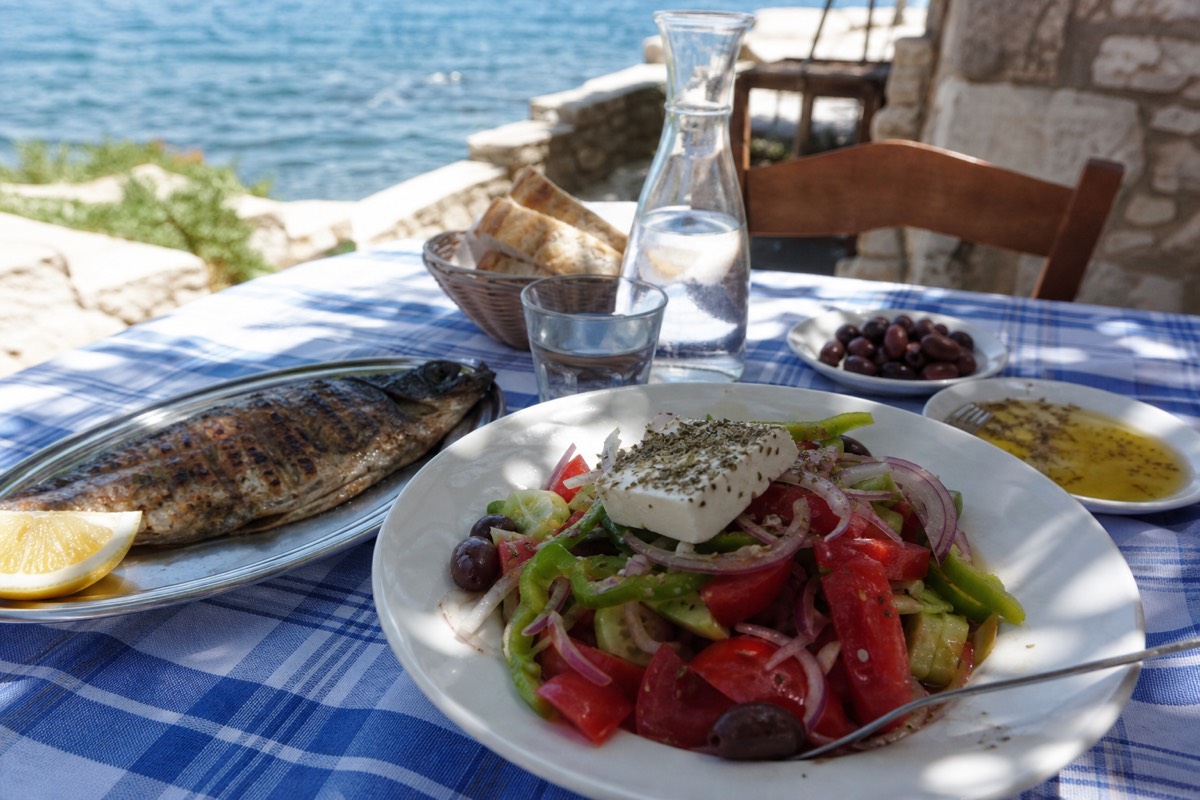
The rhythm below is a planning template rather than a fixed schedule. The point is the shape of the day, not the exact clock.
| Time | Activity | Why it works |
|---|---|---|
| 8 to 9am | Breakfast at the hotel | Included on packages, unhurried start |
| 9am to 12 | One sight or a boat trip | Cooler air, kids are fresh |
| 12 to 4pm | Lunch, shade, nap or pool | Out of the peak heat |
| 4 to 7pm | Beach and swimming | Sea is warm, sun is softer |
| 8 to 9pm | Taverna dinner | Late dining is normal and kid-friendly |
When should families travel to Greece?
Late May into June and September are the family sweet spots: warm sea, manageable heat and thinner crowds. July and August are the hottest and busiest, which is hard on young children even though the school holidays make them the default. Shoulder-season weeks give you the same beaches with far less strain.
The trade-off for families is real. The obvious window is the summer school holiday, but that is also when the heat peaks, the sites are most crowded and prices are highest, all of which weigh heaviest on the youngest travellers. If your children are not yet school age, or you have any flexibility, late May, June and September deliver warm, swimmable water with gentler temperatures and shorter queues at the Acropolis and the island viewpoints. The sea holds its summer warmth well into September. For the full month-by-month picture, our guide to the best time to visit Greece breaks down weather, crowds and prices across the year, and the national tourism board's destination guides track seasonal events island by island.
| Month window | Heat | Sea for swimming | Crowds | Family note |
|---|---|---|---|---|
| April to mid-May | Mild | Cool, brisk | Low | Great for sightseeing, chilly for long swims |
| Late May to June | Warm | Warming up | Building | Excellent balance for kids |
| July to August | Hot | Warm | Very high | Busy and tiring, book early |
| September | Warm | Warmest of the year | Easing | Best overall for families |
| October | Mild | Still swimmable early on | Low | Quiet and cheap, some services wind down |
What should families pack and plan for?
Pack for stairs, sun and water: grippy closed shoes, high-factor sun cream, water shoes for pebbly and volcanic beaches, and some cash for the per-night city tax hotels collect on arrival. Greek beaches are often stone rather than soft sand, and the marble at ancient sites gets slick, so footwear matters more than most families expect.
The packing list is short but specific. Closed, high-grip shoes handle the polished marble at the Acropolis and the stone steps of Santorini's cliff towns far better than flip-flops. Many of the prettiest swimming spots are pebble or volcanic rock, so water shoes save small feet. Sun protection is not optional in the Mediterranean glare, and a light layer is useful on breezy ferry decks. Practically, budget a little cash for the mandatory overnight city tax, which hotels charge directly and runs from around one and a half to fifteen euros per room per night depending on the hotel's star rating and the season. A local data eSIM, included on some packages, keeps maps and the operator's support line to hand. The national marketing site Discover Greece is a reliable place to sanity-check beach and village details as you plan. When the pieces are in place, a slow multi-island trip like a Greek island-hopping route becomes genuinely relaxing rather than a logistical test.
| Item | Why | Where it matters most |
|---|---|---|
| Closed grippy shoes | Slick marble and stone steps | Acropolis, Meteora, Santorini |
| SPF 50 sun cream and hats | Strong Mediterranean sun | Everywhere, all day |
| Water shoes | Pebble and volcanic beaches | Santorini, rocky coves |
| Light layer | Breezy open ferry decks | Every sea crossing |
| Cash for city tax | Charged on the spot, per night | Every hotel check-in |
| Local data eSIM | Maps and operator support | Ports and transfers |