Best Time to Visit Greece: A Month-by-Month Guide (2026)
The short version most travellers land on after one trip: late spring and early autumn beat high summer on almost every measure that matters, from the price of a hotel to the length of the line at a caldera viewpoint.
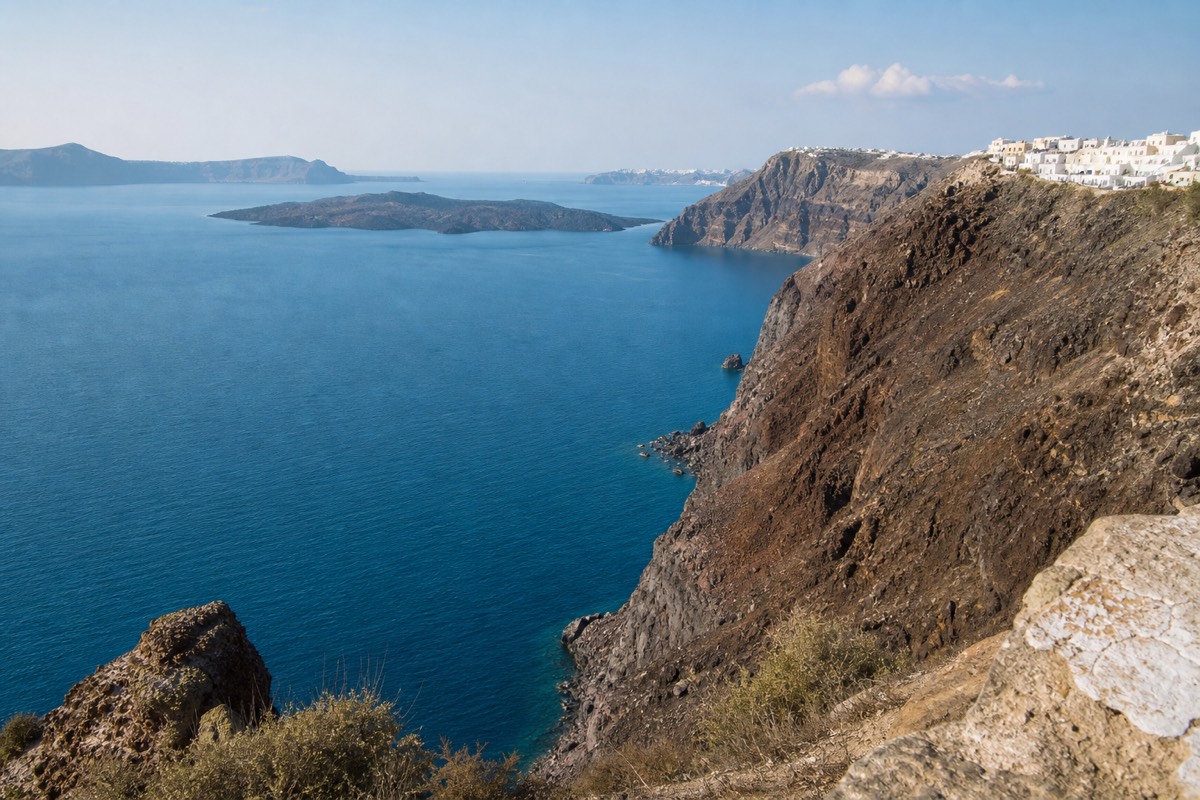
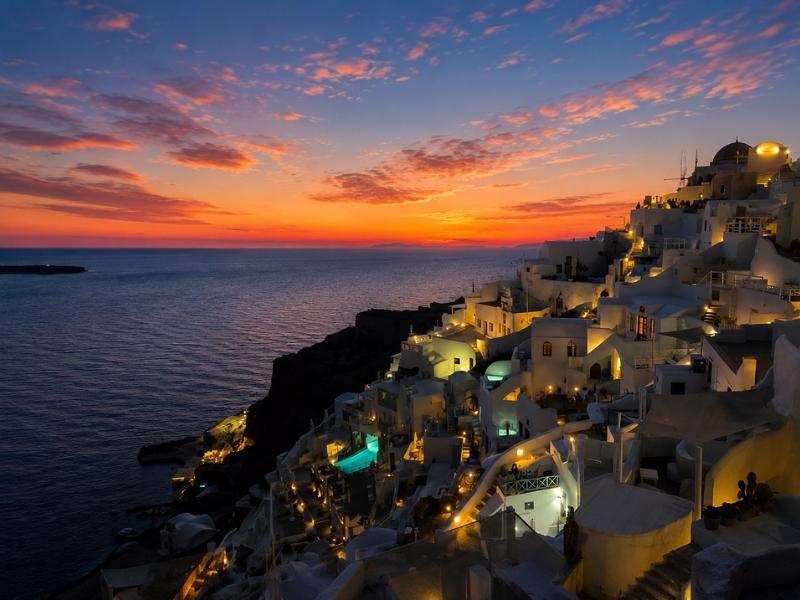
Ask ten people who have just come back from Greece when to go, and most land in the same place, and it is almost never the middle of August. The country runs on a hard summer season. Whitewashed islands that feel like private worlds in May turn into a scrum of ferries and cruise passengers by late July, then empty out again once the school holidays end. Get the month right and the same caldera view comes with a breeze and half the crowd. Get it wrong and you are queuing in 38C heat for a photo everyone else is queuing for too.
Greece by month, at a glance
A planning guide in our own voice, not a forecast. Colours mark how easily the conditions line up for a typical trip: spring and early autumn are the sweet spots, July and August deliver heat and crowds together, and winter trades open islands for low prices.
When is the best time to visit Greece?
The best window is the shoulder season: roughly late April to mid-June, and again from September to mid-October. In those weeks the islands are fully open, the sea is warm enough to swim, daytime heat stays comfortable rather than punishing, and both crowds and prices sit well below the July and August peak.
Those two windows are when a Greece trip is easiest to enjoy and easiest to book. Hotels that sell out in August have space in May. Ferries run often enough to move between islands without long waits, yet the ports stay calm. And the light in late September, low and gold over the Cyclades, is the kind most photographers quietly prefer to the flat glare of midsummer. If you are still deciding how to spread your days, our advice on how many days you need in Greece pairs naturally with picking the month.
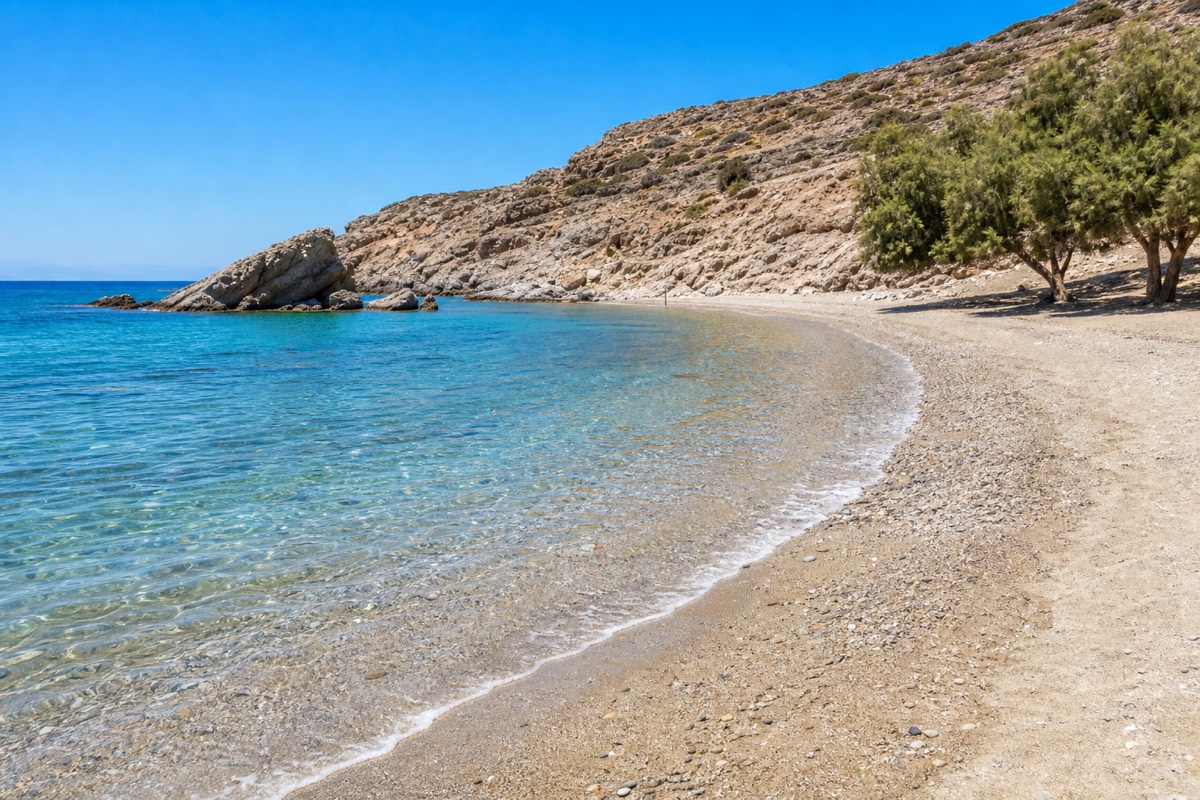
High summer still has its place. If your trip depends on school holidays, July and August deliver reliable heat, the longest days and the fullest ferry timetable. You simply trade that for bigger crowds, higher prices and the need to plan further ahead. A guided package like a 9-day Cyclades island-hopping route folds the ferries and island hotels into one booking made months in advance, which is exactly what the itineraries at Greece Tour Packages are built to do. If you would rather work out the boats yourself, our take on whether to take the ferry or fly between the islands walks through the transport side.
How does each month of the year compare?
The year splits into three moods. Spring warms and opens up from March, hits a sweet spot in May and June, then tips into a hot, crowded peak across July and August. September cools the crush without cooling the sea, October winds the season down, and the November to March stretch is quiet, cheap and half-closed on the smaller islands.
The scorecard below is the fast way to read the whole year at once. Treat every entry as a planning allowance, not a promise: sea temperature, crowd levels and prices all shift year to year and island to island, so confirm the live listing for exact departure dates and current prices before you commit.
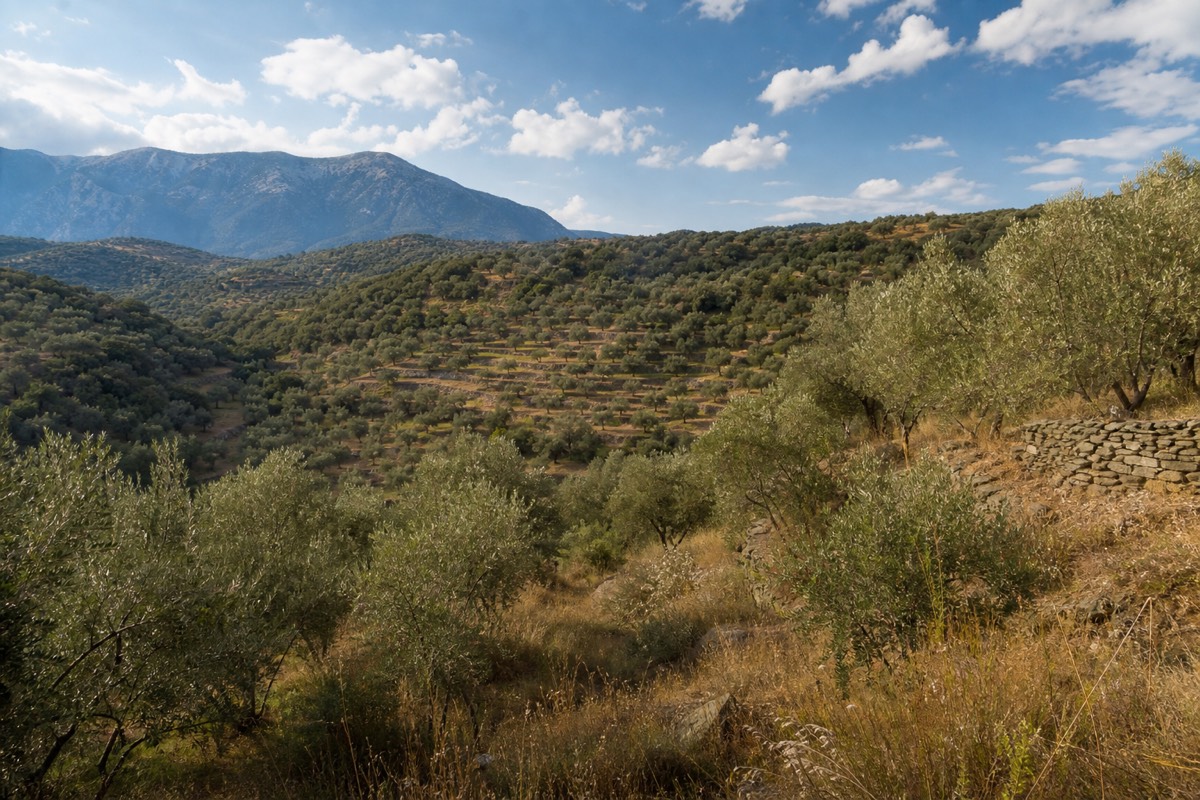
| Month | Daytime feel | Sea for swimming | Crowds | Prices | What is open |
|---|---|---|---|---|---|
| January | Cool, some rain | Too cold | Very low | Lowest | Cities and mainland open; many islands quiet |
| February | Cool, Carnival season | Too cold | Very low | Lowest | Cities lively; limited island services |
| March | Mild, greening up | Cold | Low | Low | Sites open, daylight returning |
| April | Mild, wildflowers | Brisk, early dips only | Low to moderate | Good value | Season starts; Easter spike mid-month |
| May | Warm, settled | Swimmable | Moderate | Rising | Islands open, ferries ramping up |
| June | Warm to hot | Warm | Moderate to high | Rising | Full timetable, longest days |
| July | Hot, meltemi wind | Warm | High | Peak | Everything open, busiest begins |
| August | Hot, meltemi wind | Warmest | Highest | Peak | Everything open, book far ahead |
| September | Warm, easing | Warm | Moderate | Easing | Full season, calmer ports |
| October | Mild, cooling | Cooling, often fine early | Low to moderate | Falling | Season winds down mid-month |
| November | Cool, wetter | Too cold | Low | Low | Islands quieten, cities fine |
| December | Cool, festive cities | Too cold | Very low | Low | Athens open; most islands off-season |
Read down the columns and the pattern is obvious. Value and space are best at the two ends of the open season, heat and crowds peak together in the exact same weeks, and the sea lags the calendar: it is at its warmest not in June, when the sun is highest, but in late August and September, once the water has spent months soaking up that sun. That single lag is why September is so many repeat visitors' favourite month, and why it keeps coming up as the best month for Greek island hopping.
Shoulder season, peak, or winter: which season fits you?
Pick the shoulder season for the best all-round balance, peak summer if you need guaranteed heat or travel on school holidays, and winter only for a city-and-history trip. The shoulder months hand you open islands at lower prices and calmer ports; summer trades that for crowds and cost; winter trades open islands for the lowest prices of the year.
Most first-time visitors are happiest somewhere in the shoulder band. The gap between a May hotel rate and an August one is large, the difference in queue length at the big sights is larger still, and the weather in both spring and early autumn is comfortable for the amount of walking a Greek trip involves. The one thing spring cannot promise is a hot sea in April, and the one thing autumn cannot promise is a full season past mid-October.
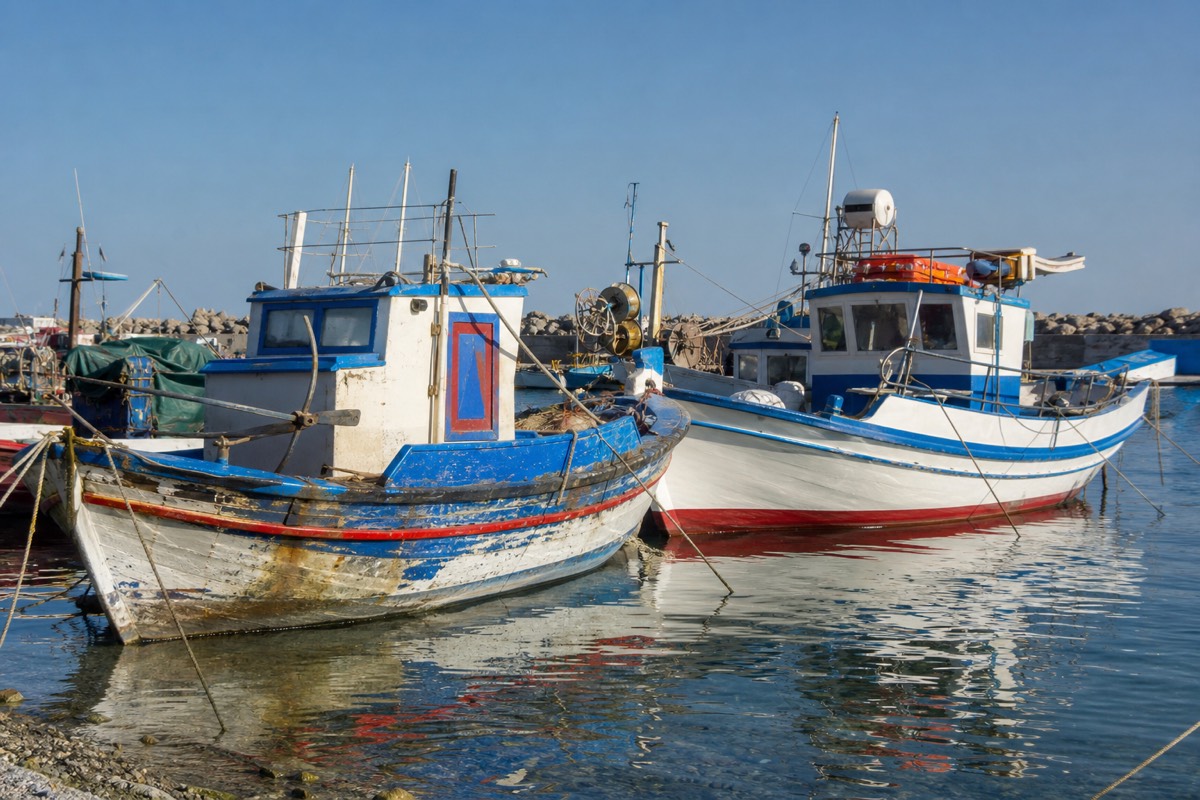
| Season | Months | Weather | Crowds and prices | Best for | Watch out for |
|---|---|---|---|---|---|
| Spring shoulder | Late Apr to mid-Jun | Mild to warm, settled | Lower, good value | First swims, sightseeing, hiking, wildflowers | Sea still cool early; Easter week very busy |
| Peak summer | Late Jun to Aug | Hot and dry, meltemi wind | Highest crowds and prices | Reliable heat, nightlife, the full timetable | Inland heat, book far ahead, rough afternoon seas |
| Autumn shoulder | Sep to mid-Oct | Warm, gradually easing | Easing; often the best value | Warm sea with thinner crowds | Season winds down quickly after mid-October |
| Winter | Nov to Mar | Cool, changeable, some rain | Lowest of the year | Athens, culture, food, budget city breaks | Reduced ferries; many islands closed |
Winter deserves a fair hearing rather than a dismissal. Athens is a genuinely good cold-weather city: the Acropolis with no line, long lunches, museums you have half to yourself. What winter cannot do is the postcard island trip, because the boats that make island hopping easy in summer run far less often, and the whitewashed villages you came for are mostly shuttered until spring. If your heart is set on Santorini or Mykonos, winter is the wrong season, and our comparison of Santorini or Mykonos is more useful once you have moved your dates into the open months.
How warm is the sea, and when can you actually swim?
The Aegean is usually comfortable for swimming from around late May through October, warmest from August into September. April is brisk and best left to cold-water fans, May turns swimmable, and the water holds its heat well into autumn because it warms slowly and cools slowly. Treat any single temperature as an allowance and check a live forecast for your island.
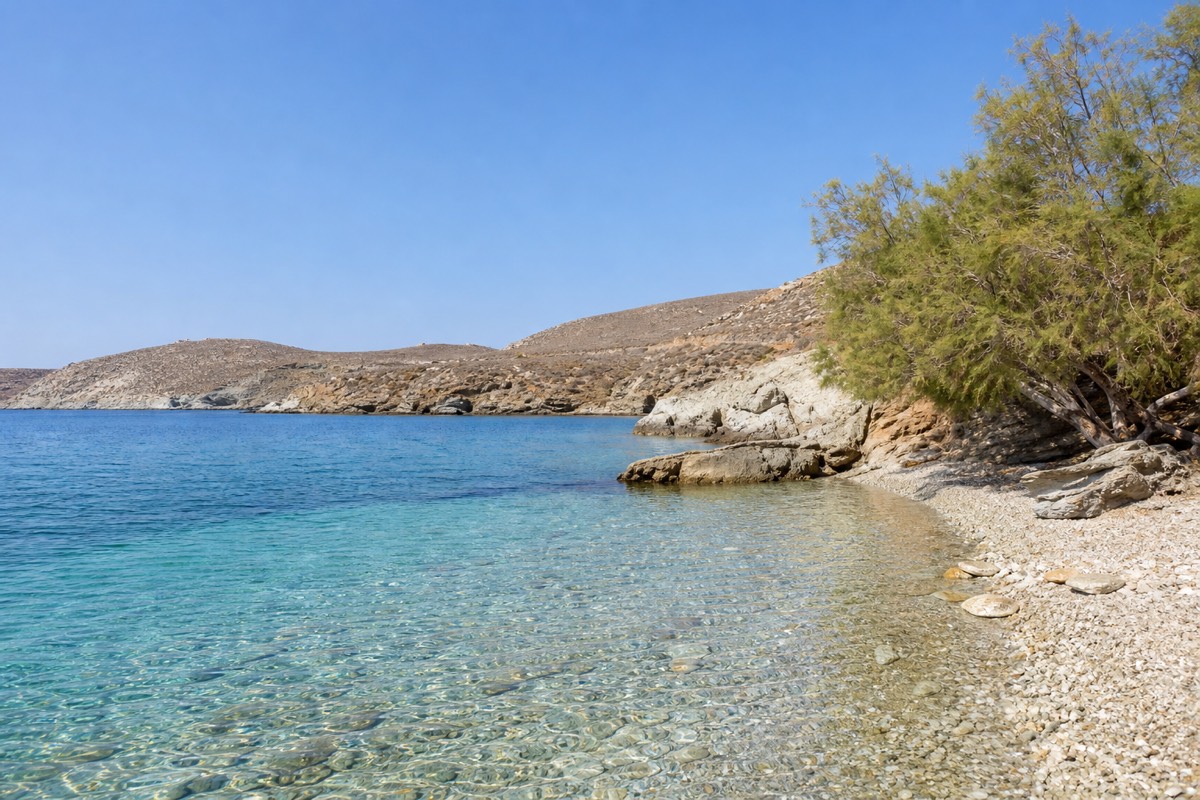
Sea temperature is the figure people get most wrong when they plan by the calendar alone. Because water changes temperature far more slowly than air, the sea is still catching up in June and only peaks weeks after the longest day. That is why a September swim usually feels warmer than a June one, even though June has more daylight and stronger sun. The table gives rough swim-season allowances, not guarantees.
| Month | Typical sea feel | Comfortable swim? | Good to know |
|---|---|---|---|
| April | Brisk | Cold-water swimmers only | Quick dips; the sun is warm even when the sea is not |
| May | Cool to mild | Yes for most | The season's first easy swims begin |
| June | Warm | Yes | Still warming; afternoons better than mornings |
| July | Warm | Yes | Meltemi can whip up chop and wind on exposed beaches |
| August | Warmest | Yes | Peak water temperature; peak crowds on the sand too |
| September | Warm | Yes | The connoisseur's month: warm sea, thinning beaches |
| October | Cooling | Often fine early in the month | Later October dips get bracing, especially up north |
One summer detail shapes swimming and boat days alike: the meltemi, the strong northerly wind that blows across the Aegean from around June through September and is strongest in July and August. It tends to build through the day and drop overnight, so a morning at an exposed north-facing beach can be calm while the same spot turns choppy by late afternoon. It is not a reason to avoid summer, just a reason to plan windier days on sheltered, south-facing coasts.
Does the best month differ for the islands and the mainland?
Yes. The Cyclades are at their best in May, June and September, when the sea is warm but the crowds and wind are not at full pitch. The classical mainland, Athens, Delphi, Olympia and Meteora, rewards the cooler shoulder months when you can walk the sites without midday heat. Crete and the far north hold a warm-beach season slightly later into autumn.
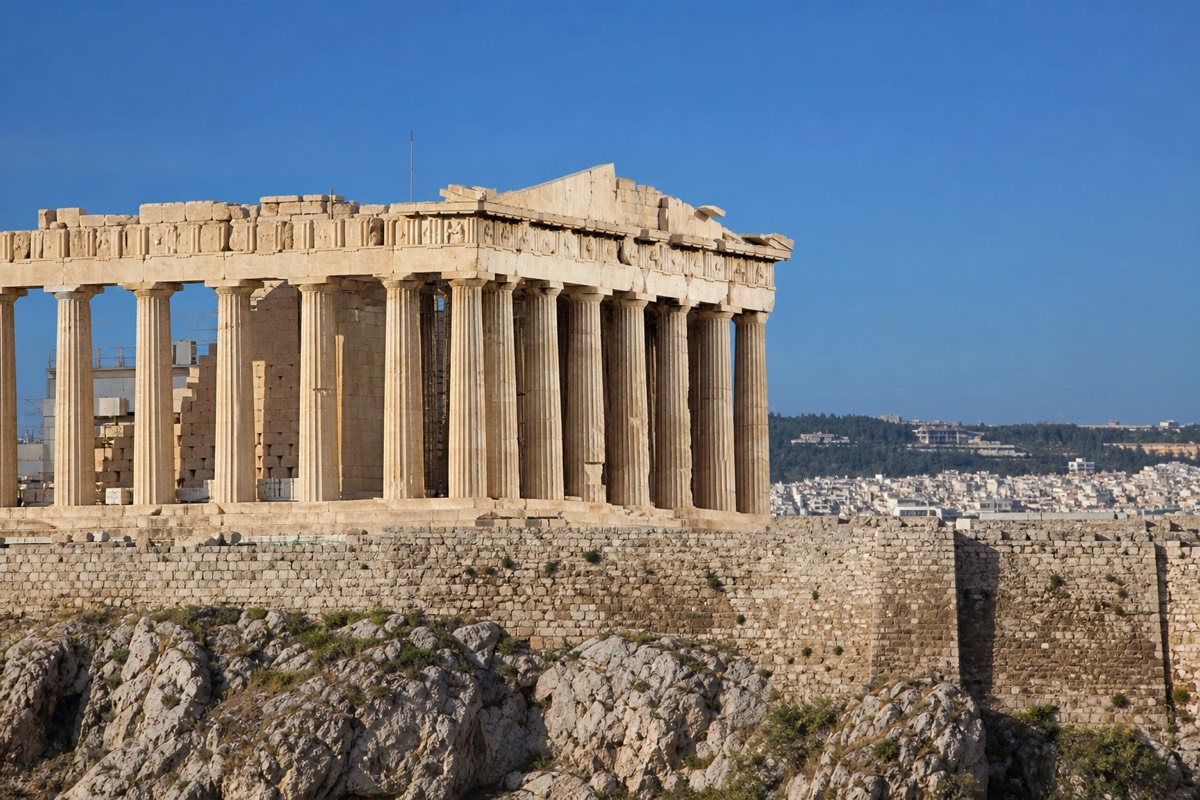
A Greece trip usually mixes islands and mainland, and the two do not peak on the same calendar. On the islands, the limiting factor is the sea and the crowd, so the swimmable-but-calmer months win. On the mainland, the limiting factor is heat on your feet: the Acropolis, the ancient sanctuary at Delphi, the ruins of Ancient Olympia and the clifftop monasteries of Meteora are all walked outdoors, often on stone that radiates the sun, so a cool April or October day beats a 37C August one.
| Region | Best window | Why | When to think twice |
|---|---|---|---|
| Cyclades (Santorini, Mykonos, Paros, Naxos) | May to Jun, Sep | Warm sea, full ferries, calmer than August | August: crowds, wind and prices all peak |
| Crete | May to Oct | A big island with its own airports and a longer warm season | Deep winter: quiet coast, snow in the mountains |
| Athens and the classical mainland | Apr to May, Oct | Cooler days for the Acropolis, Delphi and Olympia on foot | Midday July and August heat at open sites |
| Meteora | Apr to Jun, Sep to Oct | Green plain, clear light, comfortable climbs | Peak-summer haze and heat |
| Northern Greece and Halkidiki | Jun to Sep | Warms later than the south; quieter beaches | Cold, wet winters |
| Ionian islands (Corfu, Kefalonia) | May to Sep | Lush and green with warm, clear water | Winter is the wettest corner of Greece |
The practical takeaway for a combined trip is to front-load or back-load the sightseeing. In spring, do the mainland first while it is cool and let the islands warm up as you go; in autumn, catch the islands while the sea is still warm and save Athens for the cooler tail of the trip. The official Greek tourism site is a reliable place to sanity-check regional weather and event dates as you firm up the plan, and our guide to which Greek islands to visit helps once the month is settled.
Which month suits which kind of traveller?
Match the month to your priority. Beach-first travellers want July to early September for the warmest sea; budget and crowd-averse travellers want late April, May or October; families and honeymooners are happiest in June or September; and history-first travellers get the coolest sightseeing in April, May and October. There is no single best month, only the best month for your trip.
The same week can be perfect for one traveller and wrong for another. A honeymoon built around warm evenings and golden light points at late September; a family trip with young kids points at June, warm but short of the August heat that tires children fast, a point our advice on a family trip to Greece with kids returns to. A tight budget points at the shoulder edges, where open islands meet lower prices.
| If you are... | Best months | Why |
|---|---|---|
| A first-time visitor | May, June, September | Warm sea plus comfortable sightseeing, with everything open |
| Beach-first | July to early September | Warmest water and long, reliable beach days |
| On a budget | Late April to May, October | Open islands at genuine shoulder-season prices |
| A family with kids | June, September | Warm but short of peak heat, with calmer crowds |
| Honeymooners | May, late September | Warm evenings, low golden light, thinner crowds |
| History and hiking led | April to May, October | Cool days for open-air sites and trails |
| Set on avoiding crowds | May, early October | The full season minus the August crush |
| After a winter city break | November to March | Athens without the lines, at the lowest prices |
Couples planning a romantic trip have a little more freedom than most, because the things that make Greece romantic, the sunsets, the caldera dinners, the quiet lanes, are actually better slightly off-peak, when the villages are not shoulder to shoulder. Our notes on a Greece honeymoon lean on exactly that late-May and late-September timing.
Which festivals and events should shape your dates?
Two dates matter most. Orthodox Easter, which falls on Sunday 12 April in 2026, triggers the biggest domestic travel of the year, and 15 August, the Assumption holiday, is the single busiest travel day of the summer. Both fill ferries and island hotels, so either book well around them or plan your islands for the weeks either side.
Greek public life still moves to the rhythm of the Orthodox calendar, and a couple of dates ripple straight into travel logistics. Easter is the emotional centre of the year: families return to their home islands and villages, ferries run full, and many hotels open for the season the week before. It is a wonderful time to witness real local tradition, but a hard time to move around casually without a booking in hand.
| Event | When in 2026 | What it means for your trip |
|---|---|---|
| Carnival (Apokries) | Peaks late February, before Orthodox Lent | Lively cities and the Patras parade; islands still quiet |
| Orthodox Easter | Sunday 12 April | Biggest domestic travel; ferries and island hotels fill, so book early |
| Summer festival season | June to August | Open-air theatre and music in Athens and at ancient Epidaurus |
| Assumption (Dekapentavgoustos) | 15 August | The peak of the peak; Greeks travel en masse and everything books out |
| Grape harvest | September | Wine islands lively, warm sea, crowds easing |
| Meltemi peak | July to August | Strong afternoon winds; favour morning ferry crossings |
The 15 August holiday is worth a special flag for anyone trying to island hop on a budget. In the days around it the whole country seems to be on a boat, prices spike, and last-minute ferry cabins vanish. If your dates are fixed to that fortnight, lock everything in early; if they are flexible, shifting a week in either direction buys back a lot of space and money. For a fuller look at the worst weeks to travel, our piece on the worst time to visit Greece goes deeper.
What is actually open in each season?
Roughly Easter to October is the full open season. In that window island hotels, tavernas, beach clubs and high-speed ferries all run. From November to March many Cyclades close for winter, fast ferries thin out, and archaeological sites switch to shorter winter hours, while cities, conventional car ferries and flights to the big islands keep running all year.
Knowing what is open is half the battle when you plan at the edges of the season. A late-October or early-April trip can be lovely and cheap, but only if you accept that some island businesses will already be closed or not yet open. The big sites never close entirely, though their hours shrink in winter, so confirm current, dated opening times before you build a tight day around a single site visit.
| Service | Typical open season | Notes |
|---|---|---|
| Island hotels and tavernas | Roughly Easter to October | Many smaller Cyclades close November to March |
| High-speed ferries | Roughly April to October | Cut back sharply in the off-season |
| Conventional car ferries | Year-round on the main lines | Reduced frequency in winter |
| Beach clubs and water sports | May to September | Wind down after September |
| Archaeological sites | Year-round, seasonal hours | Longer summer hours, shorter winter ones |
| Domestic flights to big islands | Year-round | More routes and frequency in summer |
This is also where a package earns its keep at the shoulder edges. When you book each leg yourself in late April or October, you carry the risk that a hotel or a fast ferry you were counting on is not running yet. A set itinerary is built only around services that actually operate on your dates, which is one reason a lot of shoulder-season travellers hand the logistics over rather than gamble on a half-open island.
So when should you book, and how do you pin your exact dates?
Decide your priority first, then pick the fortnight. For warm sea with fewer people, aim at May or the second half of September. For the cheapest open-island trip, target late April, early May or October. For guaranteed heat and full nightlife, take July or early September and book months ahead. Then confirm live prices and ferry dates before you lock it in.
The honest summary is that there is no perfect month, only trade-offs you get to choose between. Warm sea, low prices, small crowds and a full season are four things you cannot have all at maximum in the same week, which is why May and late September win so often: they give up the least on each. Once your fortnight is set, the rest is sequencing, and a ready-made 10-day Greece itinerary shows how the pieces slot together.
Whatever month you land on, the last step is the same. Weather, sea temperature and prices are all moving targets, so use the allowances here to choose the window, then check the current, dated details for your exact route before you pay. If piecing that together across several islands sounds like more work than holiday, that is precisely the job a fixed package is built to take off your hands.