Classical Greece: The Mainland Ancient-Sites Tour (Delphi, Olympia & Meteora)
The Greek mainland holds the sites the islands do not: Delphi, Olympia, Mycenae and the monasteries of Meteora, strung along one long loop out of Athens. This guide walks the classical circuit site by site, sets out how many days it takes, and explains how the guided coach tours cover it all without a rental car.
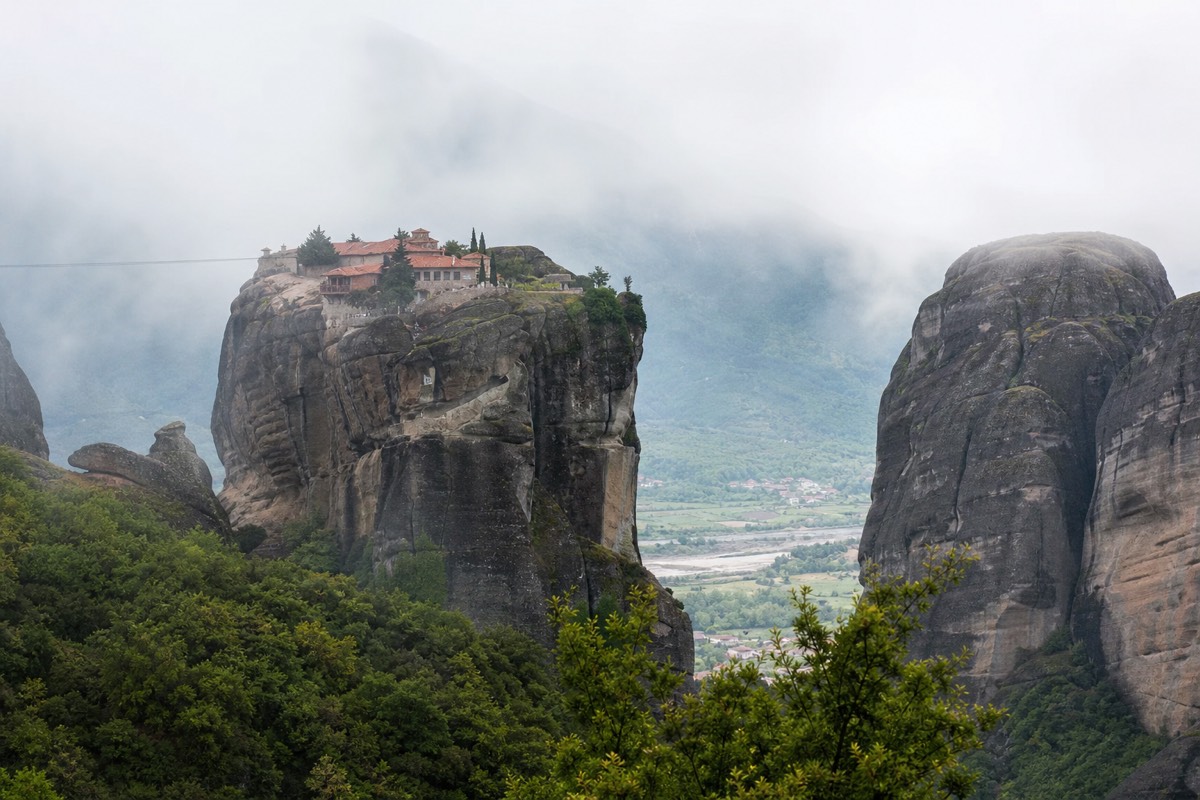
Everyone photographs the islands, but the history that made Greece famous is on the mainland. Delphi hangs on the side of Mount Parnassus, Olympia holds the original Olympic stadium, Mycenae guards the Bronze Age, and the monasteries of Meteora sit impossibly on top of sheer rock towers. They do not line up on a map, which is the whole reason the classical circuit exists as a single guided loop out of Athens.
What is the classical Greece mainland circuit?
The classical circuit is a mainland loop from Athens that links Mycenae and Epidaurus in the Peloponnese, Olympia, the oracle at Delphi on Mount Parnassus, and the monasteries of Meteora in Thessaly. A guided coach runs it as a set five-day route, with one guide and driver, pre-cleared tickets and hotels booked along the way.
Think of it as a figure drawn across central Greece. From Athens the route swings southwest into the Peloponnese for the Bronze Age fortresses and theatres, climbs to Olympia in the west, crosses the great bridge over the Gulf of Corinth to reach Delphi in the mountains, then runs north to the plain of Thessaly where Meteora rises. It ends back in Athens. Doing that by yourself means long drives on unfamiliar mountain roads and a fresh ticket queue at every gate, which is exactly why the guided version is the standard way to travel it.
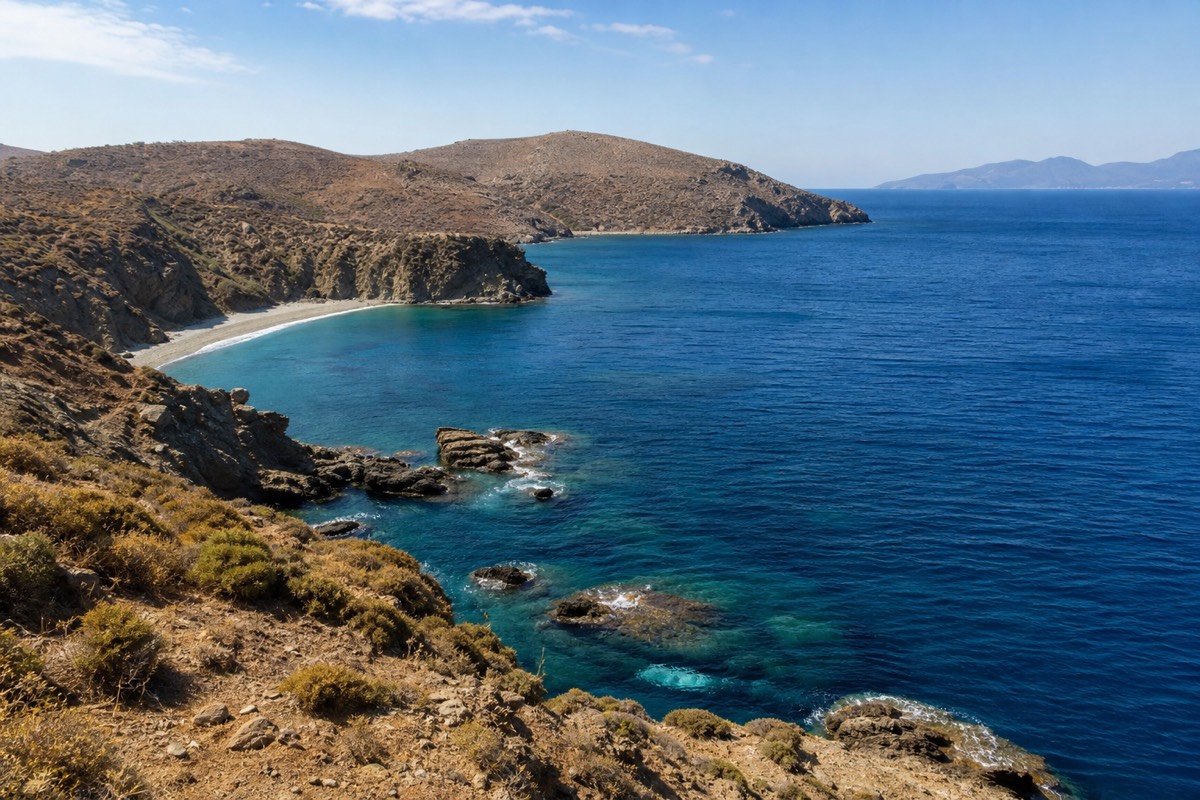
The core package, a five-day Classical Greece tour through Nafplion, Olympia, Delphi and Meteora, threads all of it together with a single guide and driver and pre-cleared entrance passes that skip the public lines. Unlike every other guide on this site, this one leaves the islands behind entirely. If you want the islands added to the history, our guide to what a Greece package includes shows how a mainland leg bolts onto an island trip. The site-by-site table below is the map of the whole circuit.
| Site | Region | What you see | Why it matters |
|---|---|---|---|
| Acropolis, Athens | Attica | Parthenon, Erechtheion, Acropolis Museum | The symbol of Classical Athens |
| Cape Sounio | Attica coast | Temple of Poseidon at sunset | Clifftop marble over the Aegean |
| Corinth Canal | Isthmus | The sheer engineered cut | Gateway to the Peloponnese |
| Epidaurus | Peloponnese | The ancient theatre and Asklepios sanctuary | Perfect classical acoustics |
| Nafplio | Peloponnese | Venetian harbour town, Bourtzi fortress | Greece's first modern capital |
| Mycenae | Peloponnese | Lion Gate, Tomb of Agamemnon | Heart of the Bronze Age world |
| Olympia | Western Peloponnese | Original stadium, Temple of Zeus, museum | Birthplace of the Olympic Games |
| Delphi | Central Greece | Oracle sanctuary, theatre, the Charioteer | The navel of the ancient world |
| Meteora | Thessaly | Monasteries on rock pillars, Byzantine frescoes | A UNESCO clifftop wonder |
| Thermopylae | Central Greece | The Leonidas monument | Site of the 480 BCE stand |
What order does the classical circuit follow?
The five-day loop runs Athens and Cape Sounio, then the Peloponnese for Epidaurus, Nafplio and Mycenae, on to Olympia, across to Delphi, up to Meteora, and back to Athens via Thermopylae. Each night is in a different base town, so the coach is always moving forward and you never backtrack.
The sequence is built to flow in one direction rather than double back. Day one eases you in along the Saronic Gulf coast to the Temple of Poseidon at Cape Sounio, timed for sunset. Day two is the Peloponnese in depth: the Corinth Canal, the acoustics of the theatre at Epidaurus, a photo stop in the harbour town of Nafplio, and the Bronze Age gates of Mycenae, ending at Olympia. Day three explores Olympia in the morning, then crosses the Rio-Antirion bridge to reach Delphi. Day four takes in Delphi and drives north to Kalambaka at the foot of Meteora. Day five climbs to the monasteries and returns to Athens, pausing at Thermopylae.
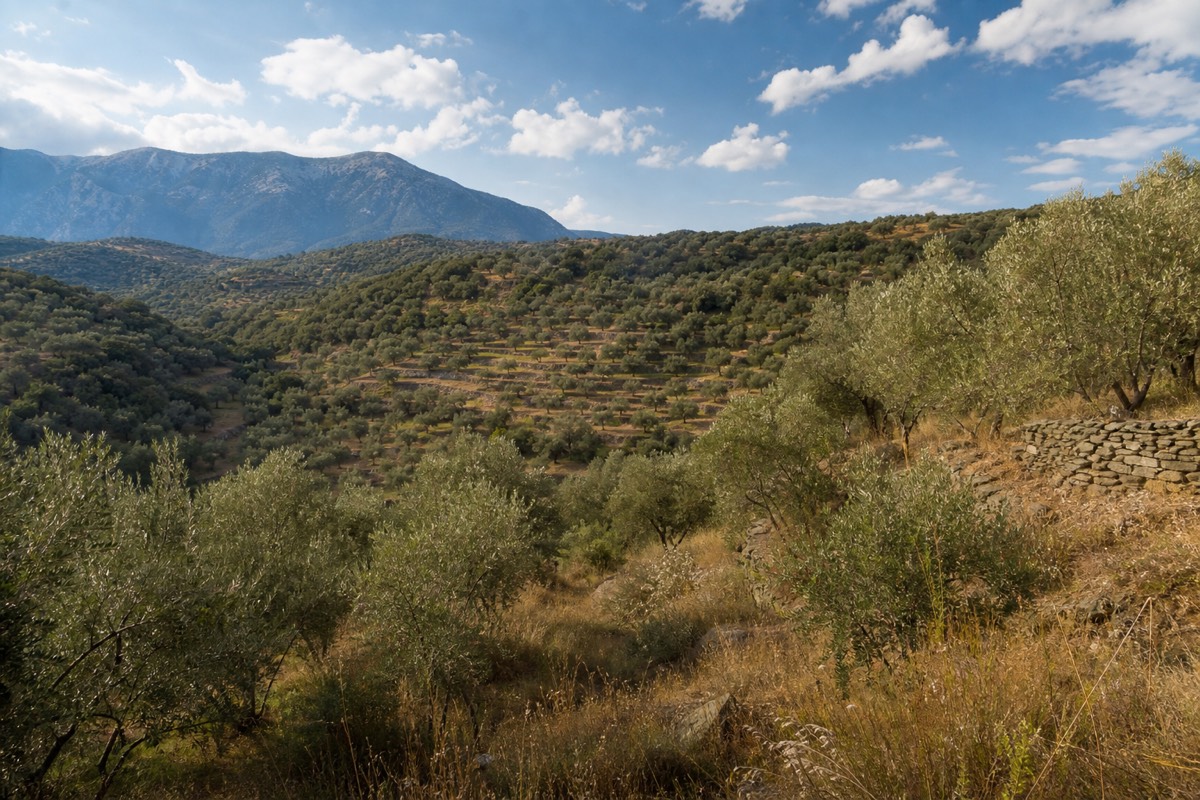
That forward-only shape is a big part of why the guided coach beats a self-drive: the logistics of moving hotels every night are handled for you. For how the mainland fits into a longer trip that also reaches the islands, see our guide to how many days you need in Greece.
The route also builds in the softer stops that keep a heavy history trip from becoming a march. Cape Sounio on day one is a gentle start, a clifftop temple over the sea rather than a dense archaeological site, and the sunset there sets the tone. Nafplio, the pretty Venetian harbour town below Mycenae, served as Greece's first capital after independence, and its waterfront and the little Bourtzi island fortress make the best lunch stop of the loop. Each base town, Olympia, Delphi and Kalambaka, is small enough to walk in the evening, so the days end on a quiet square rather than a motorway hotel.
| Day | Route | Highlights | Overnight |
|---|---|---|---|
| 1 | Athens to Cape Sounio and back | Temple of Poseidon at sunset | Athens |
| 2 | Corinth, Epidaurus, Nafplio, Mycenae | Theatre acoustics, Lion Gate, Tomb of Agamemnon | Olympia |
| 3 | Olympia, then across to Delphi | Ancient stadium, Rio-Antirion bridge | Delphi |
| 4 | Delphi to Kalambaka | Oracle sanctuary, the bronze Charioteer | Kalambaka |
| 5 | Meteora, back to Athens | Clifftop monasteries, Thermopylae | Athens |
What will you see at Delphi, Olympia, Mycenae and Meteora?
Delphi gives you the oracle sanctuary and the bronze Charioteer; Olympia the original Olympic stadium and Temple of Zeus; Mycenae the Lion Gate and the beehive Tomb of Agamemnon; Meteora the monasteries and their Byzantine frescoes. Epidaurus adds a theatre with acoustics so precise a whisper carries to the top row.
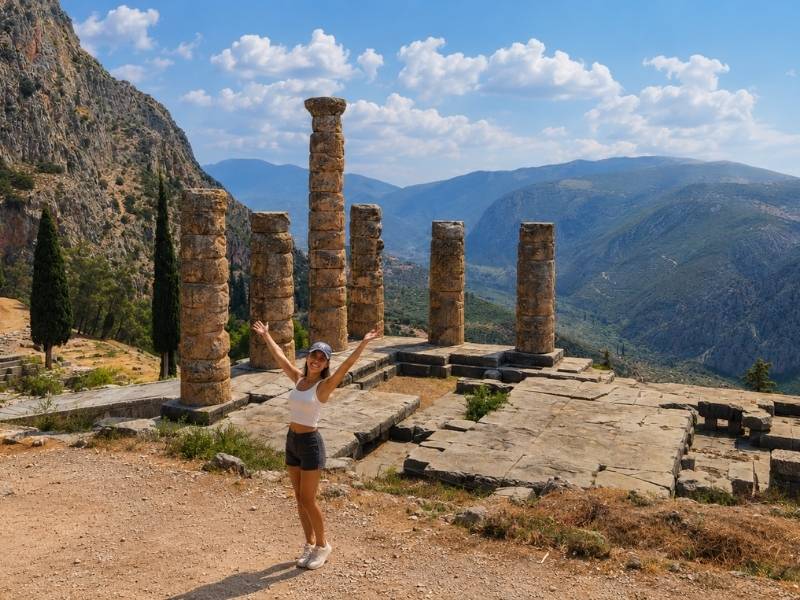
These are the moments the circuit is built around. At Delphi you climb the Sacred Way past treasuries to the Temple of Apollo, where the oracle spoke, then the theatre and stadium above it, and the museum holds the famous bronze Charioteer, one of the finest surviving classical statues. Olympia is where the Games began in 776 BCE, and you can still stand in the original stone stadium and among the toppled column drums of the Temple of Zeus. Mycenae takes you back further, through the Lion Gate that Agamemnon's people passed under and into the great beehive tomb known as the Treasury of Atreus.
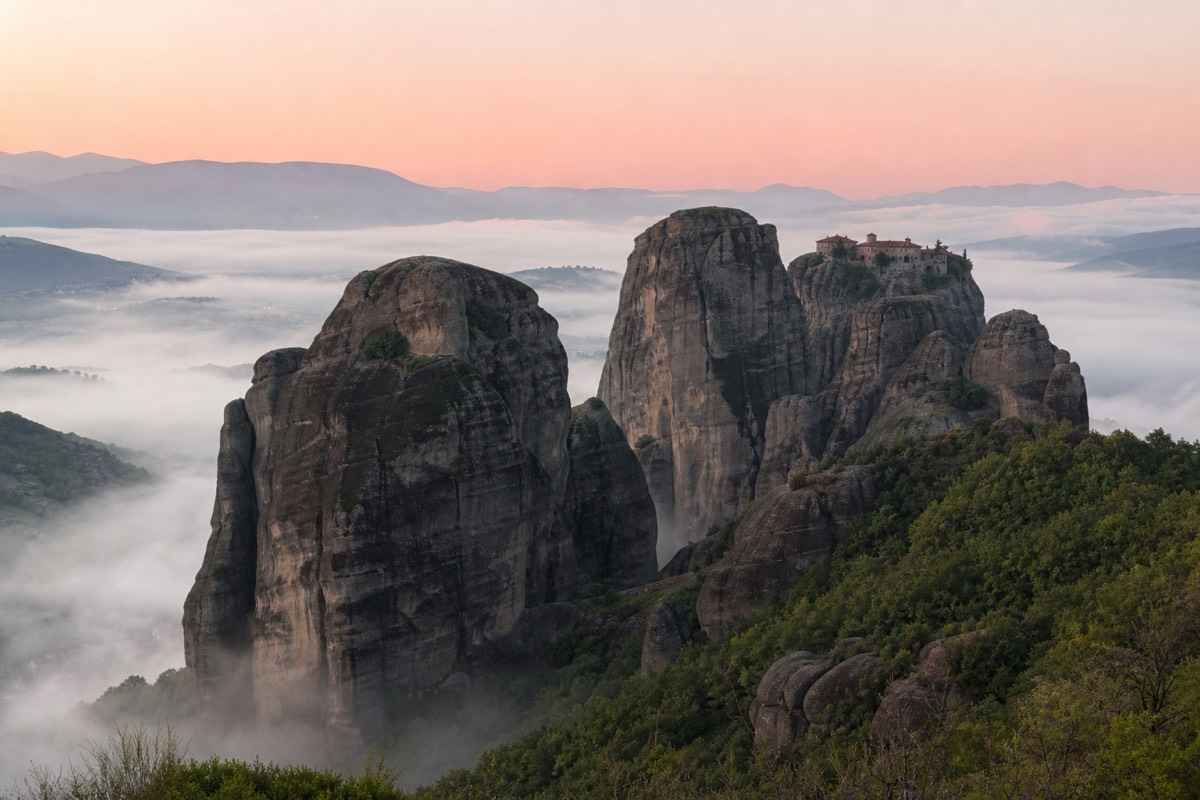
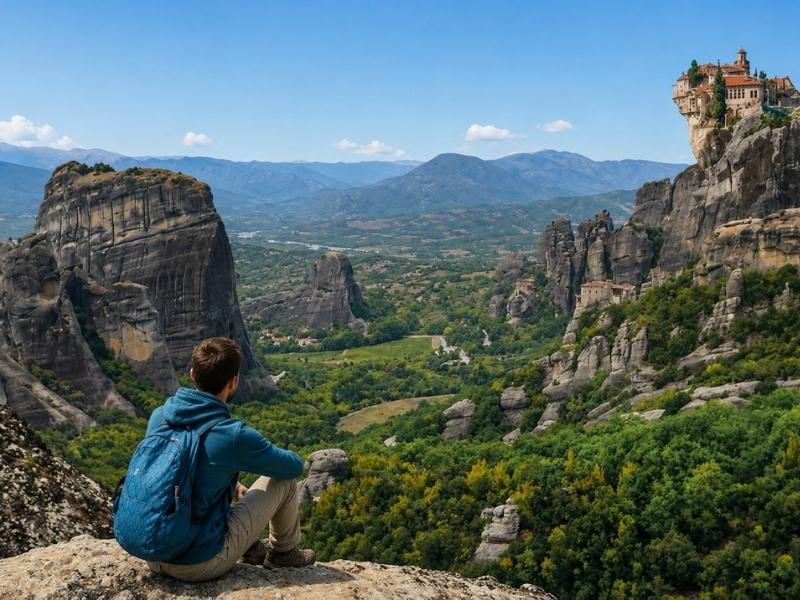
Meteora is the finale and the outlier: not a ruin but a set of living monasteries perched on top of towering sandstone pillars, their interiors lined with centuries-old Byzantine frescoes and gold-leaf icons. The theatre at Epidaurus is the sleeper hit, where guides demonstrate acoustics so clean that a coin dropped on the central stage is heard in the highest tier. The UNESCO World Heritage listings for Delphi, Olympia and Meteora set out the history behind each in detail.
| Site | Signature sight | Do not miss |
|---|---|---|
| Delphi | Temple of Apollo and the oracle | The bronze Charioteer in the museum |
| Olympia | The original Olympic stadium | Temple of Zeus, the archaeological museum |
| Mycenae | The Lion Gate | Tomb of Agamemnon, the beehive tomb |
| Epidaurus | The ancient theatre | Test the acoustics from the top row |
| Meteora | Monasteries on the rock towers | Byzantine frescoes and icons inside |
How many days do you need for classical Greece?
Five days covers the core mainland loop, eight days adds a full Athens and Acropolis day plus a Saronic islands cruise, and twelve days extends into Northern Greece and finishes on Santorini. Choose by how much you want in one trip: pure mainland history, or history plus a taste of the islands.
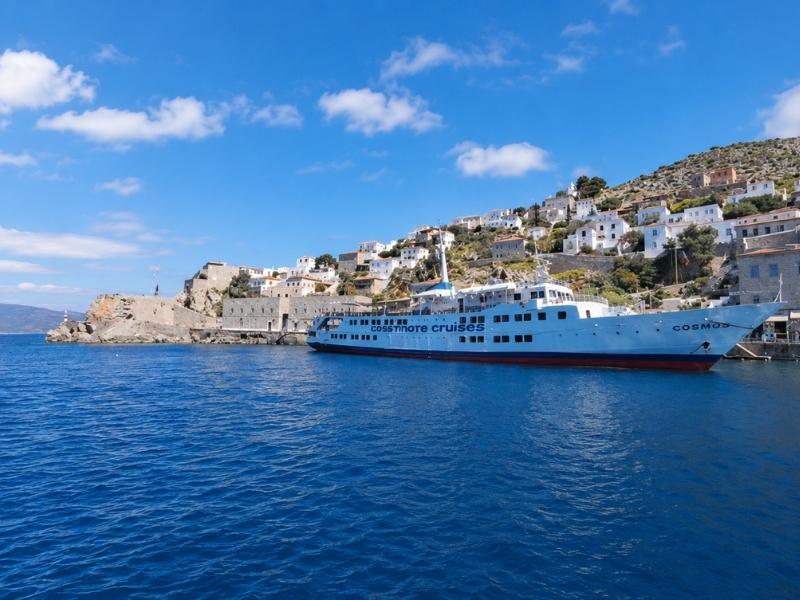
The circuit scales cleanly. The five-day tour is the focused history trip, all mainland, no islands, and it is the fastest way to stand at Delphi, Olympia and Meteora in one go. The eight-day version widens it: it keeps the mainland ancient sites but devotes a full day to Athens and the Acropolis, and adds a relaxing day cruise to the Saronic islands of Hydra, Poros and Aegina, which breaks up the archaeology with sea air. The twelve-day grand tour goes furthest, carrying on into Macedonia before ending with two nights on Santorini, so you finish a heavy history trip on a caldera terrace.
The options below are real packages with per-person starting prices that shift by season. For where the history sits inside a broader route, our Greek island-hopping guide shows how a mainland leg can bolt onto the islands.
| Length | Scope | Adds | Example package |
|---|---|---|---|
| 5 days | Core mainland loop | Mycenae, Olympia, Delphi, Meteora | Classical Greece tour, from $1087 |
| 8 days | Mainland plus Athens and a cruise | Full Acropolis day, Saronic islands | 8-day Ancient Greece tour, from $2047 |
| 12 days | Mainland, Northern Greece, one island | Thessaloniki, Vergina, Pella, Santorini | Grand tour, from $3874 |
Can you do the mainland without a rental car?
Yes, and the guided coach is the better way for most travellers. It removes the long mountain drives, the parking hunt and the ticket queues, keeps one guide and driver for the whole loop, and adds the historical context self-drivers miss. A rental gives you freedom, but you trade it for logistics, navigation and the modesty and access rules at Meteora.
Self-driving the classical circuit is possible, but it is a lot of hours behind the wheel on winding roads, with a new hotel and a new set of gates each day. The guided coach hands all of that off: the same driver and licensed guide travel the whole route, entrance tickets are pre-cleared so you walk past the public lines, and the hotels along the way are already booked. The guide is the real difference, filling Delphi and Mycenae with the stories and history that a field of stones cannot tell on its own. Some departures even open up other languages, with a French-speaking guide on certain weekly runs.
A couple of practicalities are worth knowing before you go. The coach targets fixed times, so on the five-day loop the final drop lands at Athens airport in the evening, which means booking an onward flight late that night or, more comfortably, adding a night in Athens rather than cutting it fine. The overnight accommodation tax that hotels collect on the spot applies here as much as on the islands, from around one and a half to fifteen euros per room per night, so keep a little cash to hand. Some weekly departures also open up other languages, with a French-speaking guide on certain runs, which is useful for a mixed-language couple or group.
There are genuine trade-offs, so the table lays them out plainly. If you value total freedom over efficiency, a car makes sense, but for a first classical trip the coach usually wins. Booking the whole loop as one confirmed itinerary through Greece Tour Packages also solves the nightly hotel changes that a self-drive leaves you managing. One rule holds either way: the Meteora monasteries enforce a dress code, with long trousers for men and a knee-length skirt with covered shoulders for women, so pack a wrap.
| Factor | Guided coach tour | Self-drive |
|---|---|---|
| Driving | Handled, no navigation | Long days on mountain roads |
| Entrance tickets | Pre-cleared, skips the queue | Buy at each gate, wait in line |
| Historical context | Licensed guide throughout | Self-researched or an audio app |
| Hotels | Booked along the route | Your own to arrange each night |
| Freedom of pace | Fixed group timetable | Total, stop where you like |
What about Northern Greece and the wider classical route?
The twelve-day grand tour carries the mainland loop north into Macedonia, adding Thessaloniki, the royal Macedonian tombs at Vergina, Pella the birthplace of Alexander the Great, and Dion at the foot of Mount Olympus, before finishing on Santorini. It is the deepest ancient-sites trip on offer, and the only one that pairs the mainland with an island.
Beyond the classic Delphi-to-Meteora loop lies a whole second layer of history that few first-timers reach. Thessaloniki, Greece's vibrant second city, brings the Roman and Byzantine chapters into view, with the waterfront White Tower, the Rotunda and its early-Christian mosaics, and the Arch of Galerius. From there the route explores the kingdom of Macedon: the royal tombs at Vergina, ancient Aigai and its Hellenistic wall paintings, Pella where Alexander the Great was born, and Dion, the sacred city under Mount Olympus. Edessa adds its waterfalls and Veria the spot where Saint Paul preached.
The transition itself is part of the appeal. After more than a week of ruins and mountain roads, the grand tour drives back to Athens, then crosses to Santorini by sea, a long conventional ferry of around seven hours or a faster vessel if you upgrade, so the mainland history gives way to the Aegean by degrees rather than a jarring switch. Two nights on Santorini at the end are deliberately unstructured, which is the right note to close on after a route this dense.
The grand tour then turns south, crosses to the Cyclades and ends with time on Santorini, so a demanding history trip closes on a sunset over the caldera. It is the most complete way to see ancient Greece, and it connects naturally to the islands covered in our guide to the best Greek islands to visit. The national marketing site Discover Greece has strong background on the Macedonian sites if you want to read ahead.
| Northern site | What it is | Highlight |
|---|---|---|
| Thessaloniki | Greece's second city | White Tower, Rotunda mosaics, Arch of Galerius |
| Vergina (Aigai) | First Macedonian capital | The royal tombs and their wall paintings |
| Pella | Ancient Macedonian capital | Birthplace of Alexander the Great |
| Dion | Sacred city under Mount Olympus | Sanctuary ruins and the site museum |
| Edessa | Town of cascading water | The waterfalls and old quarter |
When is the best time to visit the mainland ancient sites?
Spring and autumn, roughly April to June and September to October, are best for the mainland. The ancient sites are largely unshaded and Meteora involves steep climbs, so summer heat is punishing, while shoulder-season weeks bring cooler walking, thinner crowds and clearer mountain air than the summer haze allows.
The mainland has a stronger case than the islands for avoiding high summer. Delphi, Olympia and the Acropolis are open-air stone with almost no shade, so a July afternoon means reflected heat and glare with nowhere to retreat, and Meteora's monastery steps are a real climb in any temperature. Spring brings wildflowers across the archaeological expanses and comfortable days for walking the sites, while September and October hold warm, settled weather with the crowds thinning after August. Autumn air also tends to be clearer, which matters for the long views from Delphi and the Meteora clifftops that summer haze can flatten.
The scorecard below is a planning guide. For the full national picture across every season, see our guide to the best time to visit Greece.
| Month window | Heat at the ruins | Crowds | Verdict for the mainland |
|---|---|---|---|
| April to May | Cool and comfortable | Low to moderate | Excellent, wildflowers and clear air |
| June | Warm | Building | Very good before the peak |
| July to August | Hot and unshaded | High | Hard going, start early or wait |
| September | Warm, easing | Moderate | Excellent overall |
| October | Mild | Low | Great for walking and views |