Which Greek island is best for first-timers?
Ask ten travellers which Greek island a first-timer should choose and you will get ten answers, most of them Santorini. The sharper question is which single island gives a newcomer the most of Greece for the least hassle, and there the honest reply is not the one on the postcards.
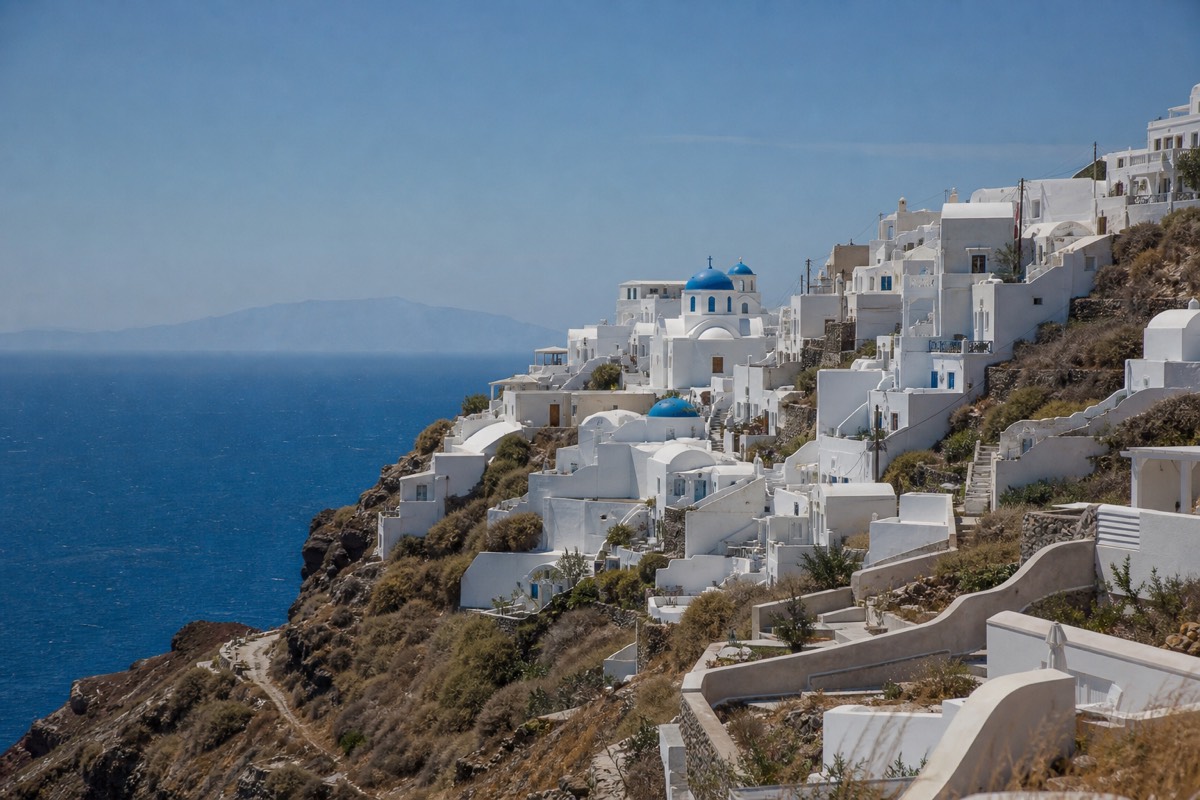
For most first-timers, the easiest single island is Naxos: simple to reach from Athens, big enough to fill three or four days, with real beaches, a working town and prices well below the headline islands, and it stays calmer than Mykonos or Santorini even in August. Still, the island most people picture when they imagine Greece is Santorini, so the honest answer for a first trip is to pair one iconic island with one easy all-rounder rather than agonise over a single choice.
The reason the perfect-island question is so slippery is that the famous islands and the easy islands are rarely the same place. Santorini and Mykonos own the postcards, but they are also the busiest, the priciest, and in Santorini's case the most vertical and stair-heavy. A newcomer who wants a smooth introduction usually does better starting somewhere gentler and saving the showstopper for a two or three night finish.
What Makes A Greek Island Good For A First Trip?
A first-timer island needs three things: an easy connection from Athens so travel days stay short, enough to see and do to fill three or four days, and a mood that matches the trip. Get those three right and the scenery takes care of itself, because almost every Greek island is beautiful in its own way.
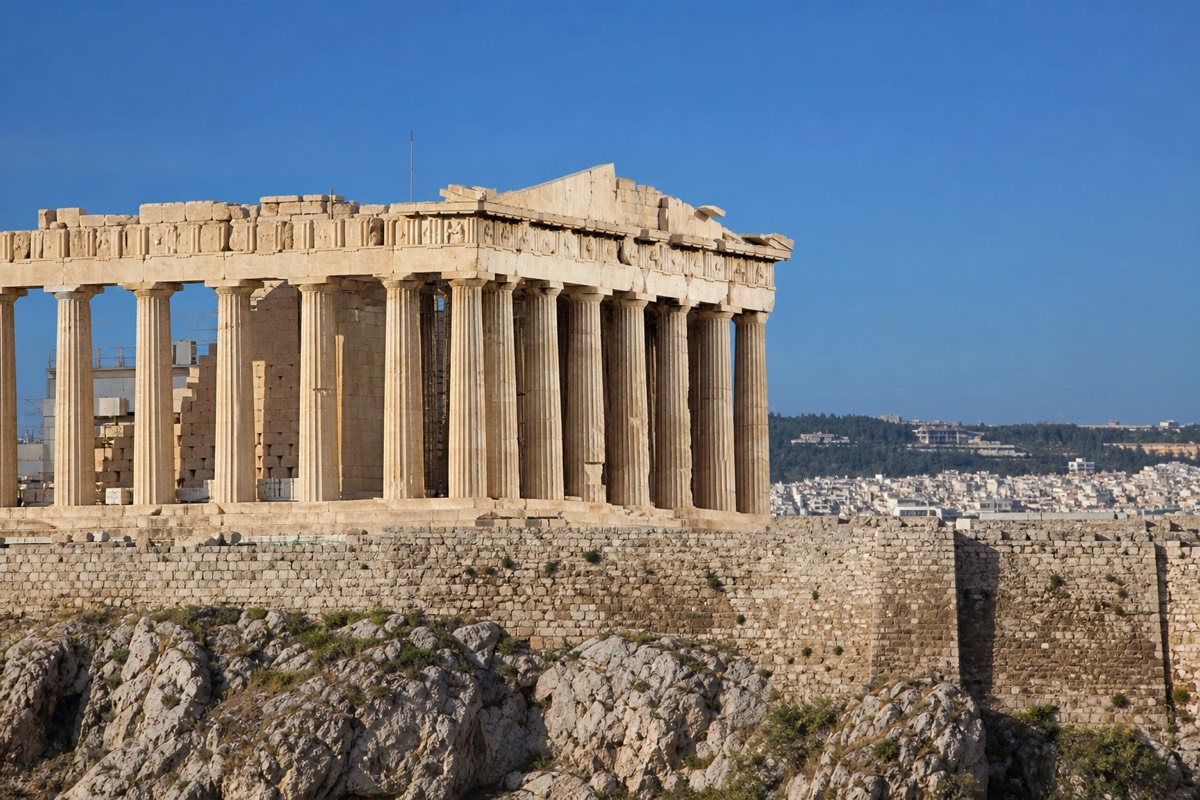
Those tests matter more than raw beauty on a first visit. An island that needs two ferries and a taxi loses you a day at each end. A tiny island with one beach runs thin over four days. A hard-partying island is a poor fit for a couple who came for quiet, and a sleepy one disappoints friends who came to dance. Rank what you actually want before you rank the islands, and the shortlist gets much shorter.
By those tests the Cyclades win for newcomers. They sit close together on one ferry corridor out of Athens, and they run the full range from the loudest islands to genuinely peaceful ones, so you can combine a famous island with a calm one without ever leaving a single ferry network. The tourism catalogue at Discover Greece lists dozens of islands across six island groups, but a first trip almost always lands inside this one cluster. Our fuller breakdown of which Greek islands to visit maps how the groups differ and why the Cyclades are the safe first choice.
Which Greek Island Is Easiest For First-Timers?
Naxos is the easiest all-rounder. It has frequent fast ferries from Athens, the largest and most varied interior in the Cyclades, long sandy beaches that shelve gently into the sea, a lived-in main town rather than a resort strip, and prices noticeably lower than Santorini or Mykonos, all while staying calm even at the height of summer.
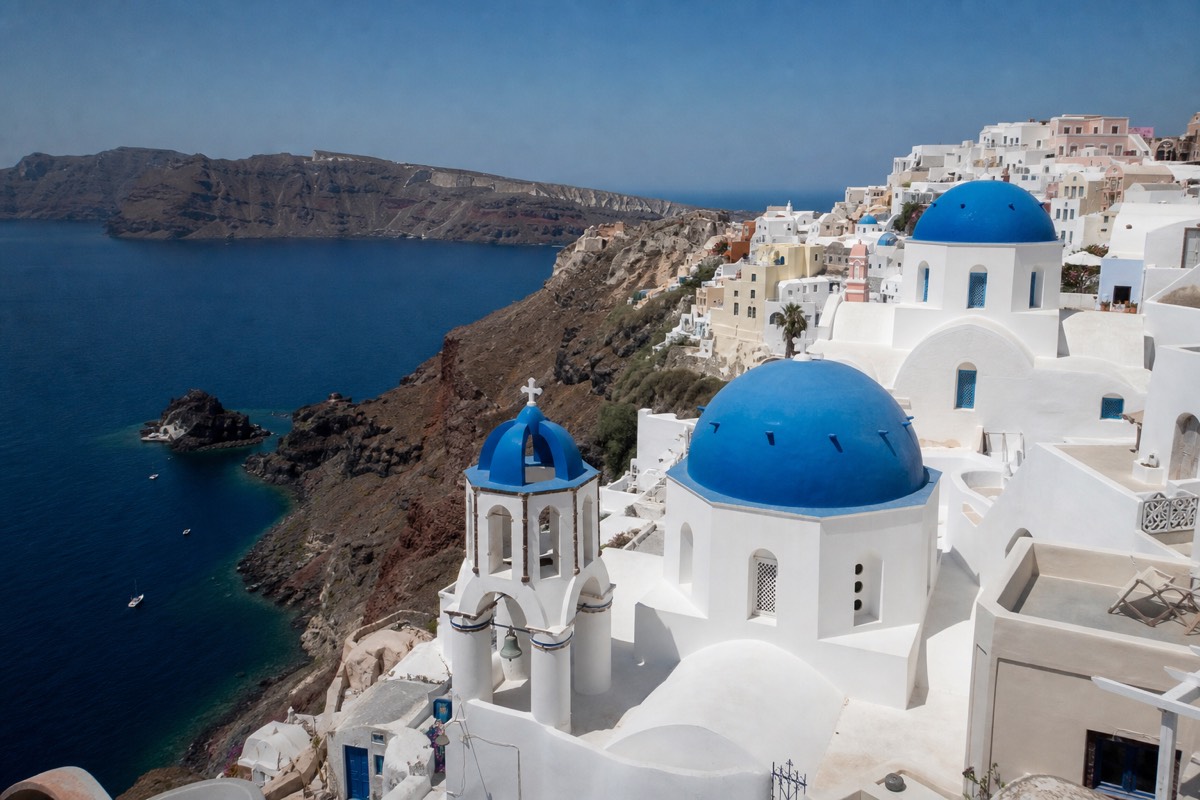
What makes Naxos forgiving is that it does not demand a plan. The town beach at Agios Prokopios is a short bus ride from the port, the marble Portara gate frames the sunset a five-minute walk from where the ferry drops you, and the mountain villages inland give you somewhere to go on a day the beach feels too easy. Nothing is far, nothing is steep in the way Santorini is, and the island absorbs a crowd without feeling like one.
Paros is the close second and the marginally better base if you intend to keep moving, because it sits more central on the ferry map and connects onward to more islands. Its harbour town of Naousa is one of the prettiest working ports in the Cyclades, all fishing boats and whitewashed lanes that fill with quiet restaurants after dark. Between the two, families and slow travellers lean Naxos, hoppers lean Paros, and our guide to planning an island-hopping route across the Cyclades shows how both slot into a working sequence.
The Best Greek Islands For First-Timers, Compared
Naxos and Paros are the quiet all-rounders that suit almost any first trip; Santorini delivers the caldera view everyone pictures; Mykonos brings the beaches and nightlife; and Crete is really a small country that rewards a longer, separate holiday rather than a rushed first stop squeezed into a week.
The shortlist below is where newcomers land most often, ordered less by fame than by how forgiving each island is for a first visit.
| Island | Why it works for a first trip | Watch-out |
|---|---|---|
| Naxos | Easy ferry from Athens, long sandy beaches, a real town, strong value, calm even in peak season | Low-key nightlife, fewer luxury hotels |
| Paros | Central ferry hub, the pretty Naousa harbour, walkable villages, well connected onward | Gets busy in August |
| Santorini | The caldera views everyone comes for, plenty of hotels, easy to reach by ferry or flight | Crowded and pricey, a lot of stairs |
| Mykonos | The best beaches and nightlife in the Cyclades, polished and quick to reach | Expensive, and too lively for quieter travellers |
| Crete | A whole country in one island: ancient history plus beaches and mountains | Too big to do quickly, better saved for a longer trip |
Read the table as a fit map rather than a ranking. Naxos and Paros are the quiet all-rounders, Santorini is the view you came for, Mykonos brings the beach-and-bar energy, and Crete is a small country you should keep for a longer visit. If scenery is what you are chasing above all, the rundown of the prettiest Greek island is the natural next read before you settle on a base.
Is Santorini Or Mykonos Better For A First Visit?
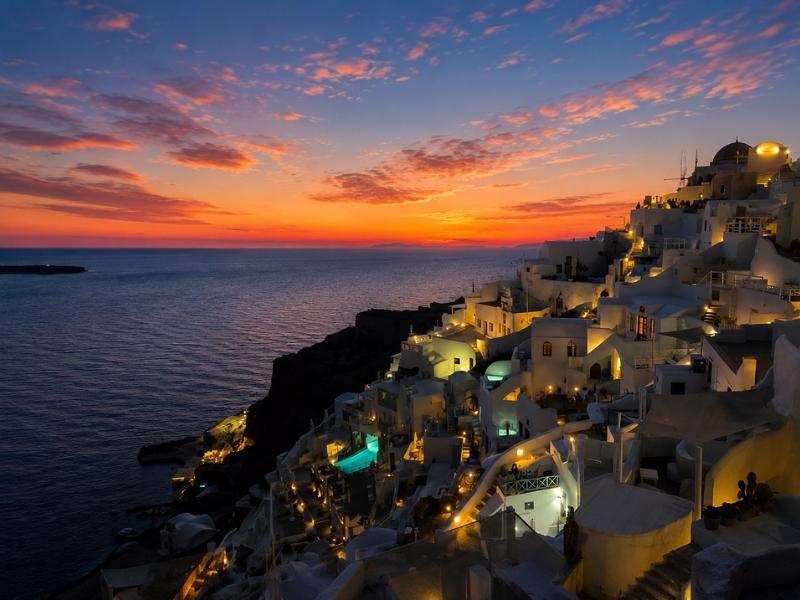
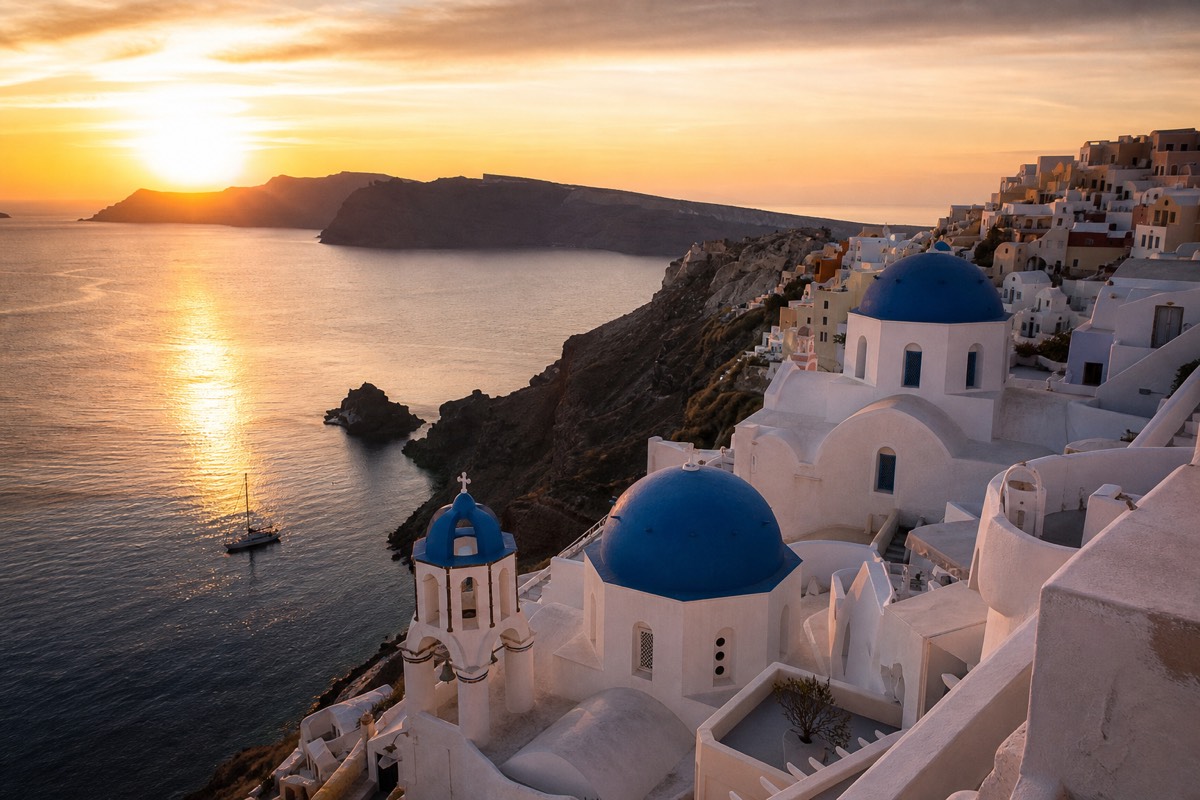
For a first trip most people prefer Santorini, because the caldera and the Oia sunset are the single most recognisably Greek sight in the country. Mykonos wins if beaches and nightlife lead your list. The tidy answer is to visit both, one ferry apart, and collect the drama and the beach energy on one trip.
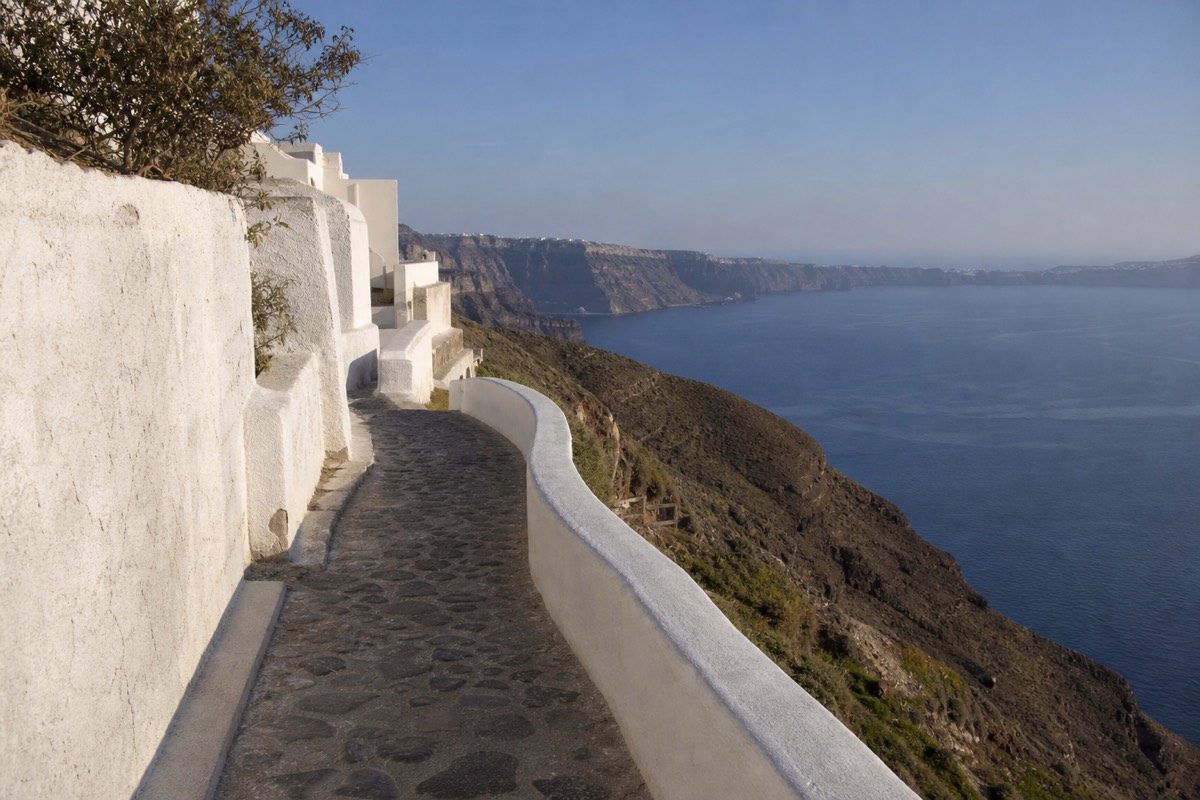
These are the two islands newcomers argue over, so it helps to line them up on the things that actually decide a first trip rather than on fame alone.
| What you value | Santorini | Mykonos |
|---|---|---|
| Iconic views | Unmatched: the caldera and Oia | Pretty, but no signature vista |
| Beaches | Dramatic volcanic sand, rockier swimming | Long, sandy, organised beach bays |
| Nightlife | Relaxed bars and sunset spots | Among the liveliest in Greece |
| Easy on foot | Steep, stair-heavy in Oia and Fira | Flatter town, easier to wander |
| Cost | High, especially caldera-view hotels | High, especially in peak season |
| Best for | Couples, photographers, first-time views | Beach days, groups, going out |
Neither is a wrong choice, and the disagreement usually comes down to whether you want a view or a beach club. If you can only pick one for a short first trip, most newcomers are happier with Santorini, then wish they had added Mykonos. Our head-to-head guide on choosing between Santorini or Mykonos settles the smaller questions, from where to stay to how many nights each deserves.
How Many Islands Should You Combine On A First Trip?
Two islands is the comfortable number for a week once you keep two nights in Athens. One quiet all-rounder plus one iconic finale gives contrast without turning the holiday into a run of ferry days. Add a third island only with nine or ten days, and give the last island two or three nights.
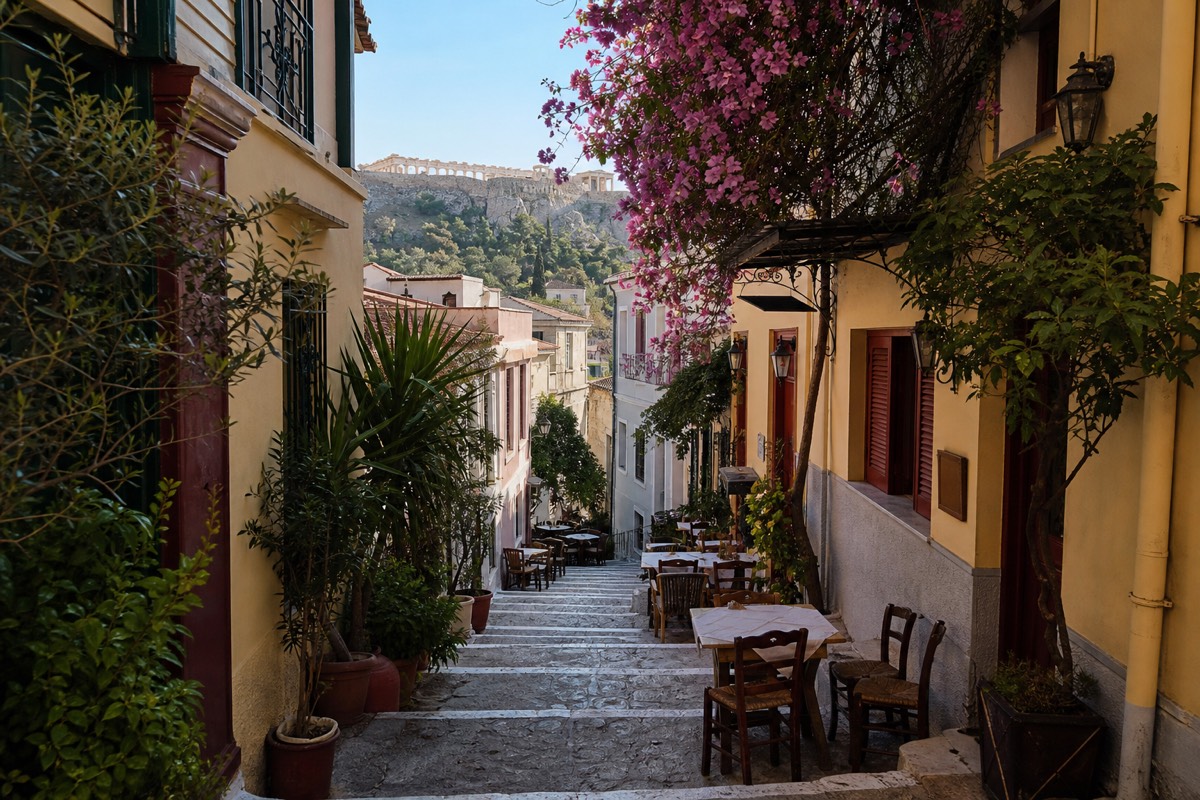
Combining beats a single base for almost everyone. One island alone can start to feel repetitive by day four, while two contrasting islands keep the trip moving and let the route build toward its best view. The trap in the other direction is over-hopping: cram in three islands on a week and you spend half of it on ferries and hotel check-ins. The nights split below works as a planning allowance across trip lengths.
| Trip length | Athens | Calm all-rounder | Iconic finale | Extra island |
|---|---|---|---|---|
| 5 to 6 days | 2 nights | None | Santorini, 2 to 3 nights | None |
| 7 days | 2 nights | Naxos or Paros, 2 nights | Santorini, 2 to 3 nights | None |
| 9 days | 2 nights | Naxos and Paros, 2 nights each | Santorini, 2 nights | None |
| 10 to 11 days | 2 to 3 nights | Mykonos plus Paros or Naxos | Santorini, 3 nights | 1 extra Cyclades stop |
| 14 to 15 days | 3 nights | Two or three quieter islands | Santorini, 3 nights | Crete added on |
The nine-day row above is not hypothetical. The nine-day Athens, Paros, Naxos and Santorini route is built on exactly this logic, with two-night stays and the ferries booked in the order that keeps each crossing short. Give the finale island two or three nights, and our blog on how many days in Santorini explains why that is usually the right amount. If you would rather see the full shape of a first week before you book, the seven days in Greece itinerary lays it out day by day. When the planning itself is the part you dread, the multi-day trips at Greece Tour Packages fold the hotels, ferries and transfers into one confirmed booking so the route arrives already solved.
Which Greek Island Suits Couples, Families And Solo Travellers?
Couples on a first trip lean to Santorini for the views or Naxos for calm; families do best on Naxos or Paros, where gentle beaches and a flat town beat Santorini's stairs; and solo travellers or friends who want company gravitate to Mykonos and Paros, both social and easy to move around on foot.
The right first island shifts with who is going, because the same features that make an island romantic can make it hard work with a toddler. Santorini's stairs and clifftop paths are glorious for two and a genuine chore with a stroller. Mykonos rewards a group and can feel loud and expensive to a family. Match the island to the party and the trip gets easier before it even starts.
| Traveller | Best first island | Why it fits | Pair it with |
|---|---|---|---|
| Couples | Santorini | Caldera views, sunsets, romantic hotels | Naxos for a calm first half |
| Families | Naxos | Shallow sandy beaches, flat town, value | Paros, a short ferry away |
| Solo and friends | Paros | Social, central, easy to move around | Mykonos for the nightlife |
| Older or slower travellers | Paros | Fewer stairs than Santorini, gentle pace | Athens for the museums |
Families gain the most from the two-island structure, because it builds beach downtime in between the sightseeing, and our guide to planning a family trip to Greece covers which pairings keep the stairs and ferry days to a minimum. Couples short on time who still want the classic trio can look at the six-day Athens, Mykonos and Santorini itinerary, which packs the headline islands into a tight window with the hotels and ferries already arranged.
How Do You Reach The First-Timer Islands From Athens?
Nearly every first-timer island sits on the fast-ferry corridor out of the Athens port of Piraeus, and Santorini and Mykonos add short domestic flights. As a planning allowance, count on roughly two to five hours by fast ferry depending on the island, and always check a live timetable before you lock in dates, since seasonal schedules change.
Access is a bigger deal than newcomers expect, because a badly chosen island can eat two half-days in transfers. The good news is that the classic Cyclades all connect cleanly to Athens, and the ones with airports let you skip the ferry entirely on the long legs. Treat the figures below as approximate planning windows, not fixed times.
| Island | Fast ferry from Piraeus (approx.) | Flight from Athens | Ease for a first trip |
|---|---|---|---|
| Mykonos | About 2.5 to 3.5 hours | Yes, roughly 40 minutes | Very easy |
| Paros | About 3 to 4 hours | Small airport, limited flights | Easy |
| Naxos | About 3.5 to 4.5 hours | Small airport, limited flights | Easy |
| Santorini | About 5 hours (slower ferries longer) | Yes, roughly 45 minutes | Easy |
| Crete (Heraklion) | About 6 to 9 hours overnight | Yes, roughly 50 minutes | Better by flight |
Book the crossings in an order that keeps each leg short, going one island further out at a time rather than criss-crossing back toward Athens. You can compare live sailings and durations on a timetable such as Ferryhopper, which is the fastest way to sanity-check a route before you commit hotels to it.
When Should A First-Timer Visit The Greek Islands?
Late April to mid-June and September to mid-October are the sweet spots: warm days, a sea still good for swimming, and far fewer crowds than August. July and August are hottest and busiest, while winter thins the ferries and shutters most island hotels, so a first trip is easiest in the shoulder months either side of high summer.
Timing changes a first trip as much as the island does. A newcomer who lands in Santorini in mid-August meets peak crowds, peak prices and a heat that makes the stair climbs punishing, then blames the island. The same person in late May or September gets the identical view with room to breathe and a hotel bill that is easier to look at. The quick season guide below sets the expectations.
| Season | Weather | Crowds | Best for |
|---|---|---|---|
| Late April to mid-June | Mild and pleasant, roughly 18 to 28C | Low to medium | Sightseeing, walking, first-timers |
| Late June to August | Hot and sunny, often above 30C | Very high | Beach days, nightlife |
| September to mid-October | Warm, sea still swimmable | Medium | Beaches plus sightseeing, best overall |
| November to March | Cool and wetter, quiet islands | Very low | Cities and history, limited island services |
The pattern holds every year: shoulder-season travel gives a newcomer the smoothest introduction. For the month-by-month detail, including which islands stay lively latest into autumn, our guide on the best time to visit Greece goes deeper, and the seasonal guidance published by Visit Greece points the same way.
Which Islands Should A First-Timer Skip?
Skip the very remote small islands and the hardest-partying ones on a first trip, not because they are bad but because they are a mismatch. A single daily ferry costs you time you do not have in a week, and a nightlife-first island jars if you came for quiet. Save both for a return visit once you know what you like.
Islands with one daily ferry, scattered across the far Cyclades and the Dodecanese, are lovely and completely wrong for a first week, because a two-night stay can cost you two travel days. Party-first islands such as Ios can be a jarring base for anyone who is not there for the nightlife. Neither belongs on a first trip, and both reward you far more once a return visit lets you build around them on purpose.
The wider point is that avoiding the wrong island is really about fit, not about any island being a poor place. Our honest counterpoint on which islands to skip for your trip works through the mismatches in detail. The rule for a first visit stays simple: pick easy over famous for your base, add one showstopper, keep the ferries short, and travel in the shoulder months.