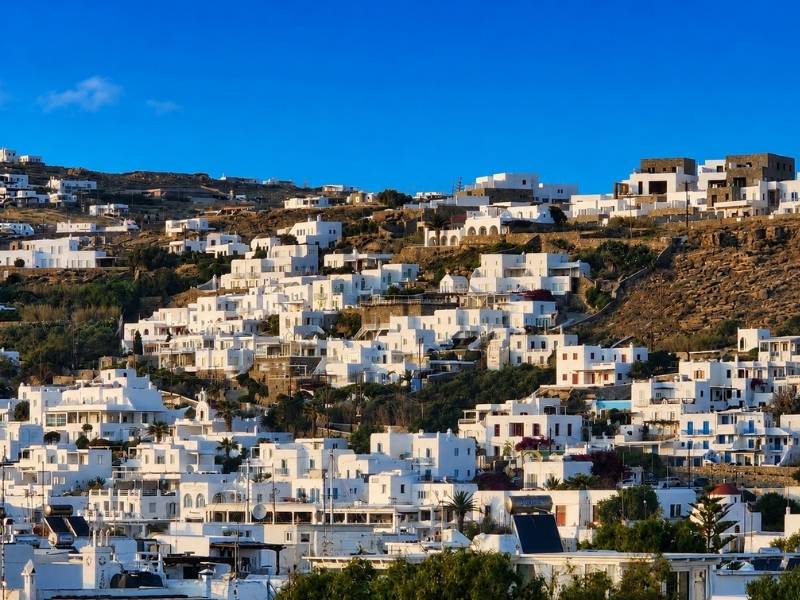
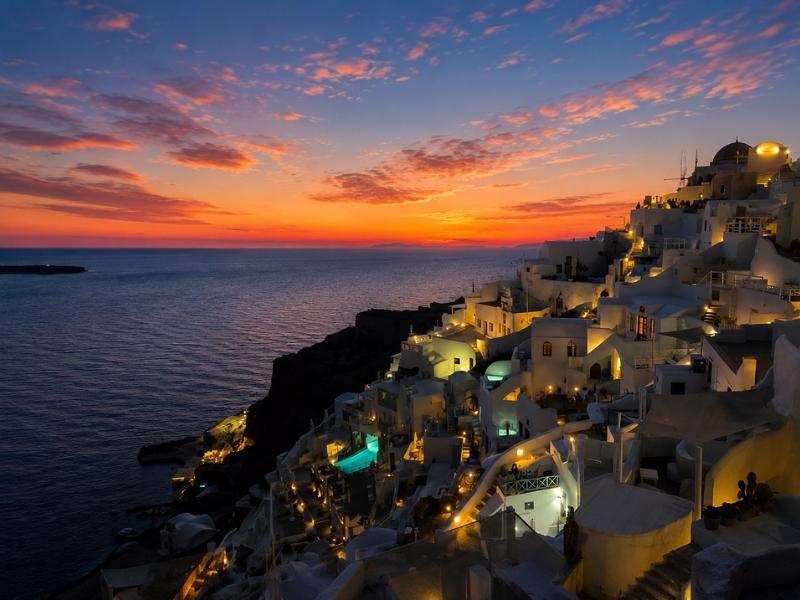
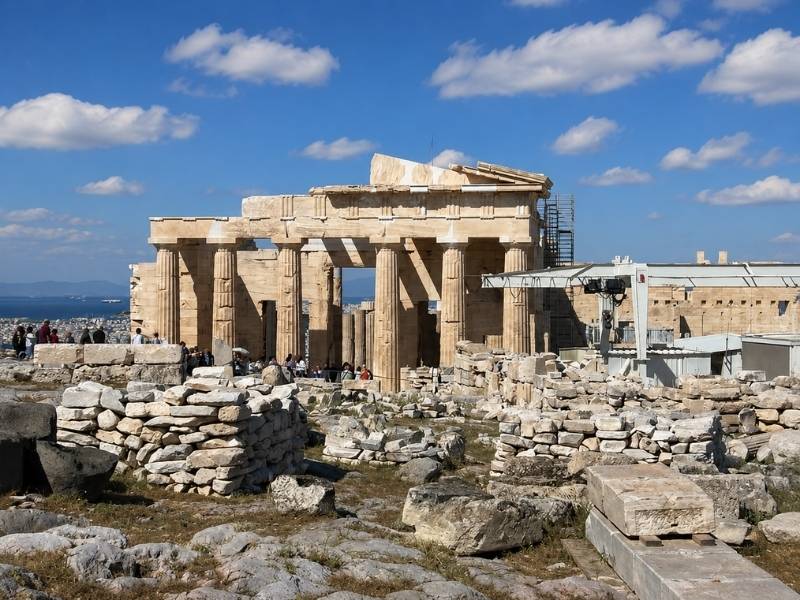
Are there any Greek islands to avoid?
'Islands to avoid' gets typed into search bars by people about to book, quietly worried they will pick the wrong place. Greece makes that hard to do, because almost every island rewards the right traveller. The mismatches are the only thing really worth watching for.
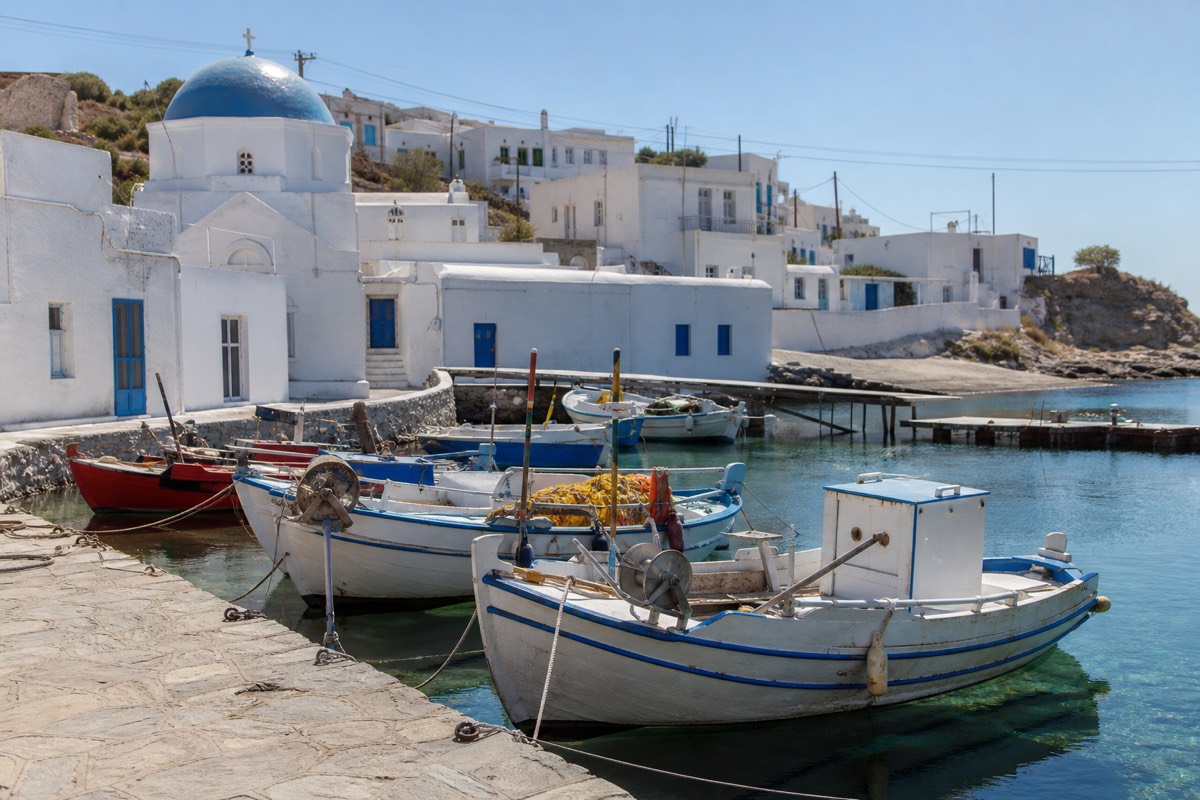
No Greek island is one to avoid outright; every one of them is the right island for some traveller. The real question is which islands to skip for your particular trip: party islands if you want calm, remote small islands if your trip is short, and even the two headline islands at the very peak of August if crowds and prices are what you dread. Put that way, the honest answer is about fit, not about any island being a bad place.
That reframing matters, because most avoid lists online are really taste disputes. Someone who wanted quiet had a loud time on Ios and called the island a mistake; someone who wanted nightlife found a sleepy island dull and did the same. The island did nothing wrong. The trick is matching the island to the trip you actually want.
Are Any Greek Islands Actually Unsafe Or Bad?
No. Greece is a generally safe destination, and there is no Greek island to avoid on safety grounds. Every island that turns up on an avoid list is really a mismatch of expectations, too lively, too remote or too crowded for the specific trip the traveller had in mind, rather than anywhere that is genuinely a bad place to go.
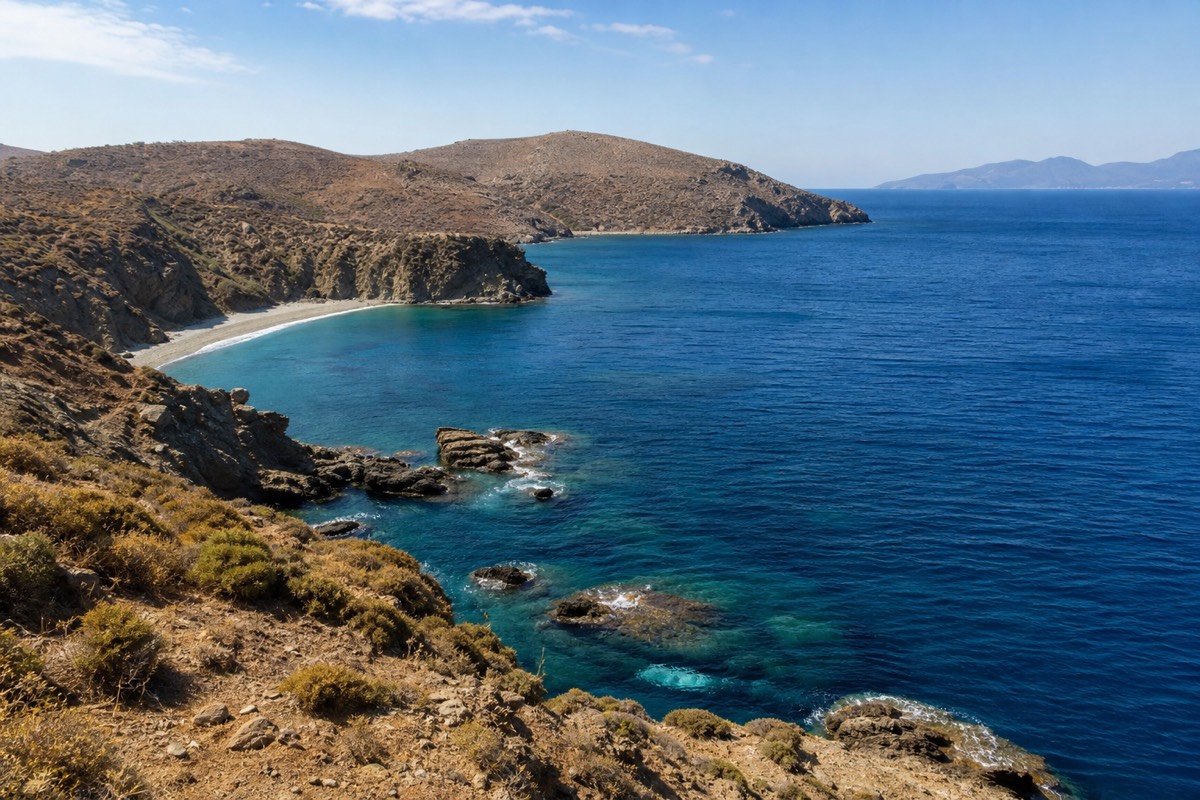
It helps to separate two very different worries. The first is safety, and on that score the islands are reassuringly boring: petty theft in the busiest ports is the usual ceiling, the same as any tourist destination. The second worry, the real one, is disappointment, arriving somewhere that does not match the holiday you pictured. That is the failure this whole question is circling, and it is entirely avoidable.
The one genuinely physical thing to plan around is the wind, not any single island. In July and August a strong, dry north wind called the meltemi can sweep the Aegean for days at a stretch, kicking up whitecaps and occasionally forcing the fast ferries to slow down or wait in port. It is a comfort and scheduling matter rather than a danger, but it is the real reason to leave a buffer day around a tight ferry connection in high summer, especially on the more exposed open crossings.
So read every warning that follows as a fit warning, not a blacklist. An island that would ruin one trip is the highlight of another, and the same island shifts from wrong to perfect depending on your dates, your travel style and how far you are willing to sail. If this is your first visit and you want the safest possible base, our rundown of the best island for a first trip is the place to start.
Which Greek Islands Should You Skip For A Quiet Trip?
If your idea of a Greek island is calm mornings and long dinners, skip the party hubs at their peak. Ios and, after dark, parts of Mykonos run on nightlife, and the Laganas strip on Zakynthos is built for it. These are excellent islands at the thing you do not want, so the fix is a quieter base rather than avoiding Greece.
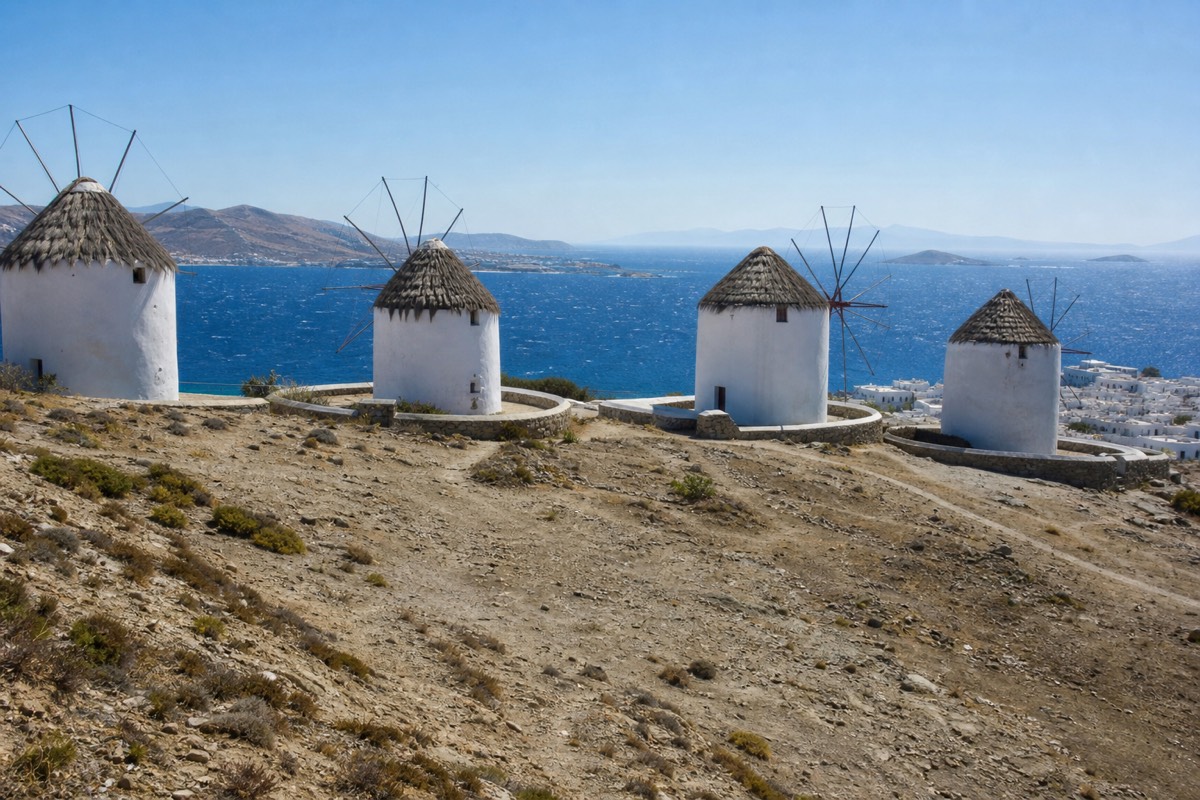
For the same money you can base yourself on Naxos, Paros or Milos and get Cycladic beauty with the volume turned down. The swap is that simple, and it is the single most common fix for a trip that would otherwise disappoint. None of these party islands is a bad choice; they are just aimed at a different holiday, and pointing yourself at the right one from the start saves the regret.
The one nuance is that some islands change character by the hour. Mykonos is a pretty, walkable place by day and a very different island after midnight, so a couple after calm can still enjoy it if they stay away from the club beaches and travel outside August. Booking a loud island for a quiet holiday is one of the classic mistakes travellers make in the Greek islands, and it is the easiest of all to fix: choose the calm base first, and let the nightlife be a night out rather than the whole trip.
Which Islands Are Hard To Reach On A Short Trip?
On a week-long visit, skip the islands that are hard to reach, not because they are unpleasant but because the journey eats the trip. Some smaller, far-flung Cyclades and Dodecanese islands have only one ferry a day, or routes that send you back through Athens, so a two-night stay can quietly cost you two travel days.
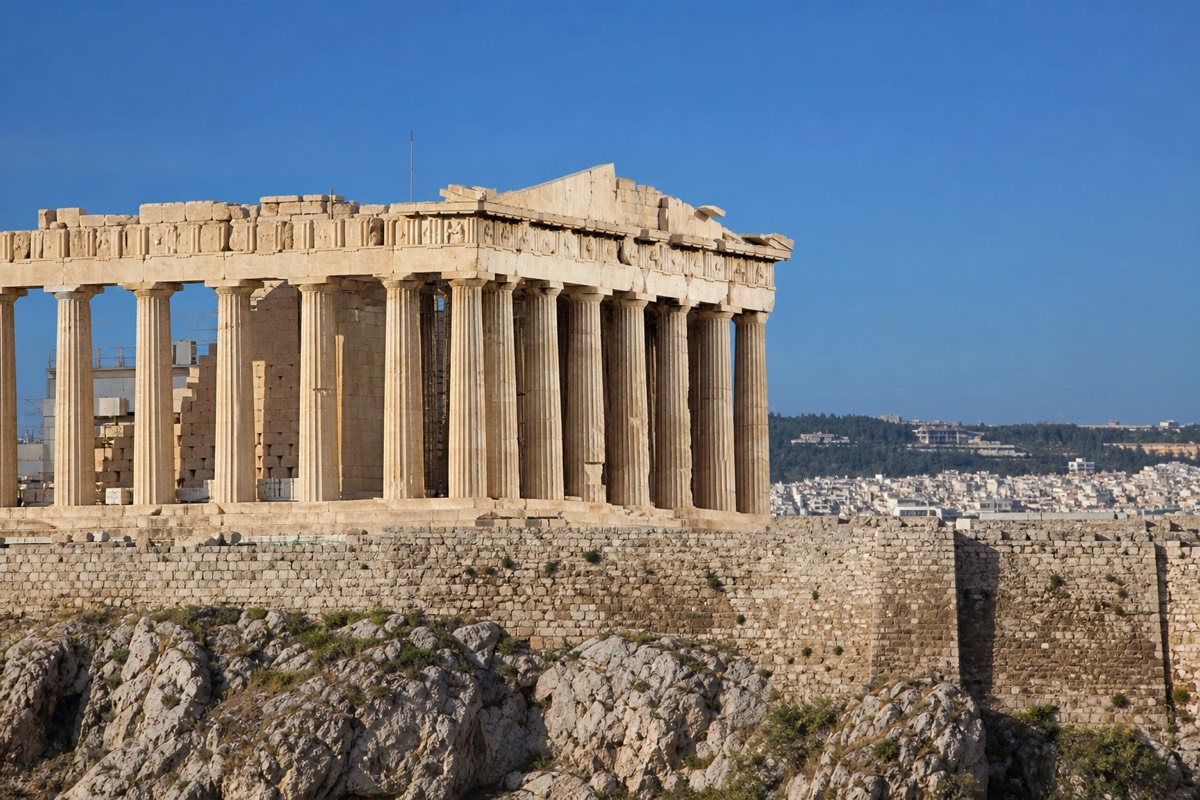
The other classic error is mixing island groups that do not connect. Pairing a Cyclades island with an Ionian one like Corfu means crossing the entire country, usually with no direct ferry at all, so a single bad pairing can burn a whole day in transit. Keep a short trip inside one group, and prefer islands with frequent, fast links back to Athens.
Distance on the map is a poor guide to travel time here, because the ferries run on fixed routes and timetables, not straight lines. Two islands that look like neighbours can have no direct boat between them and connect only back through a hub, so what should be a one-hour hop becomes a half-day with a change of ferry in the middle. Always check the actual sailing rather than the map before you assume two islands make an easy pair.
| Island type | Ease from Athens | Good for a short trip? |
|---|---|---|
| Core Cyclades (Naxos, Paros, Santorini, Mykonos) | Frequent fast ferries, some flights | Yes, ideal |
| Far Cyclades (Folegandros, Amorgos, small isles) | Fewer sailings, longer legs | Only with time to spare |
| Dodecanese (Symi, Kastellorizo) | Long ferry or a connecting flight | Better on a longer trip |
| Ionian (Corfu, Kefalonia) | Separate network, no Cyclades ferry | Yes, but do not mix with Cyclades |
Check any route on a live timetable such as Ferryhopper before you commit hotels, because a crossing that looks short on a map can be a slow overnight in practice. Our island-hopping route guide lays out the corridors that connect cleanly, and if you would rather compare boats against planes on the longer legs, the guide on getting around Greece by ferry or flight weighs both.
When Are Santorini And Mykonos Worth Skipping?
Santorini and Mykonos are worth skipping in only one narrow case: if you can travel only in the first two weeks of August and crowds are your dealbreaker. That is when cruise arrivals and peak-season numbers hit their ceiling, and the walk to the Oia sunset becomes a slow shuffle. Shift the same trip a few weeks and the problem mostly disappears.
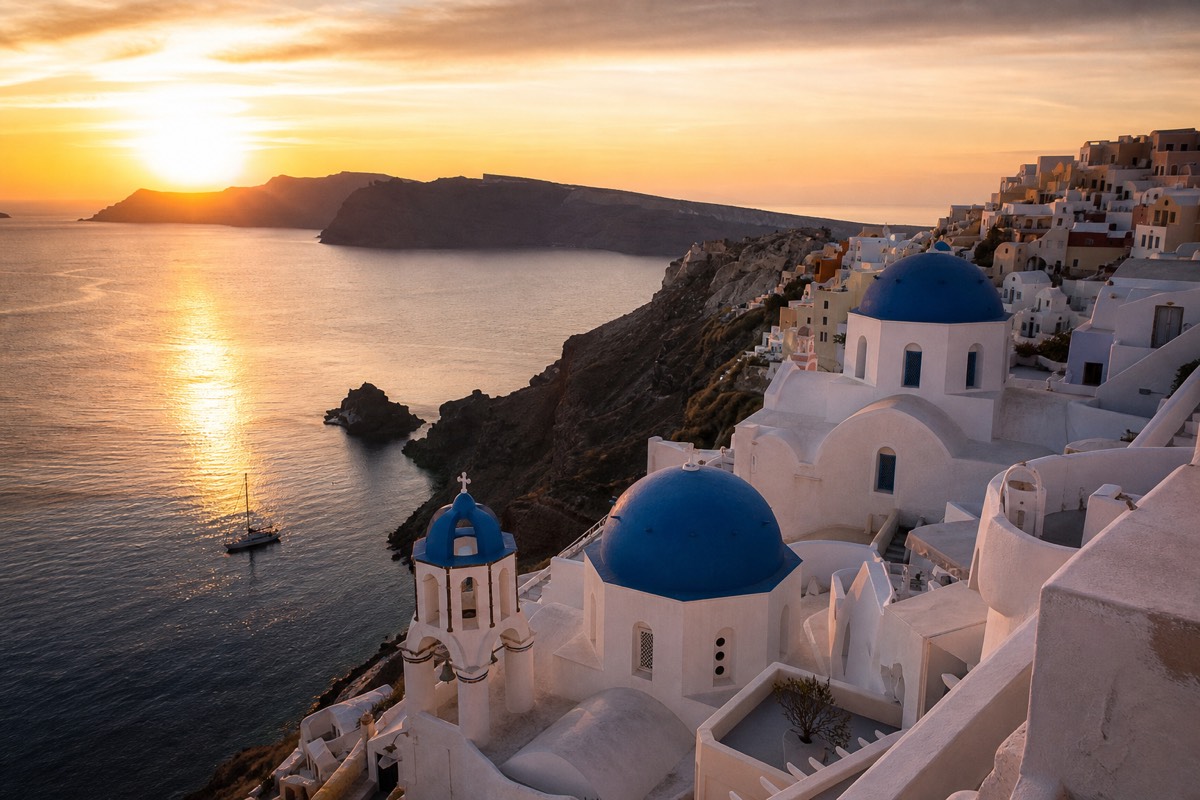
The islands themselves are as beautiful as ever in August; the timing is the problem. Santorini feels the squeeze hardest because a small clifftop town has to absorb thousands of day visitors from the cruise terminal, most of them funnelling toward the same sunset viewpoint. Mykonos runs a close second, with peak prices to match. The table below shows how much the shoulder months change things.
| Island | Peak-August crowding | Shoulder-season fix |
|---|---|---|
| Santorini | Very high, cruise crowds at Oia sunset | May, June or September: calmer, cheaper |
| Mykonos | Very high, peak prices and nightlife | June or late September: same island, room to move |
| Naxos, Paros | Moderate even in August | Fine most of the season |
The lesson is that the crowd complaint is a timing complaint, which is why the question of the worst time to visit Greece matters more than which island you choose. Move your dates before you cross an island off the list, and use our guide to the best time to visit Greece to find the window that keeps the beauty and drops the queues. The seasonal guidance published by Visit Greece points the same way, toward the shoulder months either side of high summer.
Are The Party Islands Worth Avoiding?
Only avoid the party islands if the party is not why you are going. Ios, the Laganas strip on Zakynthos and the late-night side of Mykonos are among the best places in Europe for nightlife, and a poor fit for anyone chasing calm. They are not bad islands; they are simply pointed at a very specific holiday.
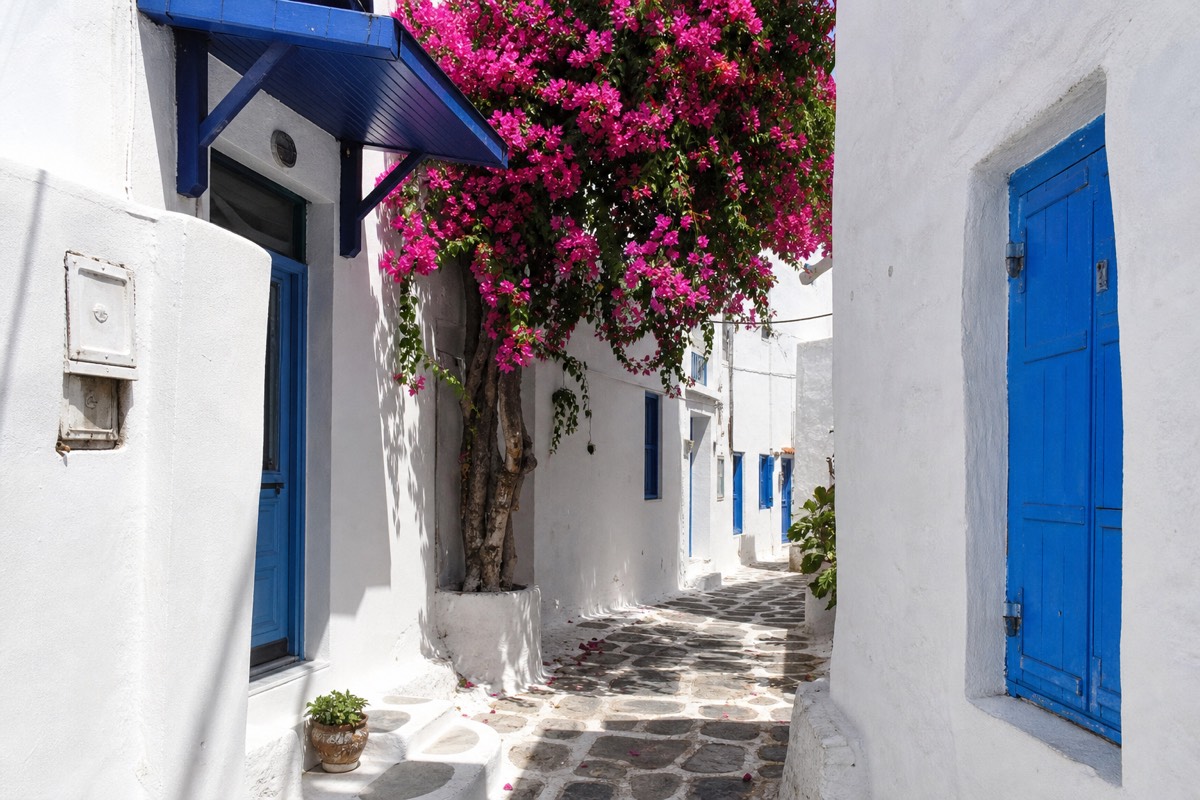
The mistake is booking one by reputation and expecting something it never claimed to be. A couple after quiet dinners will find a resort strip exhausting, while a group of friends will find a sleepy island flat. Both outcomes are avoidable by reading what an island is actually known for before you book, rather than picking on looks alone.
Reputations also travel with a lag. An island that earned a wild name a decade ago may have quietened since, and a once-sleepy one may have grown a scene, so a friend's five-year-old verdict is worth less than a current look at where the bars and beach clubs really cluster. When in doubt, choose the island for its daytime character and treat the nightlife as a bonus you can opt into, rather than the fixed centre of the trip.
There is also a middle path. Several islands carry a lively town and quiet corners in the same place, so you can visit a spirited island and still sleep, as long as you choose your base carefully and travel outside the very peak. If you are not sure which islands lean loud and which lean calm, our overview of which Greek islands to visit sorts them by mood so the reputation matches the reality.
What About Corfu, Zakynthos And The Ionian Islands?
The Ionian islands off Greece's west coast, Corfu, Kefalonia and Zakynthos, are green, lush and beautiful, and worth avoiding only in one sense: do not try to pair them with the Cyclades on a short trip. They sit on a separate ferry network with no direct link to Santorini or Mykonos, so combining the two groups means crossing the whole country.
Taken on their own terms, the Ionian islands are a highlight rather than a warning. They are noticeably greener than the arid Cyclades, the sea runs to an almost tropical turquoise, and Corfu adds a Venetian old town on top of the beaches. For travellers who find the bare Cycladic landscape a little stark, this is the answer, not the island to skip. The catalogue at Discover Greece lists the Ionian as a separate island group from the Cyclades for exactly this reason.
The only real trap is logistics. Reaching the Ionian usually means a flight or a long overland route to a west-coast port, and once you are there, hopping back to the famous Cyclades is impractical inside a normal holiday. Pick one group per trip. If your heart is set on both, give yourself two weeks and treat them as two separate legs, which the fifteen-day self-guided route across four islands has the room to do without a rushed cross-country dash.
Which Islands Are Overrated, And Which Are Underrated?
Nothing is truly overrated for the right visitor, but Santorini and Mykonos draw the most disappointment when peak-season expectations meet peak-season reality. The underrated islands are the quieter Cyclades, Naxos, Paros and Milos, which deliver most of the beauty with a fraction of the crowds and cost.
Calling an island overrated usually says more about when someone went than about the island. The table below reframes the usual complaints as fit questions, so you can see who each island actually suits rather than whether it deserves its reputation.
| Island | Common complaint | Who it actually suits |
|---|---|---|
| Santorini | Too crowded, too expensive in August | Couples and photographers in the shoulder months |
| Mykonos | Pricey, too much nightlife | Groups and beach-club fans who want energy |
| Naxos | Nightlife is quiet | Families and calm-seeking couples |
| Milos | A longer ferry to reach | Anyone chasing rare coastline without crowds |
| Ios | Too loud for a relaxing stay | Younger travellers there for the nightlife |
The through-line is that the underrated islands tend to be the ones people have not seen on a screen a hundred times. If you want the beauty everyone photographs without the crowd that comes with it, the quieter picks in our prettiest Greek island guide are where the value quietly hides.
How Do You Match A Greek Island To Your Trip?
Instead of a blacklist, use a fit list. Decide what you want most from the trip, then choose the island that delivers it and think twice about the one that does not. Almost every disappointing Greek holiday traces back to a single mismatch between what the traveller wanted and what the island is known for.
The grid below turns the whole avoid question inside out. Read down the first column to what you want, and the honest answer is not a warning but a swap.
| If you want... | Think twice about... | Better fit |
|---|---|---|
| Quiet, slow days | Ios and Mykonos in peak August | Naxos, Paros, Milos |
| A short first trip | Remote islands with one ferry a day | The Cyclades on the Athens corridor |
| Nightlife and beach clubs | Sleepy islands like Folegandros | Mykonos, Ios |
| Green scenery and calm sea | The arid central Cyclades | The Ionian: Corfu, Kefalonia |
| Fewer crowds, same beauty | Santorini at midday in August | Santorini in May, June or September |
The pattern in every row is the same: there is no bad island, only a bad match. If you want the two big names to actually live up to the hype, the head-to-head on Santorini or Mykonos helps you pick the one that fits, and families in particular should read the pairings in our Greece family trip guide before booking a stair-heavy island with young kids.
How Do You Avoid Booking The Wrong Island?
Avoid the wrong island by deciding three things first: your dates, your travel style and how far you are willing to sail. Lock those, and the shortlist writes itself, because most regret comes from booking on looks alone and discovering the island was pointed at a different holiday than yours.
A quick pre-booking check catches almost every mismatch. Confirm the island is known for what you want, not just that it photographs well. Confirm the ferry link back to Athens is frequent enough for your dates. Confirm you are not stacking two islands from different groups on a short trip. Three yes answers, and the avoid question is already answered.
It also pays to read the season into the decision. The very island that tops an avoid list in the first week of August can be the best choice on the same route in late May or late September, so the honest fix is often a shift of a fortnight rather than a different island entirely. Lock the dates that suit you first, then choose the islands that suit those dates, and most of the worry tends to dissolve on its own.
The surest way to remove the risk entirely is to let someone sequence the route for you, so the islands, the order and the ferries all fit before you arrive. A packaged trip through Greece Tour Packages matches the islands to the trip and books the crossings in a sensible order, the way the eleven-day semi-guided island-hopping route already does across the core Cyclades, so the mismatches that fill avoid lists never come up.