What Is the Worst Time to Visit Greece? (2026)
Greece has two candidates for its worst time, and which one to dodge depends entirely on what you came for. One is a matter of comfort and cost in the middle of the season; the other shuts the islands down almost completely.
Greece has two worst times, and picking between them comes down to what you want from the trip. For beaches and islands, the low point is deep winter, from about November to March, when many island hotels and tavernas close, ferries thin out and get cancelled in rough seas, and the smaller islands go quiet. For comfort and value in the middle of the season, the hardest stretch is peak August, when heat, crowds and prices all top out together.
Why Is August The Hardest Month For Most Visitors?
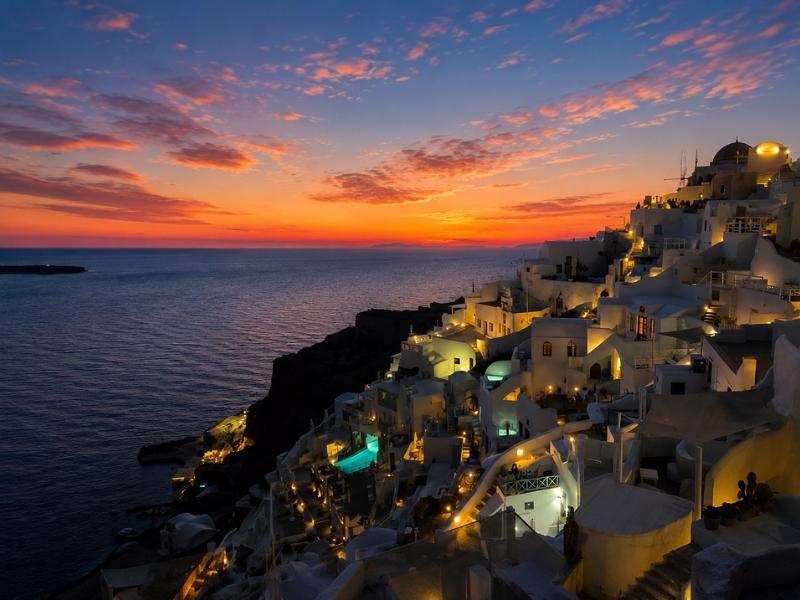
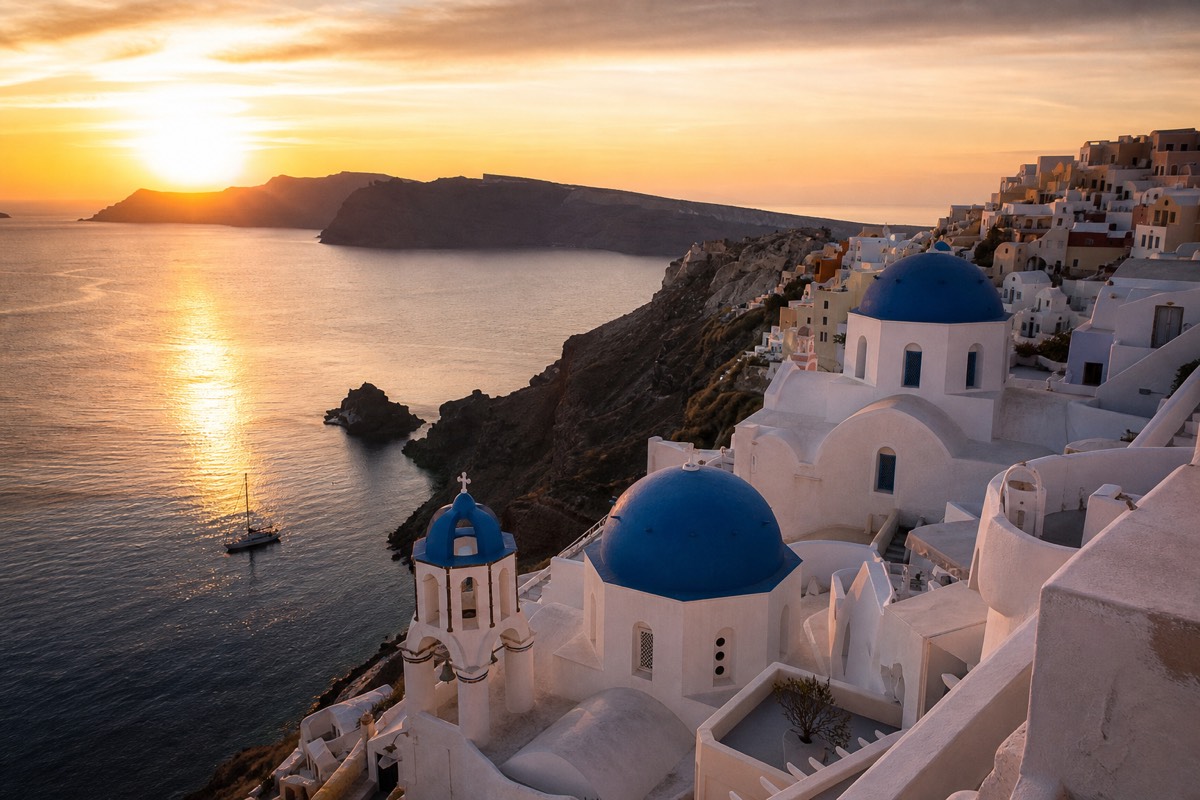
August is the hardest month because everything peaks at once: afternoon heat often climbs into the high 30s Celsius (mid-90s Fahrenheit), crowds and prices hit their yearly ceiling, and the meltemi wind runs at its strongest, disrupting fast ferries on exposed routes. The famous viewpoints are wall to wall, the sunset terraces in Oia fill an hour early, hotels are booked out and dear, and transfers crawl in the traffic. None of it makes Greece unpleasant, exactly, but you work harder and pay more for a worse-paced version of the same trip. Ferries book solid on the popular routes, so a missed connection can be genuinely hard to rebook, and the water offers little relief when the whole coast has the same idea. Treat the temperatures as an allowance to plan around, and lean on the shade and the sea in the hottest hours. The most common island mistakes cluster in this window, and it is the mirror image of the best months to visit Greece. A quick look at a national forecast from the Hellenic National Meteorological Service shows just how consistently the heat sits through late summer.
Why Is Winter The Worst Time For The Islands?
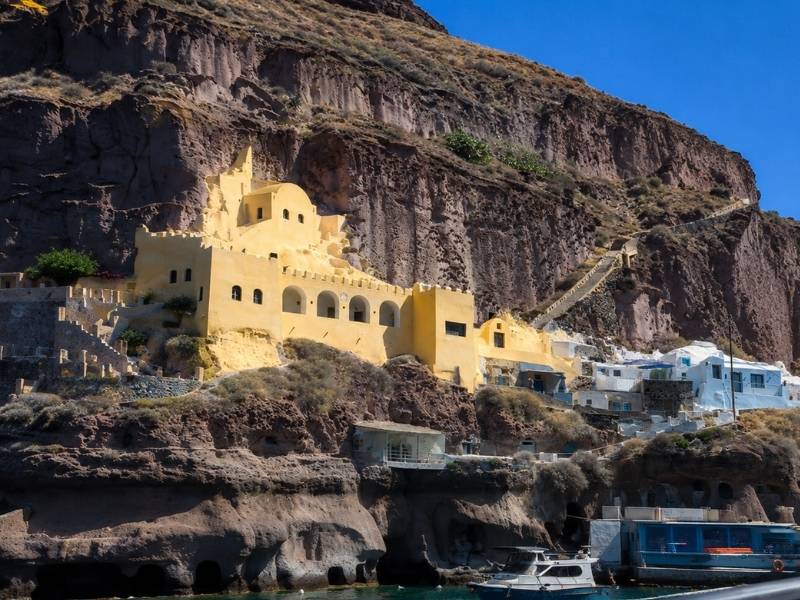
From November to March the islands run on a skeleton: a large share of island hotels, restaurants and tour boats close for the season, ferry schedules drop to a few sailings a week, and winter storms and high winds cancel more of them, while short days and cool, wet spells limit any beach plans. This is the flip side of the peak-summer problem. Where August is too much of everything, deep winter is too little: too few boats, too few open doors, too little daylight to string a route together. The classic island hop simply does not work when half the harbours are shuttered and the connections you need may not sail at all. That does not write off the country for winter, though. Athens and the mainland stay open and lively, and a cool-season city-and-history trip built around the capital can be excellent, with empty museums and low prices. Rain tends to come in spells rather than all day, and a mild, bright winter afternoon in the city can be one of the year's better bargains. For anything that leans on the sea, though, plan the crossings carefully and understand that reserving ferries ahead only helps when the boats are actually scheduled. If you are set on some islands in the off-season, keep to the largest and best-connected ones and read the island-hopping route planner with the winter timetable open beside you.
How Hot Does Greece Actually Get In July And August?
Athens and the low-lying islands sit in the low 90s Fahrenheit (about 33 to 34 Celsius) through July and August, with hot spells pushing into the high 30s Celsius (mid-90s F). Inland spots like Delphi and the Peloponnese run hotter still. Treat those figures as an allowance to build the day around, not a reason to cancel the trip.
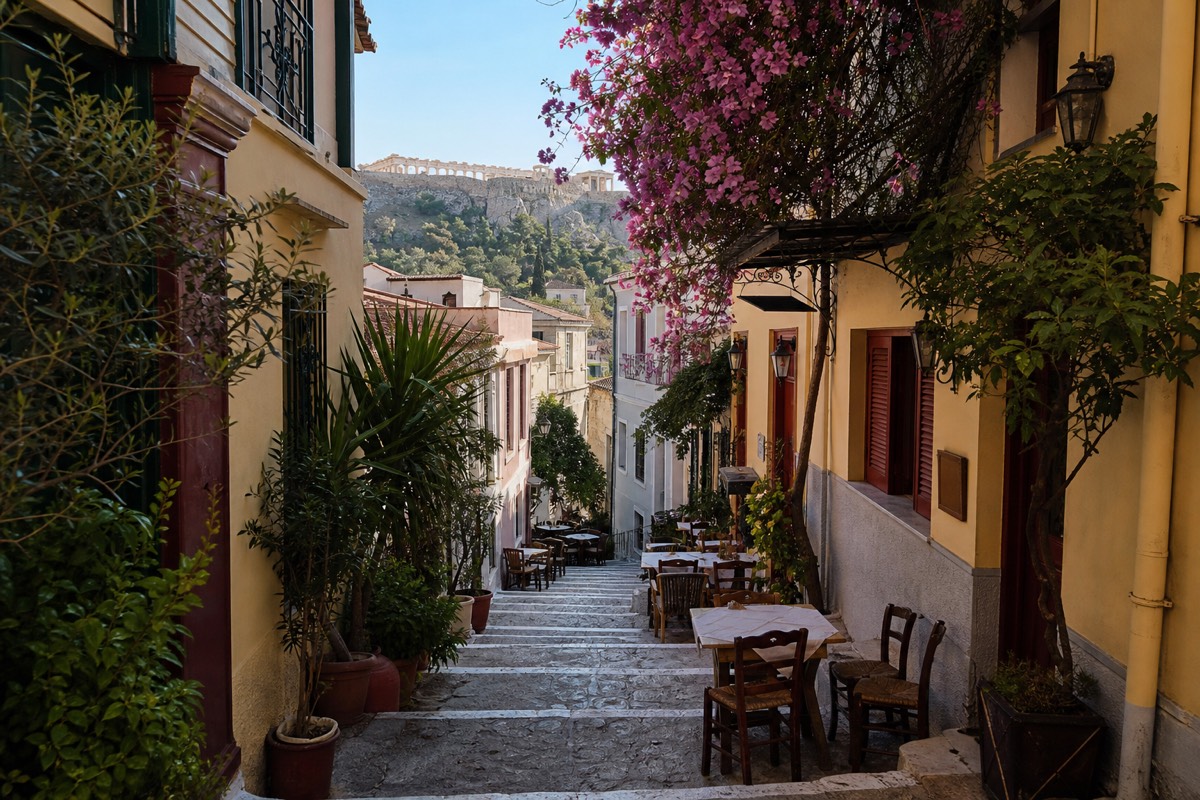
Heat in Greece is manageable if you respect the clock. Locals empty the streets in the early afternoon for a reason, and the visitors who struggle are almost always the ones trying to climb an exposed archaeological site at 2pm. The monthly allowances below track Athens and the coast; a shaded harbour with a sea breeze feels far kinder than the same reading inland, where still air and stone amplify it. If you are timing a mostly cultural trip around this heat, our guide to how many days you need in Greece helps you spread the sightseeing so no single day is all midday sun.
| Month | Typical daytime high | Feel |
|---|---|---|
| April | About 19 to 21 C (high 60s F) | Mild, spring |
| May | About 23 to 25 C (mid-70s F) | Warm, pleasant |
| June | About 29 to 31 C (mid-80s F) | Hot by afternoon |
| July | About 33 to 34 C (low 90s F) | Hot, meltemi wind |
| August | About 33 to 34 C, spells higher (mid-90s F) | Hottest, busiest |
| September | About 28 to 29 C (low 80s F) | Warm, easing |
| October | About 23 to 24 C (mid-70s F) | Mild, cooling |
The takeaway is not that summer is off-limits, it is that summer rewards planning the day in two halves, cool ends and a shaded, watery middle. Push everything strenuous to the morning and the same heat that ruins an ill-planned trip barely registers.
Humidity and stone do most of the damage people blame on the raw number. A dry 34 Celsius with a sea breeze on a Cycladic terrace is genuinely pleasant, while the same reading in a still Athens side street, radiating off marble and asphalt, is punishing. That is why the coast copes with high summer far better than the city and the inland valleys, and why an afternoon swim resets the whole day. Carry water, wear a hat, and treat shade as a resource to plan around rather than a luxury you stumble into.
What Happens To Ferries And Island Openings Off-Season?
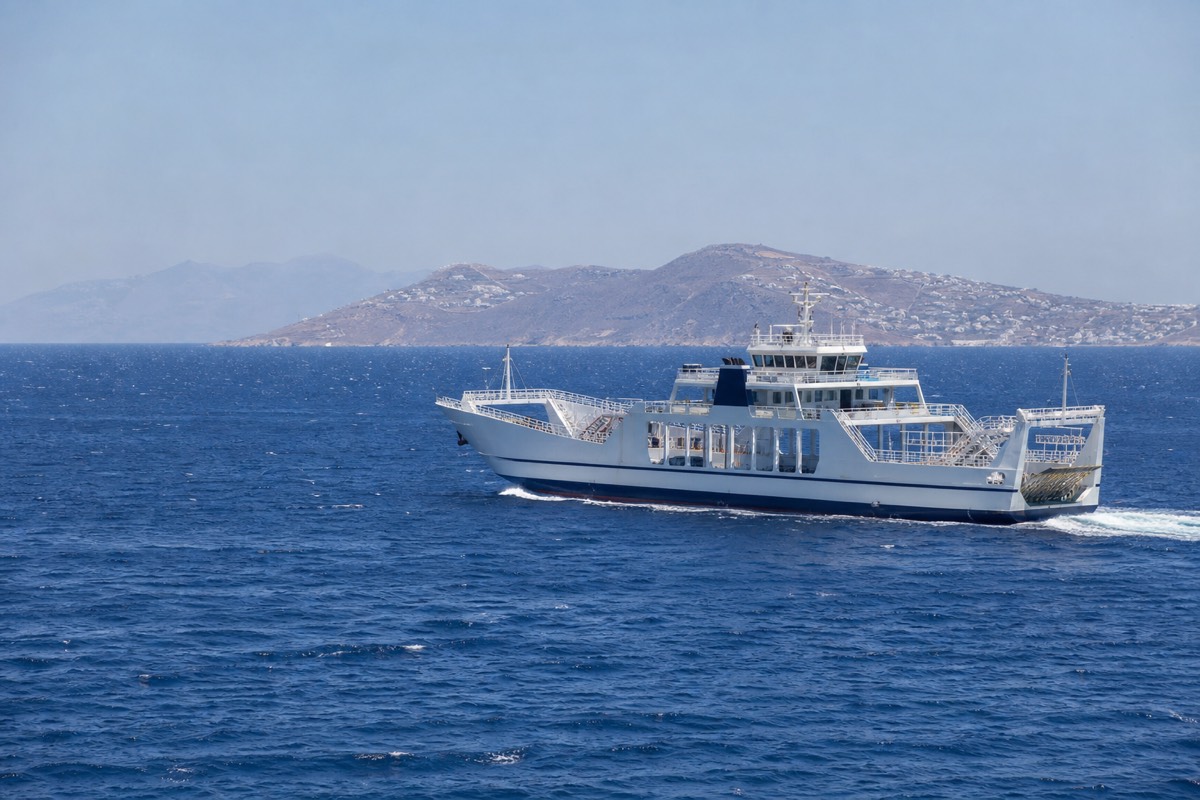
From November to March the islands run on a skeleton. A large share of island hotels, tavernas and tour boats close for winter, ferry timetables drop to a few sailings a week on many routes, and winter storms cancel more of them. Athens and the mainland stay open and busy the whole year, which is why an off-season trip pivots to the capital.
The practical problem in winter is not that the weather is always bad, it is that the infrastructure of a beach holiday folds up. A route that runs like clockwork in June can have no scheduled boat at all in January, and the hotel you liked may simply be closed. That is why the mode question matters more off-season than in summer, and why it is worth weighing ferries against flights when the sea timetable thins. If you do want islands outside the season, stay on the biggest and best-served ones, where a handful of the larger, best-connected islands keep at least some hotels and ferries running year round.
| Season | Islands open | Ferry frequency | Main risk |
|---|---|---|---|
| Late Apr to Jun | Ramping up, most open by late May | Building to full | Cool sea early on |
| Jul to Aug | Everything open | Full, windy days | Meltemi, crowds, heat |
| Sep to mid-Oct | Full, winding down late | Full, easing | Late closures on small islands |
| Nov to Mar | Many closed, big islands thin | A few sailings a week | Storm cancellations |
The shoulder edges of that table are where people get caught. A trip pinned to the last week of October or the first week of November is a coin toss: some years the weather holds and the big islands are still ticking over, other years the boats have already thinned and the tavernas you pictured have pulled their chairs in for winter. If your dates land on that boundary, keep the route on the largest islands with year-round ferry links and treat any smaller stop as a bonus you confirm on the day, not a fixture you build the week around.
Is July As Tough As August, Or Milder?
July is a notch easier than August, but not by much. The heat and the meltemi are already up, and crowds build through the month, yet prices and visitor numbers top out in August around the European holidays. If you must travel mid-summer, early July beats every week of August on cost and on space.
The difference is real but narrow, and it is mostly about the calendar rather than the climate. August carries the continent's main holiday weeks, so it concentrates families, closures of local businesses that take their own break, and the very highest room rates. July shares the heat and the wind but leaves a little more room and a slightly softer price. If you are travelling with children and tied to school holidays, August is often unavoidable, which is where our guide to a family trip in Greece earns its keep by planning around the heat and the crowds rather than pretending they are not there.
| Factor | July | August |
|---|---|---|
| Heat | Hot, low 90s F | Hot, spells into mid-90s F |
| Meltemi wind | Strong | Strongest |
| Crowds | High, building | Very high, peak |
| Prices | High | Highest |
| Ferry booking | Two to three weeks ahead | Three weeks or more |
There is a sweet spot hiding in plain sight here. The last days of June and the first week or two of July give you the reliable summer sea and the full ferry timetable before the continent's holiday wave really lands. Rooms are dearer than in the shoulder but not yet at the August ceiling, and the islands still have a little slack in them. It is the closest thing to a high-summer trip without the high-summer crush, which is why flexible travellers who insist on peak warmth aim for early rather than late in the season.
When Is The Worst Time For Each Kind Of Trip?
The single worst window flips depending on your priority, so match the goal to the month before you book. The table pairs each kind of trip with the stretch to avoid and a better one to aim for instead, all as broad planning allowances rather than fixed rules.
| What you want | Worst window | Better window |
|---|---|---|
| Beaches and swimming | November to April (cold sea) | June to September |
| Island-hopping | November to March (closures, cancellations) | May, June, September |
| Low prices with things open | Peak August (dearest) | May, June, late September |
| Fewest crowds with warm weather | Mid-July to August | May, early June, September |
| Sightseeing in comfort | July and August (heat) | April to June, September, October |
Read down the "better window" column and the same handful of months keep reappearing. That is not a coincidence: the shoulder season quietly answers almost every version of the question at once.
The mismatch that trips people up is booking for one goal while their real priority is another. A couple who say they want beaches but mostly want quiet dinners and easy sightseeing should read the sightseeing row, not the beach row, and land on the shoulder rather than midsummer. Be honest about the one thing that would make or break the week, then let that row, and only that row, choose the dates for you.
It also helps to separate the two failure modes cleanly, because they call for opposite fixes. The August problem is solved by shifting a few weeks: same islands, same route, two or three weeks earlier or later, and most of the heat and the crush fall away. The winter problem does not yield to shifting weeks at all, only to shifting the whole trip onto the mainland, because no amount of clever timing reopens a shuttered island harbour in January. Knowing which of the two you are up against tells you whether to move the dates or move the map.
Is Winter Ever Worth It On The Mainland?
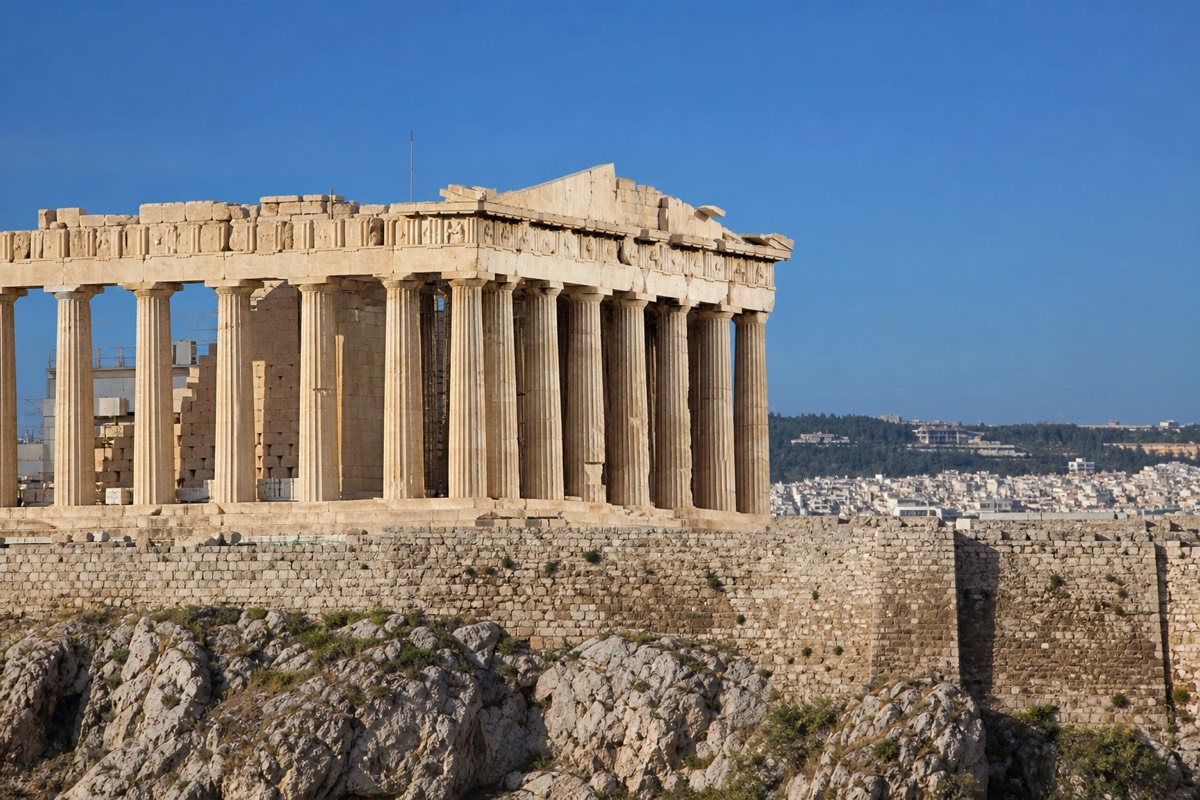
Often, yes, if you swap the islands for the capital. Athens stays lively year round, its ancient sites and museums are quiet and cheap in the cool months, and a mild, bright winter afternoon in the city can be one of the year's best bargains. Rain tends to come in spells rather than all day. The islands are the part that winter shuts down, not the country.
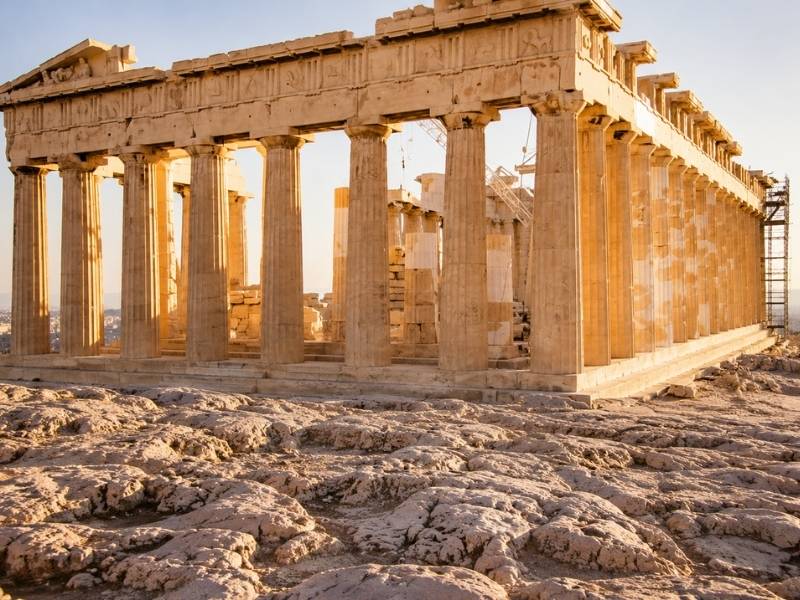
A winter trip works when you stop trying to make it a summer trip. The Acropolis without the summer queue, a long lunch indoors, day trips to the mainland ancient sites when the weather cooperates: this is a genuinely good holiday, just a different one. Hours are shorter off-season, so check opening times before you set out, and keep the plan flexible around the weather. If a cool-season culture trip appeals, the classical mainland sites are the natural spine to build it on, and they carry the history that draws people to Greece in the first place, wind or shine.
| What | Islands (Nov to Mar) | Athens and mainland (Nov to Mar) |
|---|---|---|
| Hotels open | Few, mostly on the big islands | Open as normal |
| Ferries and transport | A few sailings a week, storm-hit | Buses, metro and trains run |
| Ancient sites and museums | Many closed or on short hours | Open, quiet and cheaper |
| Weather | Cool, wet, windy at sea | Cool, changeable, occasional rain |
| Best for | Little in the low season | City breaks, history, food |
Winter also changes what the mainland feels like, mostly for the better if you like a city with its guard down. Athens in January is a working capital rather than a stage set: neighbourhood tavernas full of locals, the big sites almost to yourself, and a coffee culture that runs whatever the sky is doing. Pack for cool, changeable days and the odd downpour, keep a museum or two in reserve for the wet afternoons, and the trade you are making is plain, no beach, but no queues and no heat either.
So When Should You Go To Greece Instead?
For almost everyone the answer is the shoulder season: roughly late April to mid-June, and again September into October, which sidesteps both the August crush and the winter shutdown. Those windows give you warm-enough water, open islands, running ferries and prices that have not spiked. You dodge both failure modes at once, the heat and crowds of high summer and the closed doors of winter, without giving up much on the sea. The shoulder season is not really a compromise, it is the locals' own answer: ask people who live on the islands when they would choose to travel their own country and few pick August. They point at May, when everything reopens and the land is still green, or at late September, when the sea is warm and the summer circus has left town. If hopping is the whole point of the trip, the case for early autumn is even stronger, and the best month for island hopping makes it in full. A shoulder-season-friendly route like the six-day Athens, Mykonos and Santorini package travels well in May, June or September, with the hotels and crossings already arranged. When you would rather skip the timing gamble entirely, the packages at Greece Tour Packages set the dates around the good windows and handle the ferries, hotels and transfers. For the opening dates of individual sites and islands, the official Greek tourism board is the source to trust.