What Are the Biggest Mistakes to Avoid on a Trip to the Greek Islands?
Most Greek island trips go sideways for the same handful of reasons, and almost all of them trace back to one thing: cramming in too much. Fix the pace and the season first, and the ferries, the crowds and the budget mostly fall into place.
The biggest mistake is trying to fit too many islands into too few days, and nearly every other slip follows from it: connections booked too tight, ferry times underestimated, the wrong island, the wrong month. Sort the pace and the season, and the rest is mostly logistics. Below is the short, citable list of ten, then the deeper reasons each one bites and the fix that holds up once you are standing at a windy port with a ticket in your hand.
What Are The 10 Most Common Greek Islands Mistakes?
The ten that catch first-time visitors out are cramming in too many islands, underestimating ferry times, booking connections too tight, hitting peak August unprepared, ignoring the meltemi wind, leaving ferries and hotels to the last minute, picking the wrong island for your style, mishandling Santorini, committing to only ferries or only flights, and visiting in deep winter expecting full island life.
- Packing in too many islands. Three islands in seven days already means two of those days are spent largely at ports and on decks. A calmer rhythm is two or three islands for a week, adding one more for every three or four extra days. If you want a route that already balances the pace, our step-by-step island-hopping route planner shows how many stops realistically fit each trip length.
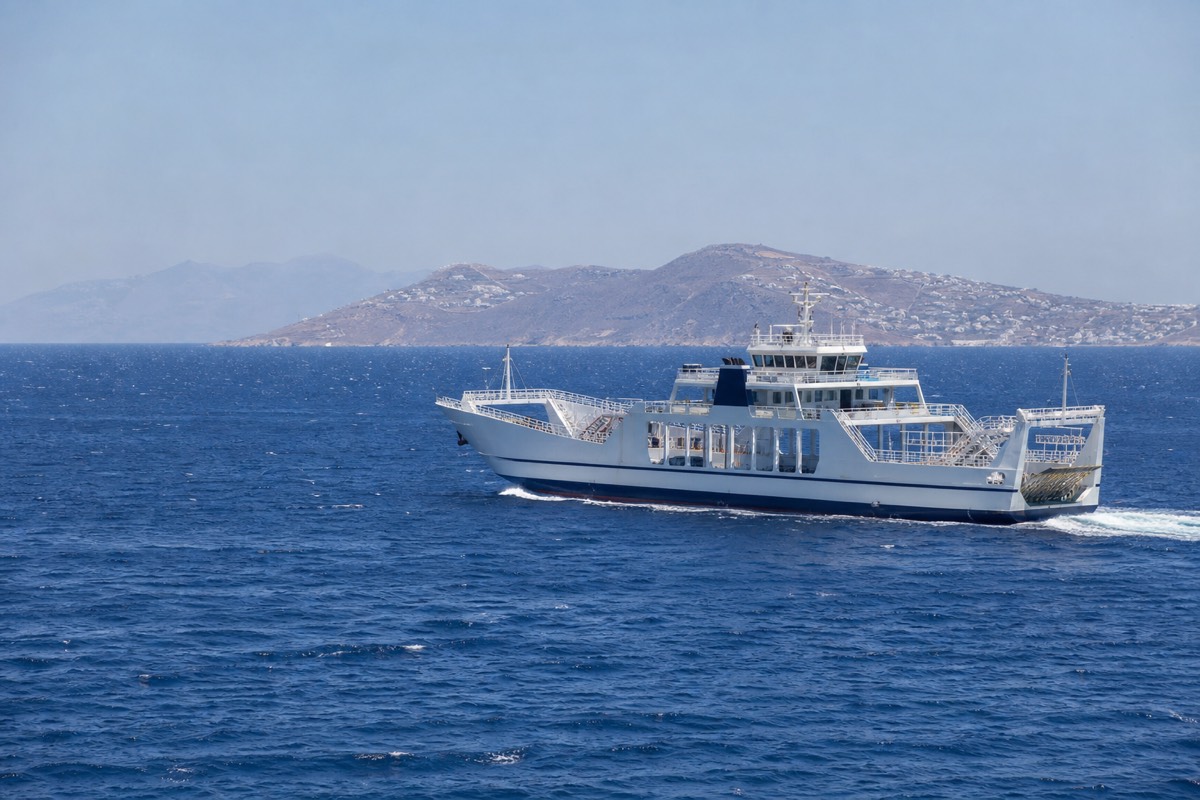
- Underestimating ferry times. On a map, Naxos to Santorini looks like a quick skip. In practice, Cyclades crossings run anywhere from about two hours on a fast boat to five or more on a conventional ferry, before you add the walk to your hotel and the wait at the port. Plan each hop as a half-day, not an afternoon errand.
- Booking connections too tight. Wind, swell and delays are normal here, and one late ferry can topple a chain of same-day plans. Never connect a morning boat straight to an evening flight home, and keep a night in Athens before you fly out. It is worth weighing ferry against flight for each leg before you lock anything in.
- Going in peak August without bracing for it. Mid-July through August is the hottest, busiest and priciest stretch, with afternoons often into the high 30s Celsius (mid-90s Fahrenheit) and viewpoints packed shoulder to shoulder. It can still be a fine trip, but read why August is the hardest month first, then set it beside the best months to visit Greece before you commit.
- Ignoring the meltemi wind. The meltemi, a strong dry northerly, sweeps the Aegean through summer and peaks in July and August. It whips up chop on exposed beaches and, on rough days, cancels fast ferries. Check a marine forecast such as the one from the Hellenic National Meteorological Service before any tight fast-ferry day.
- Leaving ferries and hotels to the last minute in summer. Popular summer sailings and the better-value island hotels sell out weeks ahead, and cabins go before deck seats do. It pays to reserve your ferry tickets in advance rather than gamble on the port ticket window in August.
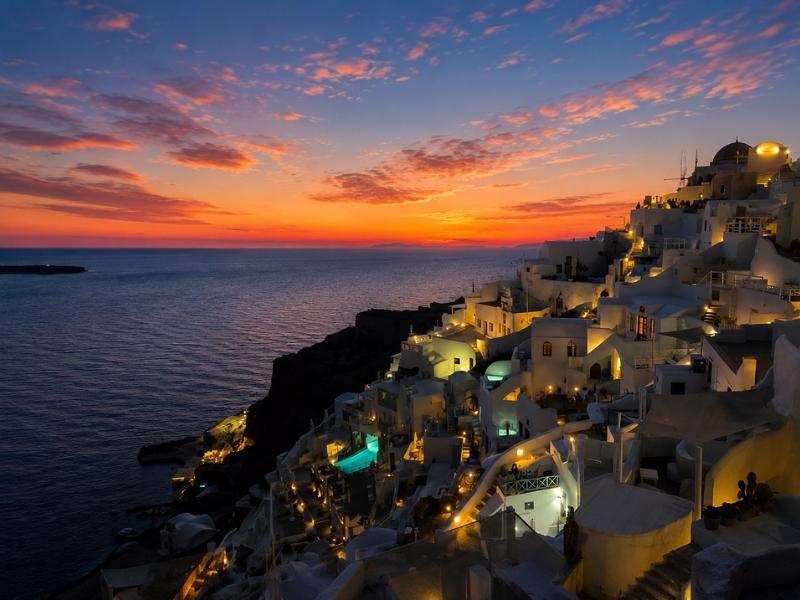
- Picking the wrong island for your style. Mykonos runs late and loud, Naxos and Paros stay calmer and more local, and Santorini is about the caldera and the sunsets rather than long sandy beaches. Match the island to what you genuinely want out of the days, not to the photo that sold you the trip.
- Shortchanging Santorini, or over-scheduling it. Day-trippers pour into Oia for sunset, so the town is calmest early and late, and the island rewards a two or three night stay over one rushed night. A quick read on how many days Santorini really needs saves you from either extreme.
- Committing to only ferries or only flights. Some legs, like Athens out to Santorini or Mykonos, can be quicker and sometimes cheaper by air, while short Cyclades hops are simpler by boat. Loyalty to one mode usually costs you either time or money on at least one leg.
- Visiting in deep winter expecting full island life. From November to March many island hotels and tavernas close, ferries thin out and get cancelled in rough seas, and the smaller islands go quiet. Athens and the mainland stay lively year round, but for the classic island trip the low season is the one to plan around.
Those ten sort into four clusters: pacing, season, ferries and booking, and island choice. Working through them in that order is deliberate, because the earlier clusters set up the later ones. Get the pace and the month right and the ferry and island questions get easier. Get them wrong and no amount of clever booking rescues the week.
Which Pacing Mistakes Cost You The Most Days?
Pacing errors are the most expensive kind because they burn whole days, not minutes. Each island you add past the first two swallows roughly half a day getting there, checking in and finding your feet, so a five-island week can lose two to three days to ports and ferry decks. Two or three islands across seven nights is the honest ceiling.
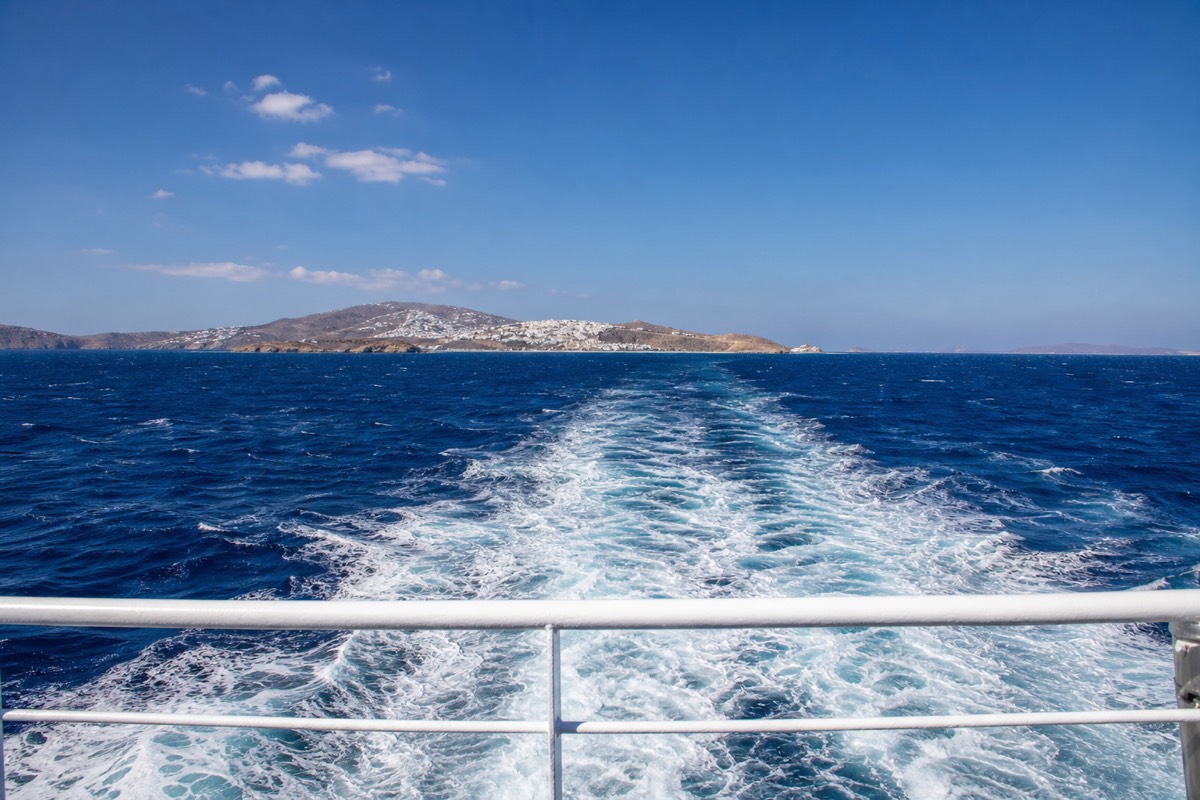
The maths gets clearer once you stop counting islands and start counting travel days. A morning ferry sounds like it frees the whole afternoon, but you also give back the checkout, the taxi or walk to the port, the wait to board, the crossing itself, the walk or transfer at the far end, and the check-in. Bundle those and a "quick hop" is a half-day gone before you have touched the water. Two hops in a week is comfortable. Four is a transit holiday with a sea view. If you are still deciding how long the whole trip should run, our take on how many days you need in Greece sets realistic floors by trip type.
The table below shows what actually happens to a seven-night trip as the island count climbs. The travel figures are planning allowances, not a fixed schedule: short Cyclades hops eat less, long conventional crossings eat more, but the shape holds every time.
| Islands in 7 nights | Full days on the move | Real days on beaches and sites | Verdict |
|---|---|---|---|
| Athens plus 2 islands | About 1 | 5 to 6 | Relaxed, room to breathe |
| Athens plus 3 islands | About 2 | 4 to 5 | Balanced if the hops are short |
| Athens plus 4 islands | About 3 | 3 to 4 | Rushed, little downtime |
| Athens plus 5 islands | About 4 | 2 to 3 | Mostly transit, skip it |
Notice the trade you are really making. Adding a fifth island does not add a fifth beach day, it swaps a slow morning by the water for a rushed morning at a ferry gate. The travellers who come home raving are almost always the ones who did less, lingered longer, and let one island surprise them instead of scoring five off a list.
How Many Nights Does Each Island Actually Need?
As a rough planning allowance, most Cyclades islands earn two to three nights each, and Athens two. These are starting points, not rules, but they keep you clear of the classic error of a night here and a night there, which turns a holiday into a run of hotel check-ins with a view.
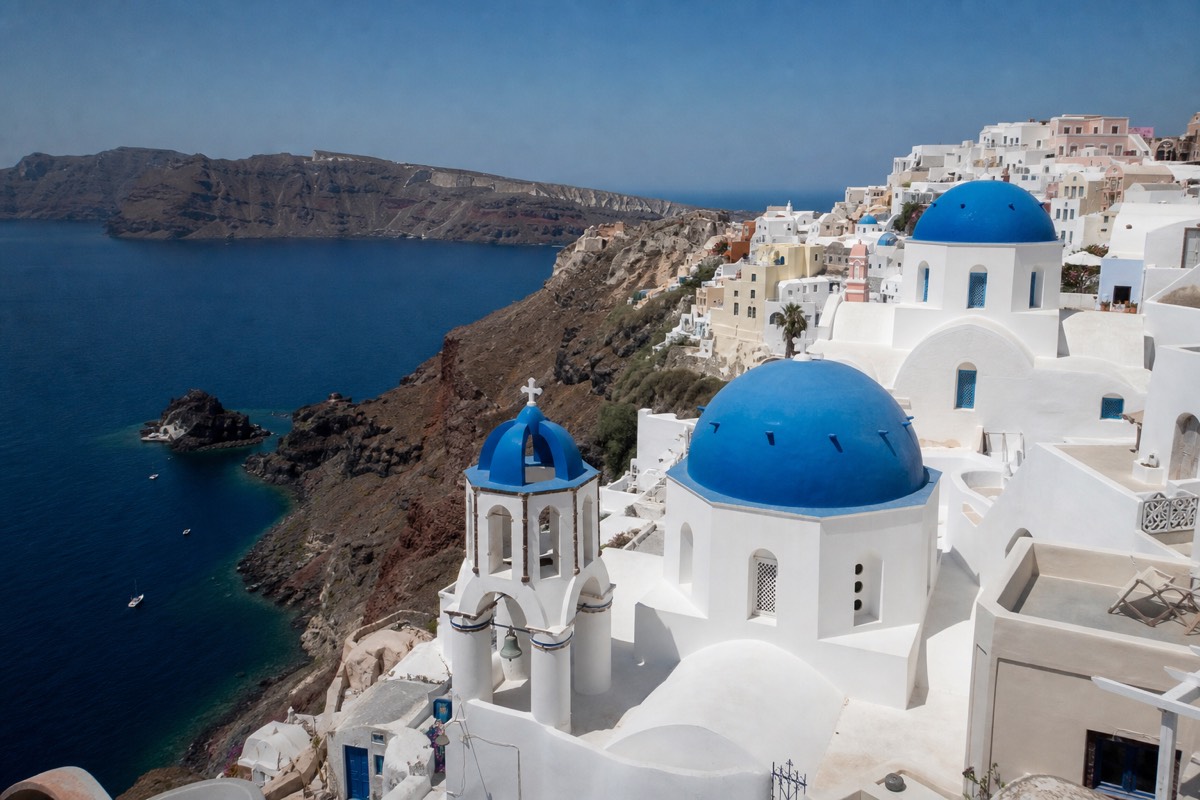
| Island | Planning allowance | Good for |
|---|---|---|
| Santorini | 2 to 3 nights | Caldera views, sunsets, wine, one quiet day |
| Mykonos | 2 nights | Beaches, nightlife, wandering Chora |
| Naxos | 2 to 3 nights | Long beaches, mountain villages, walking |
| Paros | 2 nights | Relaxed base, Naousa harbour, day trips |
| Athens | 2 nights | Ancient sites, plus an arrival or exit buffer |
The first night on any island barely counts. You arrive tired, you find the hotel, you eat somewhere close, and the place has not shown you anything yet. The magic tends to land on the second morning, when you know where the good bakery is and which beach faces away from the wind. That is the real argument against single-night stops. If you are torn over which islands deserve the nights in the first place, our rundown of which Greek islands to combine pairs them by character so a week hangs together instead of fighting itself.
Which Seasonal Mistakes Ruin A Greek Islands Trip?
The season sets the ceiling on the whole trip, so getting it wrong is the mistake that touches every day. Peak mid-July to August stacks the worst together: high-30s Celsius heat, the year's thickest crowds and highest prices, and the meltemi at full strength, which chops up exposed beaches and cancels fast ferries. Deep winter swings the other way, into closures.
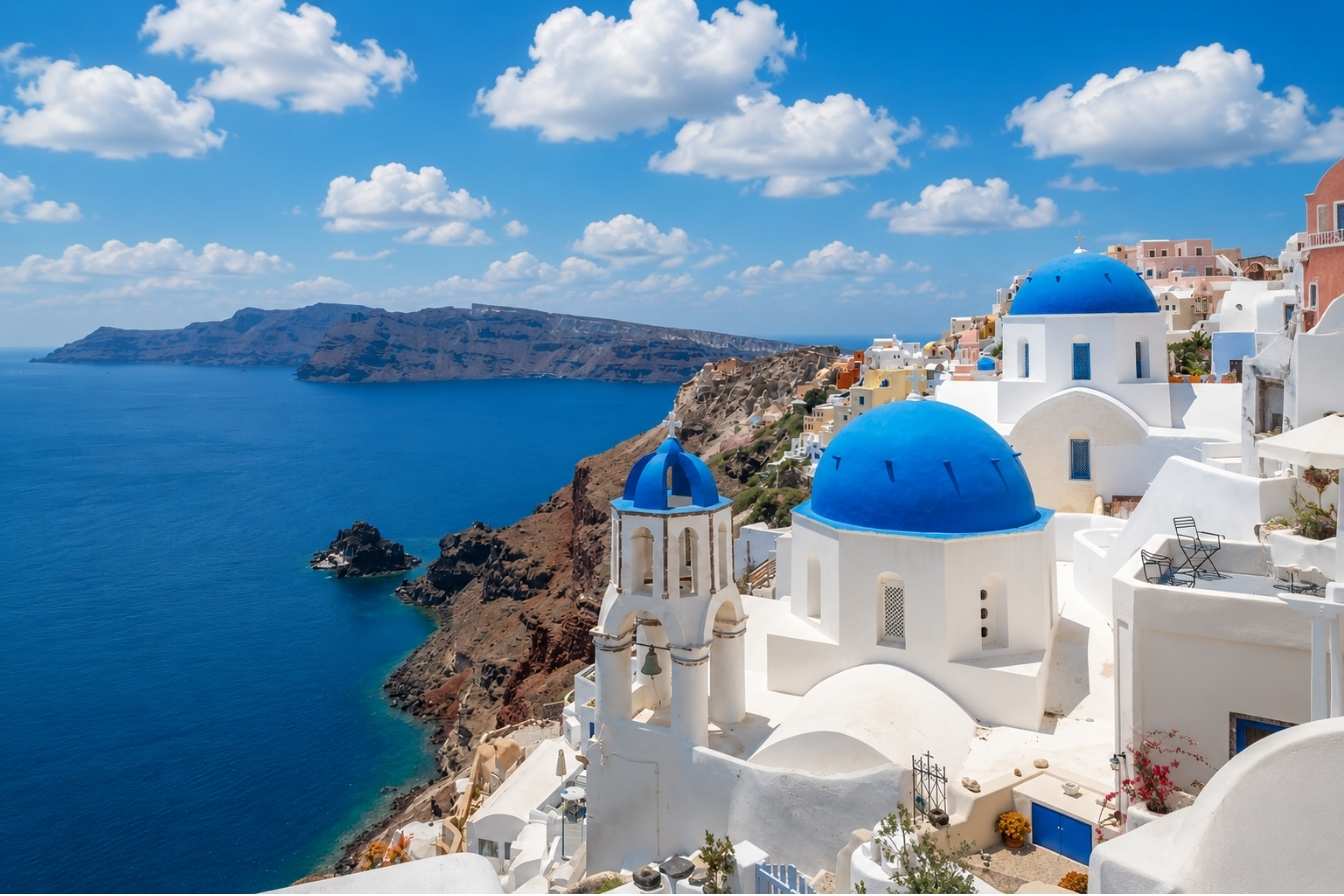
Two seasonal traps sit at opposite ends of the calendar. The summer one is heat and pressure: rooms booked out and dear, transfers crawling in traffic, sunset terraces filling an hour early, and a wind that is glorious for cooling you down and miserable for catching a fast boat. The meltemi blows from roughly June to September and is strongest in July and August, so a windy August afternoon is not bad luck, it is the pattern. The winter trap is the reverse. From November to March the cancellations come from storms and high winds rather than the meltemi, and the deeper problem is not weather but closures: half the harbours you would want are shuttered for the season.
The scorecard below rates each month on the four things a beach-and-island trip lives on. Read it as broad planning allowances, since a single week can always run cooler, calmer or busier than its month.
| Month | Daytime heat | Crowds | Wind risk | Ferry reliability | Take |
|---|---|---|---|---|---|
| May | Mild to warm | Low | Low | Building schedule | Calm, cooler sea |
| June | Warm | Low to medium | Low to moderate | Full timetable | Excellent all-rounder |
| July | Hot | High | Meltemi building | Full, windy days | Hot and busy |
| August | Hot | Very high | Meltemi peak | Full, windy days | Hardest month |
| September | Warm, easing | Medium | Easing | Full timetable | Best all round |
| October | Mild, cooling | Low | Low early, rising late | Winding down | Quiet, some late closures |
| Nov to Mar | Cool, wet spells | Very low | Winter storms | A few sailings a week | Islands largely closed |
If your dates flex at all, aim for the shoulders. Late April to mid-June and September into early October give you warm-enough water, open islands and running ferries without the August pile-up or the winter shutdown.
What Ferry And Booking Mistakes Catch People Out?
Three booking errors do the damage: connecting a morning ferry straight to an evening flight, leaving summer sailings and the good hotels to the last minute, and swearing loyalty to either ferries or flights for the whole trip. Wind and swell make delays normal here, so one late boat can unravel a same-day chain and cost you a flight.
Build a buffer into every crossing that has a hard deadline behind it, and treat the flight home as sacred: sleep in Athens the night before, not on a ferry that morning. When the forecast turns rough, remember that the big conventional ferries handle chop far better than the sleek high-speed catamarans, so a windy day is a reason to prefer the slower boat, not to abandon the plan. Book early, too. In high summer the cabins sell before the deck seats, and the best-value hotels on the popular islands go weeks ahead. A set route with the stays, crossings and buffers already threaded for you sidesteps most of this by design.
These crossing times are broad planning allowances that move with the season, the boat and the weather, not fixed timetables. Confirm each one on a live schedule such as Ferryhopper before you build a day around it.
| Route | Fast ferry (approx) | Conventional (approx) | Plan it as |
|---|---|---|---|
| Piraeus (Athens) to Mykonos | 3 to 3.5 hours | 5 hours or more | Half a day |
| Piraeus (Athens) to Santorini | About 5 hours | 8 hours or more | A full travel day |
| Mykonos to Santorini | 2.5 to 3 hours | Longer, seasonal | Half a day |
| Naxos to Santorini | Under 2 hours | 2.5 hours or more | Half a day |
| Paros to Naxos | 30 to 45 minutes | About 1 hour | A short hop |
The loyalty trap is subtler. Purists who insist on ferries for everything pay for it on the long haul out from Athens, where a flight to Santorini or Mykonos can be quicker and sometimes cheaper. People who fly everything miss the point of a short Cyclades hop, where the boat is half the fun and simpler than a transfer, a check-in and a bus from a regional airport. Mix the modes to fit each leg.
Which Island-Choice Mistakes Lead To Regret?
The regret usually traces to one move: choosing an island from a photo instead of from how you want to spend the days. Mykonos runs late and loud, Naxos and Paros stay calmer and more local, and Santorini is about the caldera rim and the sunsets rather than long sandy beaches. Match the island to the trip you actually want, not the postcard.
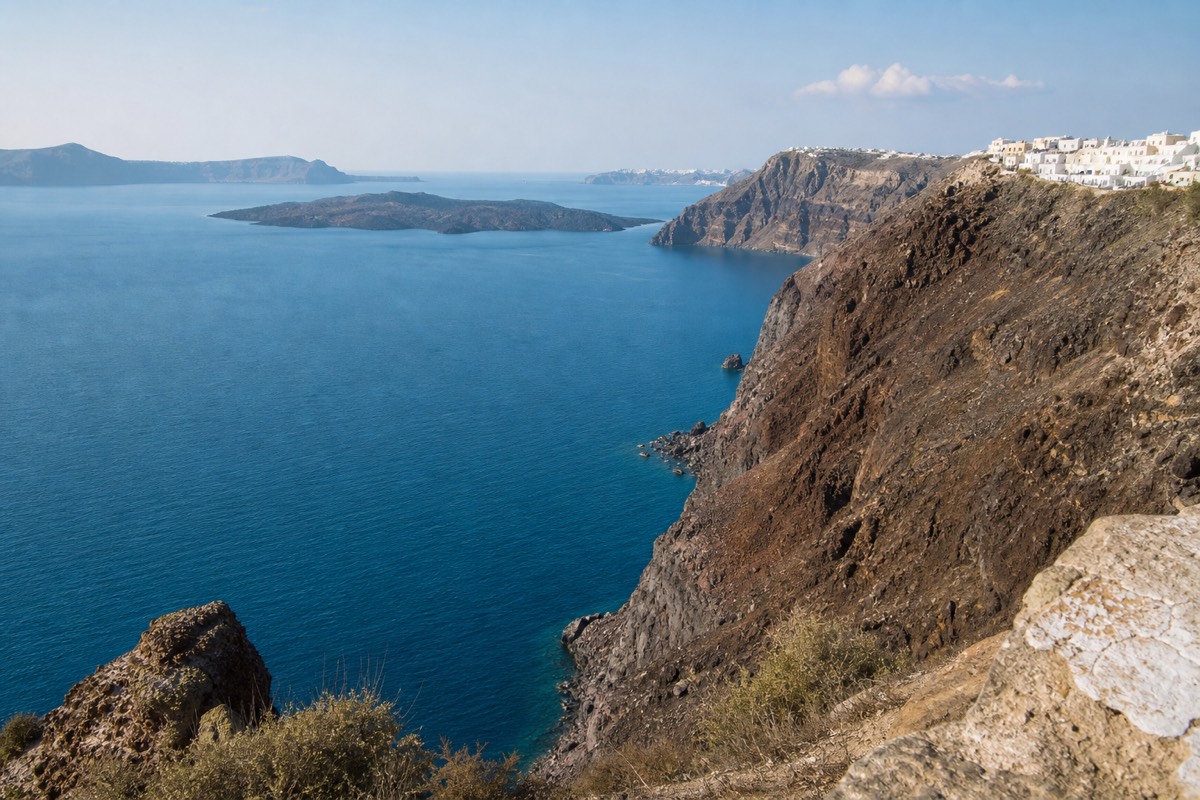
Santorini is where this bites hardest, in both directions. Some people book it for a beach week and find dark volcanic sand and cliffs instead of soft bays, while others give the caldera a single rushed night and never see Oia empty out after the day-trippers leave. If you are weighing the two headline islands, our head-to-head on Santorini or Mykonos lays out who each one suits before you commit a booking to either.
| Island | Leans toward | Choose it if | Reconsider if |
|---|---|---|---|
| Santorini | Caldera views, sunsets, wine | You want the scenery and the romance | You mainly want a soft-sand beach day |
| Mykonos | Beaches and nightlife | You want buzz and late nights | You want quiet and lower costs |
| Naxos | Long beaches, mountain villages, food | You want variety and value | You want nonstop nightlife |
| Paros | Relaxed harbours, easy day trips | You want a laid-back base | You are chasing big-name sights |
| Athens | Ancient sites and city life | You want history and an easy start | You only came for the sea |
The fix is boringly effective: write down the one thing you most want from the trip, whether that is swimming, walking, food, nightlife or scenery, and let that pick the island. The photo you saved was almost certainly shot at golden hour on a day with no wind and no crowds, which is not the day you are buying.
What Money And Packing Mistakes Add Up On The Islands?
The small stuff compounds: turning up on a tiny island with no cash, packing smooth-soled shoes for marble lanes and cobbles, and underestimating what transfers and ferries add to the budget. None of these ruins a trip alone, but together they tax every day and quietly push a "cheap" island week well past what people expect.
Cards are widely accepted on the big islands, but on the smaller ones and at village tavernas, cash still rules and ATMs can be scarce or empty in peak season. Carry a working float and top it up in the larger ports. Footwear is the other quiet mistake: those glossy whitewashed lanes turn slick underfoot, and Athens and the ancient sites are all polished marble and uneven stone, so bring shoes with grip rather than fashion soles. On the budget, the tickets are only half the story. Transfers, the ferries themselves, the odd internal flight, and eating out twice a day are what move the real number, which is why our breakdown of what a week in Greece really costs is worth a read before you set the number in your head.
One more habit saves a lot of grief: work with the heat instead of against it. See the ruins and the hilltop towns early or late, treat the middle of the day as shade-and-sea time, and carry water everywhere. The people who wilt in July are usually the ones who tried to sightsee at 2pm.
Which Mistakes Matter Most, And What To Do Instead?
Two of these cascade, so fix them first. Get the season wrong and every day inherits it, from the heat to the price of the room; get the connections wrong and one delayed ferry unravels the week. Pin the season first, aiming for the best month for island hopping if hopping is the point, then pace the route, then sort the ferries. A set route like the nine-day Athens, Paros, Naxos and Santorini trip avoids most of these traps by design, with the stays, crossings and buffers already built in. If doing all of that yourself starts to feel like the real mistake, the packages at Greece Tour Packages fold the hotels, ferries and transfers into one booking.