Best Greek Islands to Visit (and How to Combine Them)
Greece has more than two hundred inhabited islands, and almost nobody sees more than four on one trip. The skill is not fitting them all in, it is picking two or three that sit close enough to combine and differ enough to be worth the ferry.
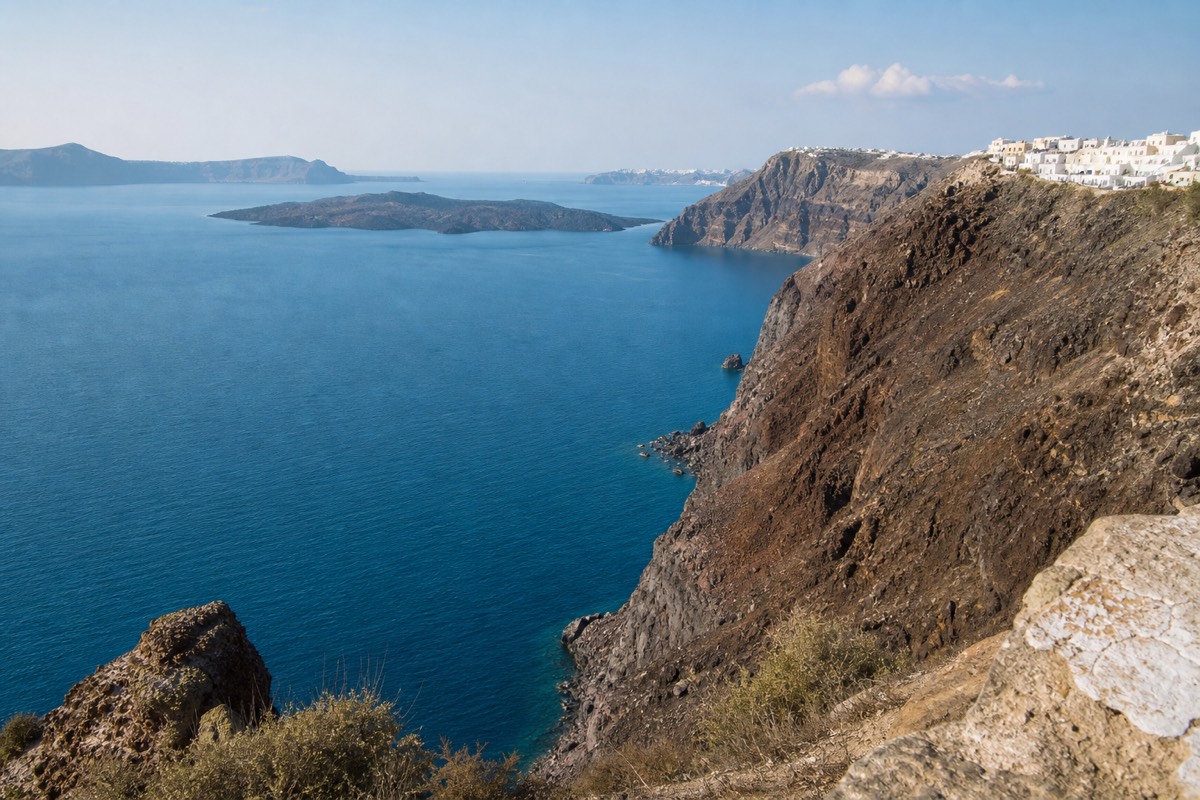
Six thousand islands, give or take, are scattered across the Aegean and the Ionian, and most first-timers see three or four before flying home certain they picked wrong. They usually did not. The islands cluster into a handful of groups, and once you know which group does what, the choice narrows fast: a caldera view, a beach club, a working fishing harbour, a Minoan palace. The move that saves a trip is combining islands that share a ferry corridor, so the sea time stays short and the islands themselves stay different.
Which Greek islands should you actually visit?
For a first trip, build around the Cyclades: Santorini for the caldera views, Mykonos for beaches and nightlife, and Paros or Naxos for a quieter, more authentic base. Add Crete only if you have close to two weeks. Everything else, from Rhodes to Corfu, is a reason to come back rather than a first-trip requirement.
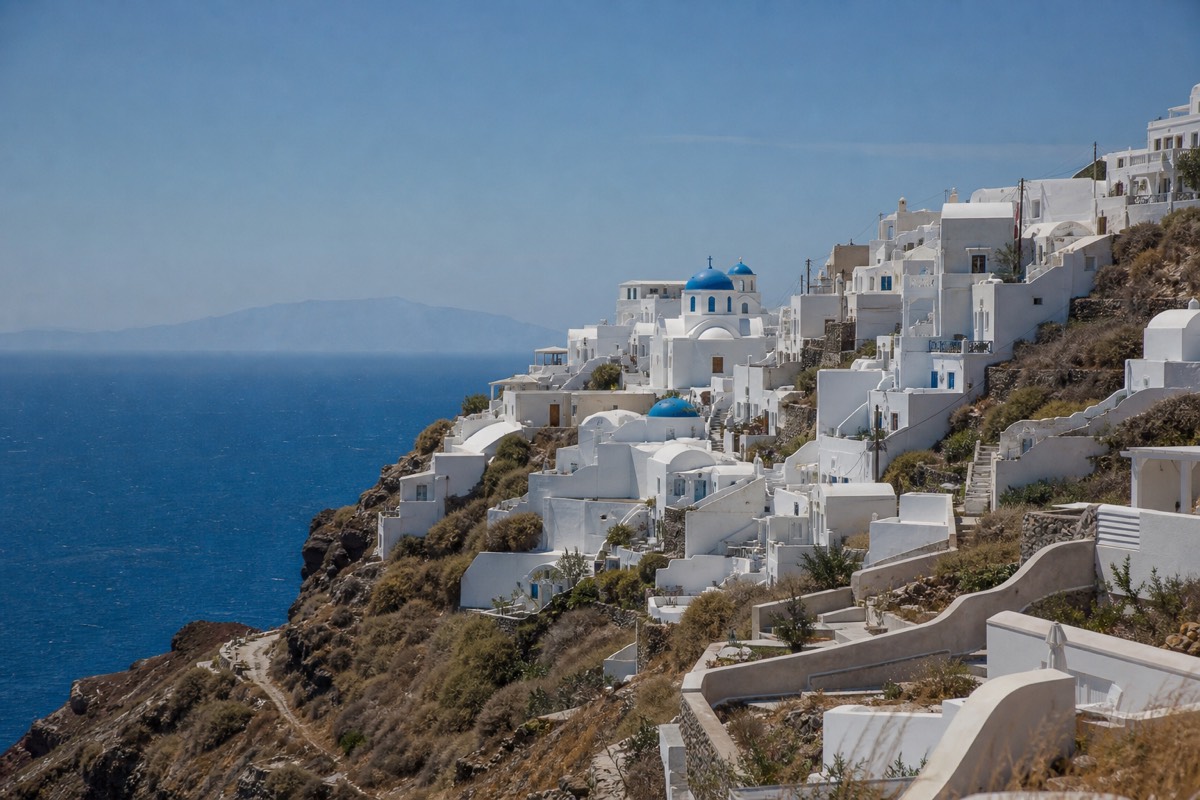
The reason those islands top almost every list is not marketing, it is geography and character. Santorini and Mykonos are the two images most people already carry of Greece, they sit one ferry apart, and they are opposites: one is dramatic and vertical, the other is flat, sandy and loud. Slot a calmer island like Paros or Naxos between or after them and you get contrast instead of repetition. The official Greek travel resource Discover Greece catalogues dozens of islands worth a trip, but the shortlist below is where a first visit almost always lands.
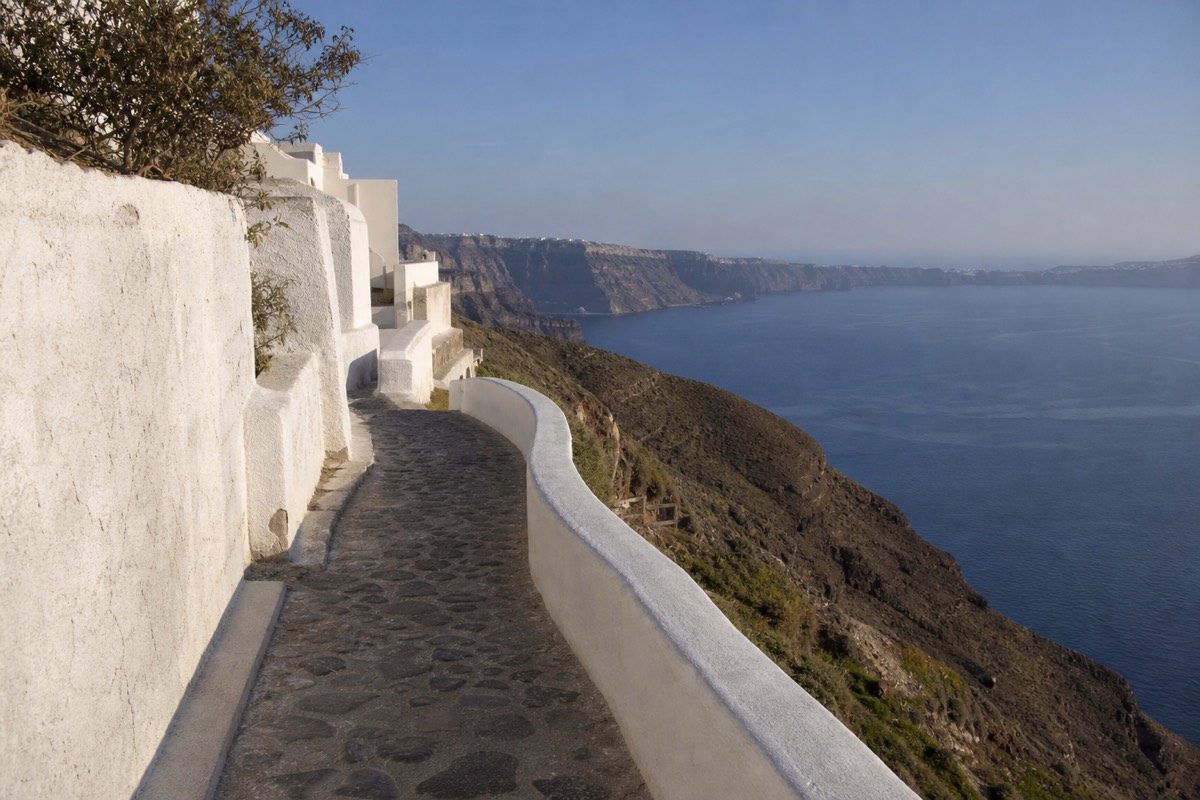
| Island | Group | Known for | Feel | Best for |
|---|---|---|---|---|
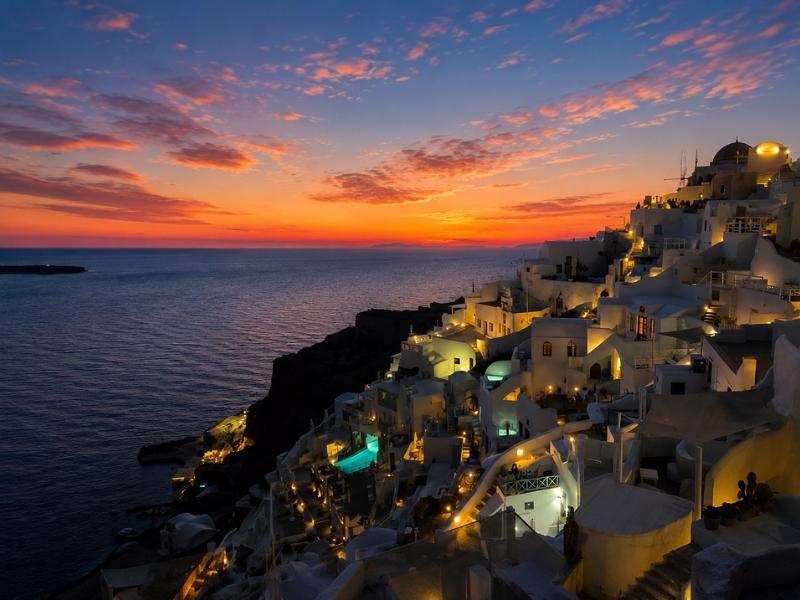
| Santorini | Cyclades | Caldera cliffs, Oia sunsets, volcanic beaches | Dramatic, romantic, busy | Views, couples, first-timers |
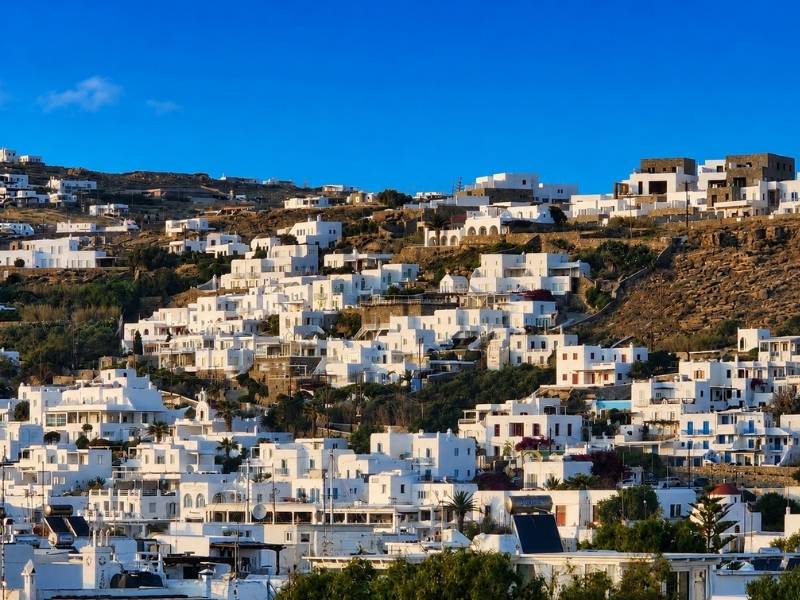
| Mykonos | Cyclades | Sandy beaches, beach clubs, Chora windmills | Lively, polished, pricey | Beaches, nightlife, summer energy |
| Paros | Cyclades | Naousa harbour, walkable villages | Relaxed, authentic, mid-range | A calmer Cycladic base |
| Naxos | Cyclades | Long beaches, mountain villages, the Portara | Down-to-earth, self-sufficient | Families, value, longer stays |
| Crete | Its own | Knossos, Chania old town, gorges, mountains | Big, varied, a country of its own | Two-week trips, history plus beach |
| Rhodes | Dodecanese | Medieval Old Town, long beaches | Historic, resort-leaning | Eastern Aegean, beach and history |
| Corfu | Ionian | Green hills, Venetian town, calmer sea | Lush, Italianate | Ionian trips, families |
Notice what the table is really telling you. The five islands that combine easily are all Cyclades, all close together, and all reachable from the same Athens port. Crete, Rhodes and Corfu each pull you toward a different corner of the country, which is why they suit longer or repeat trips rather than a first week. If you are still torn between the two headline islands, our guide on choosing between Santorini and Mykonos settles it dimension by dimension.
How do the main Greek island groups differ?
Greece has five island regions that matter for planning: the Cyclades in the central Aegean, the Saronic islands beside Athens, Crete to the south, the Dodecanese in the southeast, and the Ionian on the west coast. The Cyclades are the whitewashed islands you picture, and they sit closest together, which is why nearly every island-hopping trip stays inside them.
The groups are not interchangeable, and the single most common planning error is mixing two of them on a short trip. The Cyclades and the Ionian are on opposite sides of the country with no direct ferry between them, so pairing Santorini with Corfu means a flight or a full day back through Athens. Keep a first trip inside one group and the logistics take care of themselves. The table below is the mental map to keep.
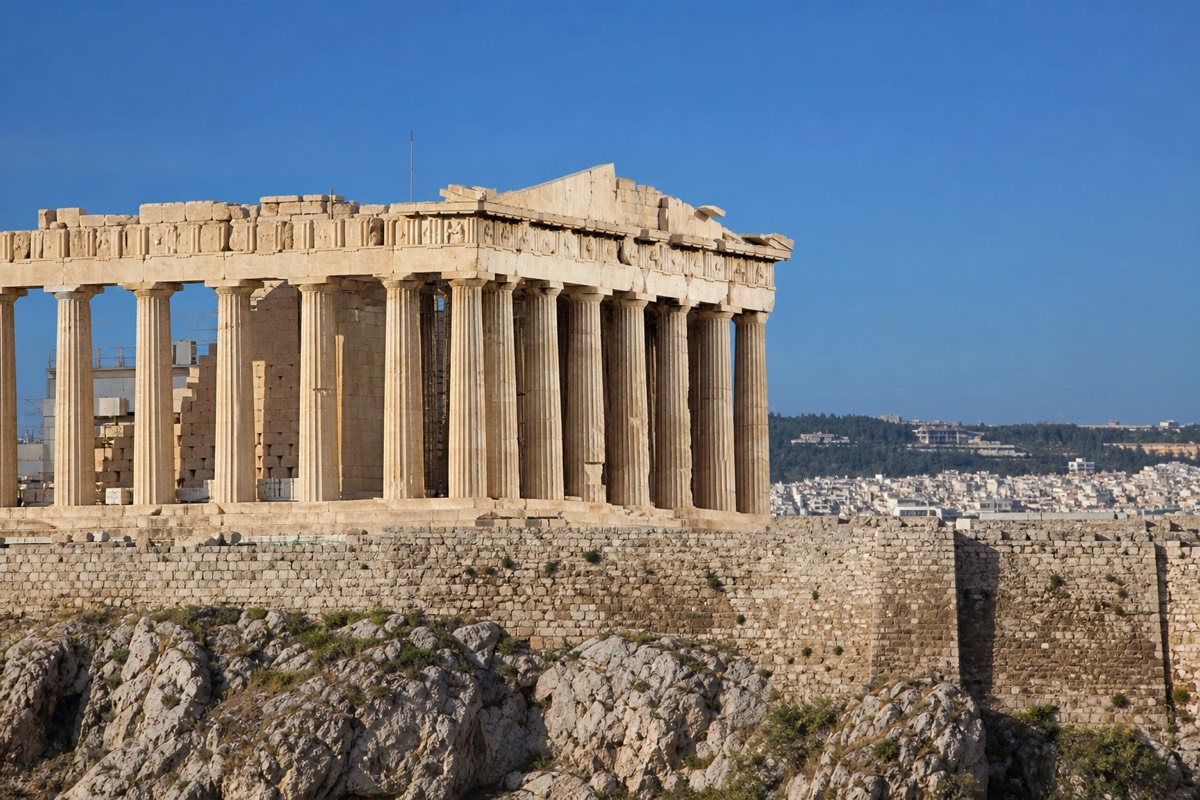
| Group | Where | Character | Example islands | Reaching it from Athens |
|---|---|---|---|---|
| Cyclades | Central Aegean | Whitewashed, arid, iconic | Santorini, Mykonos, Paros, Naxos, Milos | Ferry from Piraeus or a short flight |
| Saronic | Gulf beside Athens | Close, low-key, quick to reach | Hydra, Aegina, Poros | 1 to 2 hour ferry, easy day trips |
| Crete | Southern Aegean | Largest island, mountains and coast | Heraklion, Chania | Around a 50-minute flight or a long ferry |
| Dodecanese | Southeast Aegean | Medieval towns, near the Turkish coast | Rhodes, Kos, Symi | Flight, or a long ferry |
| Ionian | West coast | Green, lush, calmer water | Corfu, Zakynthos, Kefalonia | Flight or a drive-and-ferry, not near the Cyclades |
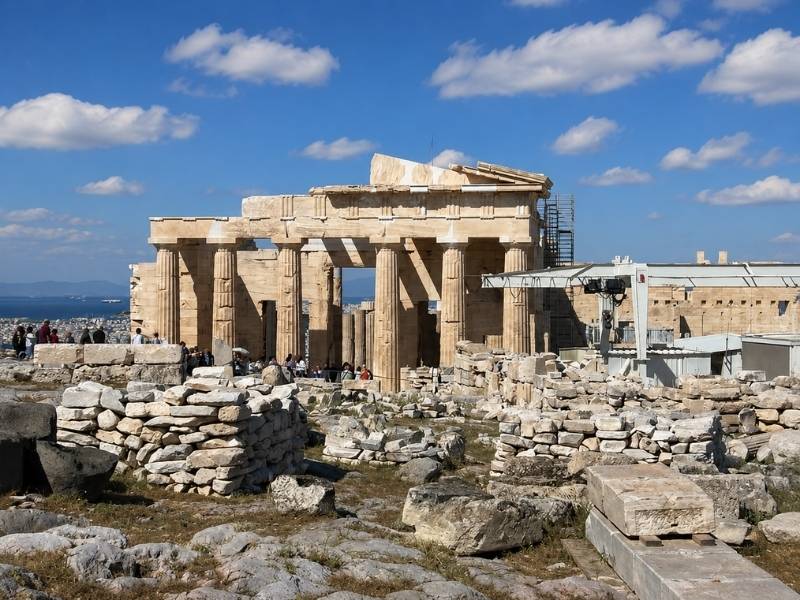
The Saronic islands deserve a note because they are the underused option. Hydra, Aegina and Poros sit an hour or two from Athens and make an easy add-on when you have days to spare but not the appetite for a long crossing. The eight-day Ancient Greece tour with a Saronic Islands cruise uses exactly that geography, folding a day on the water into a mainland-focused trip.
Which Greek islands pair well together?
Pair islands that share a ferry corridor and contrast in character. Santorini and Mykonos are the classic duo, one crossing apart and total opposites. For three islands, string Paros, Naxos and Santorini in a line so the calm comes first and the showstopper closes the trip. Never try to combine the Cyclades with the Ionian on one visit.
Good pairings do two jobs at once. They keep the sea legs short, because the islands are neighbours, and they give each island a distinct job so the days do not blur. Santorini earns its place as a finale, Mykonos brings the beach-and-bar energy, and a quieter island in the middle stops the trip from feeling like one long crowd. The pairings below are the ones the operators we work with book most, and they map cleanly onto how a route actually sequences.
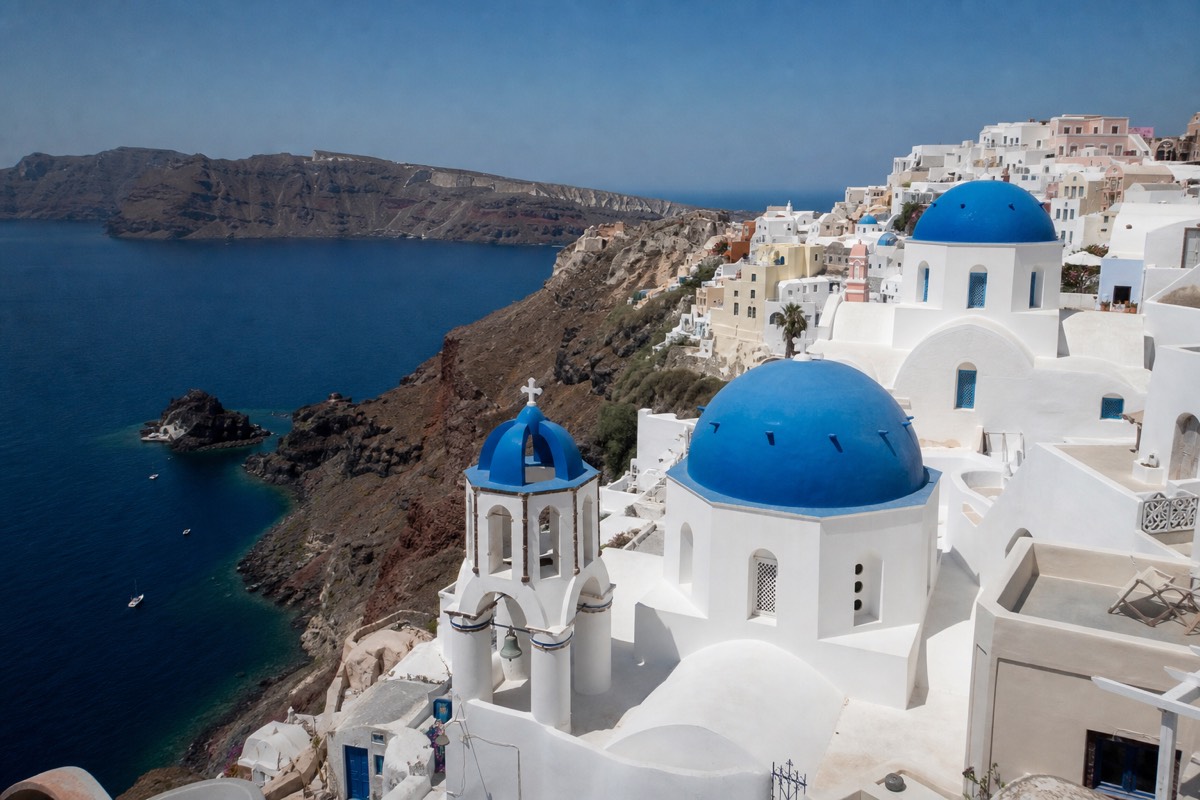
| Pairing | Nights | Why it works |
|---|---|---|
| Santorini + Mykonos | 5 to 7 | The classic duo, one ferry apart, opposite in character |
| Paros + Naxos + Santorini | 8 to 9 | A tight Cyclades corridor, quiet first, then the big finish |
| Mykonos + Paros + Naxos + Santorini | 10 to 11 | Four Cyclades in a line, short hops, plenty of variety |
| Santorini + Crete | 10 to 14 | Adds a large island with its own history, food and beaches |
| Santorini + Milos | 6 to 8 | Two volcanic islands, dramatic coasts, far fewer crowds on Milos |
| Cyclades + Ionian | Avoid | Opposite sides of the country, no direct ferry, wastes days |
The three-island and four-island lines are the sweet spot for anyone with more than a week. The nine-day Paros, Naxos and Santorini itinerary and the eleven-day semi-guided island-hopping tour are built on precisely this corridor, with the ferries pre-booked in the order that keeps each crossing under a couple of hours. If you would rather understand the routing yourself first, our full guide on how to plan an island-hopping route walks through the sequence.
What makes the Cyclades the default choice?
The Cyclades win on three counts: they hold the images everyone associates with Greece, they sit close enough together for short ferry hops, and they range from the busiest islands to genuinely quiet ones inside the same group. That means you can combine famous and off-radar islands without ever leaving one ferry network.
Inside the group, the core five split into two moods. Santorini and Mykonos are the headline acts, expensive, crowded in summer and worth it anyway for what they do best. Paros, Naxos and Milos are the counterweight: whitewashed villages, sandy beaches and tavernas that still feel local rather than staged. Naxos is the largest and most self-contained, producing its own food, wine and marble, with a medieval kastro above the port and west-coast beaches as good as anything in the Aegean at a fraction of Mykonos prices. Paros plays the calmer, walkable card, with the old fishing harbour at Naousa as its centrepiece.
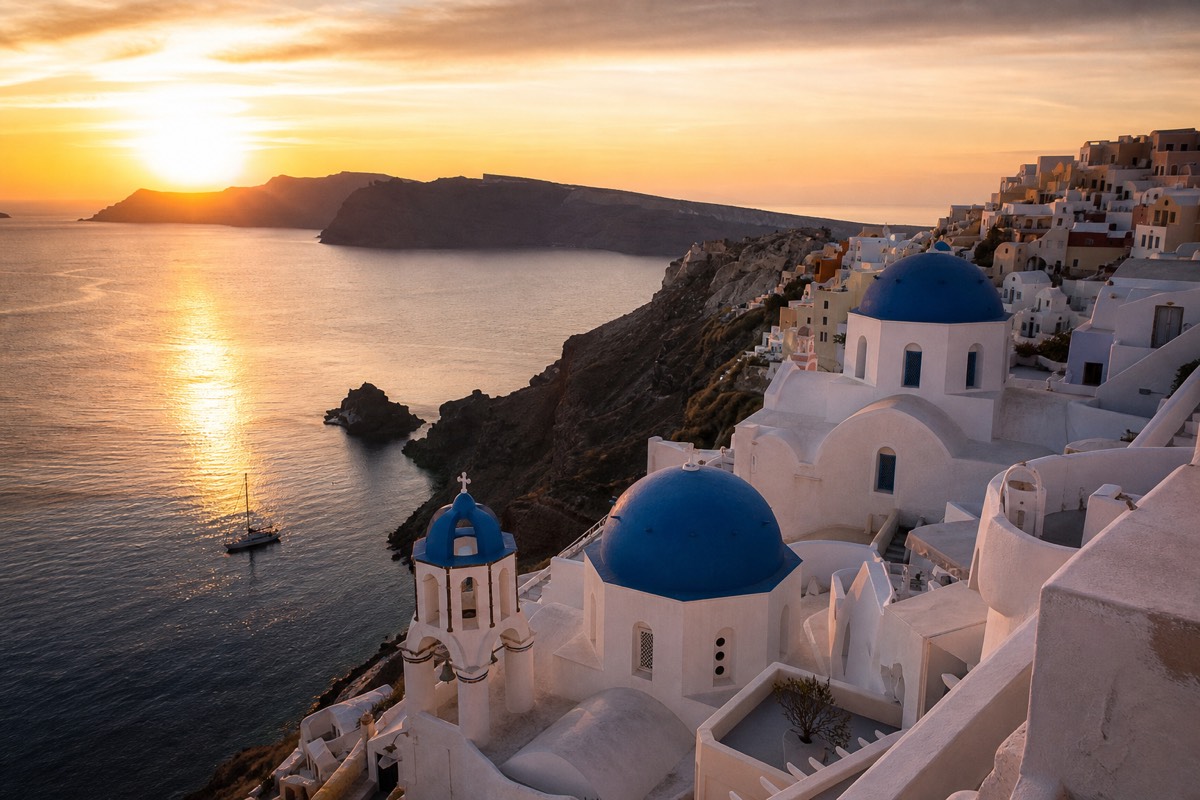
Milos and Ios round out the group for travellers who want something less obvious. Milos is all sculpted volcanic coastline and swimming coves, while Ios balances a party reputation with quiet beaches once you get past the main town. The point of the Cyclades is that you can mix any two moods, famous and quiet, in one short and low-stress route.
Which island suits which kind of traveller?
Match the island to what you actually want from the trip. Couples and photographers lean Santorini, beach-and-nightlife travellers lean Mykonos, families and value-seekers do better on Naxos or Crete, and anyone chasing quiet should look at Paros, Naxos or Milos. There is no single best island, only the best island for your version of the holiday.
The mistake is treating the islands as a ranking rather than a menu. A honeymoon couple who love Santorini would be poorly served spending a week on party beaches, and a group of friends after nightlife would find Santorini oddly quiet after dark. Read the table below as a shortcut from what you want to where you should point the trip.
| What you want | Best island or islands | Why |
|---|---|---|
| The icons on a first trip | Santorini + Mykonos | The two images of Greece, easy to combine |
| Beaches and nightlife | Mykonos | The best beach-club and bar scene in the Cyclades |
| Quiet and authentic | Paros, Naxos, Milos | Cycladic character without the peak-season crush |
| A family holiday | Naxos, Crete | Long safe beaches, space and a gentler pace |
| History plus coastline | Crete, Rhodes | Ancient sites and long beaches on one island |
| Romance and sunsets | Santorini | Caldera-view hotels and the Oia sunset |
If you are travelling with children, the pace matters more than the island, and our guide to Greece with kids covers which combinations avoid too many stairs and ferry days. Couples planning something special will find the same logic applied to a Greece honeymoon, where Santorini almost always anchors the trip.
Is Crete worth adding to a Greek islands trip?
Crete is worth it once your trip runs to roughly twelve days or more. It is less an island than a small country, with the Minoan palace of Knossos, the Venetian harbour of Chania, mountain gorges and some of the best beaches in Greece. On a short trip it swallows time you would rather spend hopping the Cyclades, so treat it as an addition, not a substitute.
What makes Crete different is that it does not slot into a quick ferry loop. Reaching it from the Cyclades usually means a longer crossing or a short flight, and once you arrive the distances between the main sights are real. Chania in the west and Heraklion in the centre are a couple of hours apart by road, and the famous gorges and southern beaches take a full day each. Give Crete three or four nights and it rewards you; give it one and you will spend most of it in transit.
The trips that handle Crete well build it in as a distinct chapter. The fifteen-day self-guided route across four islands ends on Crete after Syros, Mykonos and Santorini, using a short domestic flight rather than a marathon ferry to get there, which is the sensible way to fold a big island into an island-hopping trip.
What about the Ionian and the quieter islands?
The Ionian islands, Corfu, Zakynthos and Kefalonia, are greener, lusher and calmer than the Cyclades, with softer light and a more Italian feel. They are wonderful, but they sit on the far west coast with no direct ferry to the Aegean, so they suit a trip planned entirely around them rather than a Cyclades add-on.
People who love the Ionian tend to love it for the reasons the Cyclades are not: forested hills running down to turquoise bays, Venetian architecture, and a slower, less photographed atmosphere. Zakynthos has the famous shipwreck cove, Kefalonia has dramatic beaches and underground lakes, and Corfu carries centuries of Venetian, French and British history in its old town. The catch is access. From Athens you fly or drive-and-ferry, and connecting the Ionian to Santorini in one trip means backtracking through the mainland.
Back in the Aegean, the quiet-Cyclades option is the easier win for a first trip. Paros, Naxos and Milos give you the whitewashed-village experience without the Ionian's logistics, and they stay inside the same ferry network as the famous islands. If crowds are your main worry, that is the direction to look before you consider crossing the country.
Which Greek islands are overrated, and which are underrated?
No famous island is truly overrated once you time your visit well, but Santorini and Mykonos disappoint most often in peak August, when crowds and prices hit their ceiling. The genuinely underrated islands are Naxos, Paros and Milos, which deliver Cycladic beauty and better value with a fraction of the crush.
The label overrated usually means mistimed. Santorini on a September evening is one of the finest places in the Mediterranean; the same island at midday in August, with cruise crowds funnelling toward Oia, can feel like a queue with a view attached. The island has not changed, the timing has. The same holds for Mykonos, whose beaches are glorious in June and shoulder-to-shoulder in the first week of August. Blaming the island misses the real lever, which is when you go.
The underrated islands are the ones that quietly do most of what the famous islands do, for less money and less stress. Naxos has beaches the equal of Mykonos without the price tag, Paros carries the whitewashed-harbour charm without the crush, and Milos answers Santorini's volcanic drama with sculpted coves and a fraction of the visitors. If crowds are your main concern, the blog on the islands worth skipping and the counterpoint on which Greek island is the prettiest are both worth reading before you lock anything in.
How do you reach each core island from Athens?
Most Cyclades islands are two to five hours from the port of Piraeus by ferry, with high-speed vessels cutting that sharply, and Santorini or Mykonos are also about a 50-minute flight from Athens. Crete is best reached by air. The practical rule is to ferry between neighbouring islands and fly only for the long jumps.
The figures below are planning allowances rather than fixed times, because they shift with the season, the vessel and the weather. Ferry aggregators such as Ferryhopper show the live timetable for any given date, and the crossings between neighbouring Cyclades are short: Paros to Naxos runs around 45 minutes, and Naxos to Santorini about two hours on a standard ferry. It is only the return leg from Santorini back to Athens, and the reach out to Crete, where you feel the distance.
| Island | Ferry from Piraeus (approx) | Flight from Athens | Notes |
|---|---|---|---|
| Santorini | Roughly 5 to 8 hours, faster by high-speed | Around 50 minutes | Busy port, book crossings ahead in summer |
| Mykonos | Roughly 2.5 to 5 hours by vessel type | Around 40 to 50 minutes | High-speed cuts the crossing sharply |
| Paros | Roughly 3 to 4 hours, faster by high-speed | Limited service | A central hub for onward island hops |
| Naxos | Roughly 4 to 5 hours, faster by high-speed | Small airport | Next to Paros, a 45-minute hop away |
| Crete (Heraklion) | Long, often overnight | Around 50 minutes | Ferry is slow, most travellers fly |
Whether to take the boat or the plane is its own decision, and it changes the feel of a trip as much as the cost. We break down the trade-offs in the guide on ferry or flight between the islands, but the short version is that the ferry is half the experience on a hopping trip, and flying only earns its keep on the long legs.
Which islands does each package cover, and which should anchor the trip?
Let one island anchor the trip, usually Santorini, and build the rest around it. The packages sort neatly by how many islands they cover: two for a short taster, three or four for a full hopping route, and four including Crete for a two-week trip. The number of islands you can enjoy is set less by ambition than by how many days you actually have.
The pattern the operators we work with see most is travellers trying to fit four islands into a single week and spending a third of the trip on ferries. It is the same lesson the homepage flags about Athens: Greece rewards a slightly slower pace than first-timers plan for. Anchoring on Santorini and adding one or two neighbours nearly always beats a frantic dash through four. The packages below already respect that math, which is why they exist in fixed lengths. The itineraries at Greece Tour Packages bundle two, three or four of these islands into one booking, with the ferries and hotels arranged in the right order.
| Package | Islands covered | Days |
|---|---|---|
| Athens, Mykonos & Santorini | Mykonos, Santorini | 6 |
| Self-Guided Athens + Mykonos & Santorini | Mykonos, Santorini | 7 |
| 9-Day Island Hopping | Paros, Naxos, Santorini | 9 |
| Athens, Mykonos & Santorini Semi-Private | Mykonos, Santorini | 10 |
| 11-Day Semi-Guided | Mykonos, Paros, Naxos, Santorini | 11 |
| 15-Day Best of Greece | Syros, Mykonos, Santorini, Crete | 15 |
Once you know your island shortlist, the next question is simply how long you have, which decides how many of them are realistic. Our guide to how many days you need in Greece turns your trip length into an island count, and it pairs naturally with picking the right window in the best months to visit Greece. If you are choosing your very first island, the blog on the best island for a first visit is the quickest way in.