What is the prettiest Greek island to visit?
There is a version of Greece that lives on postcards, all blue domes and white cliffs dropping into a violet sea, and one island prints more of those postcards than all the rest combined. Whether it is truly the prettiest, though, depends on what you mean by pretty.
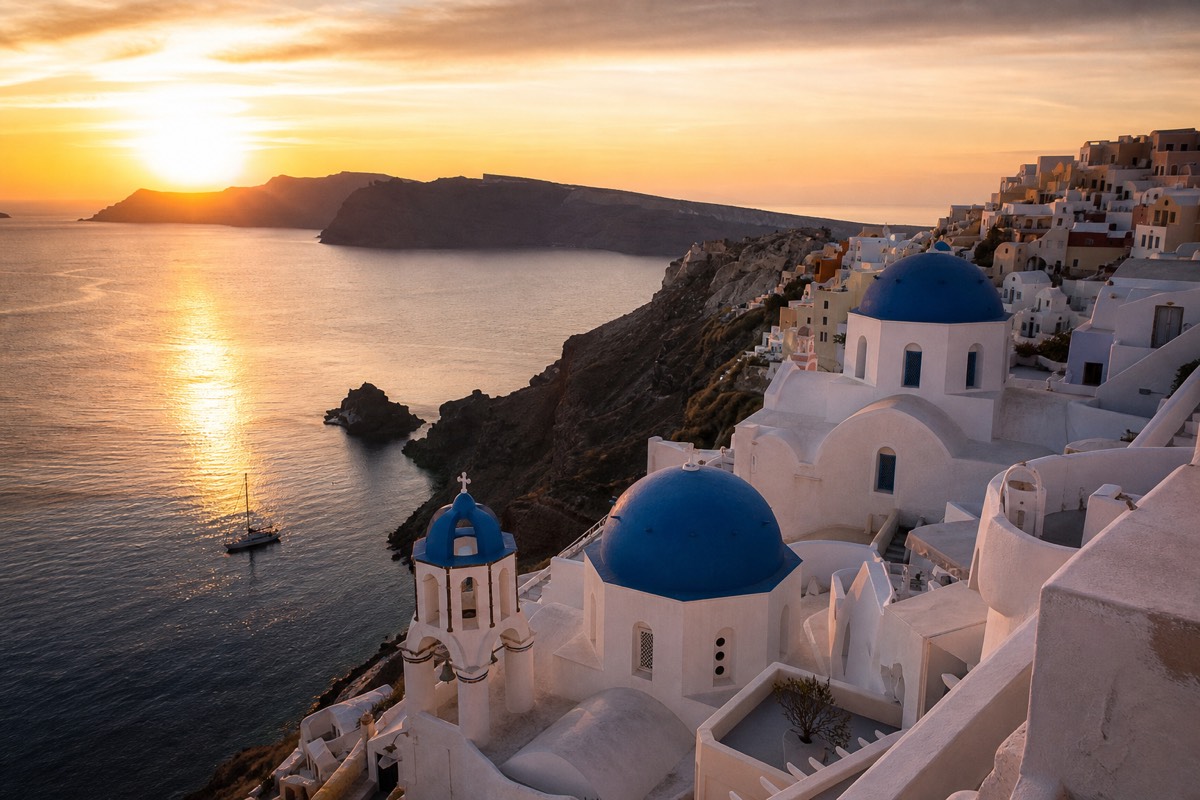
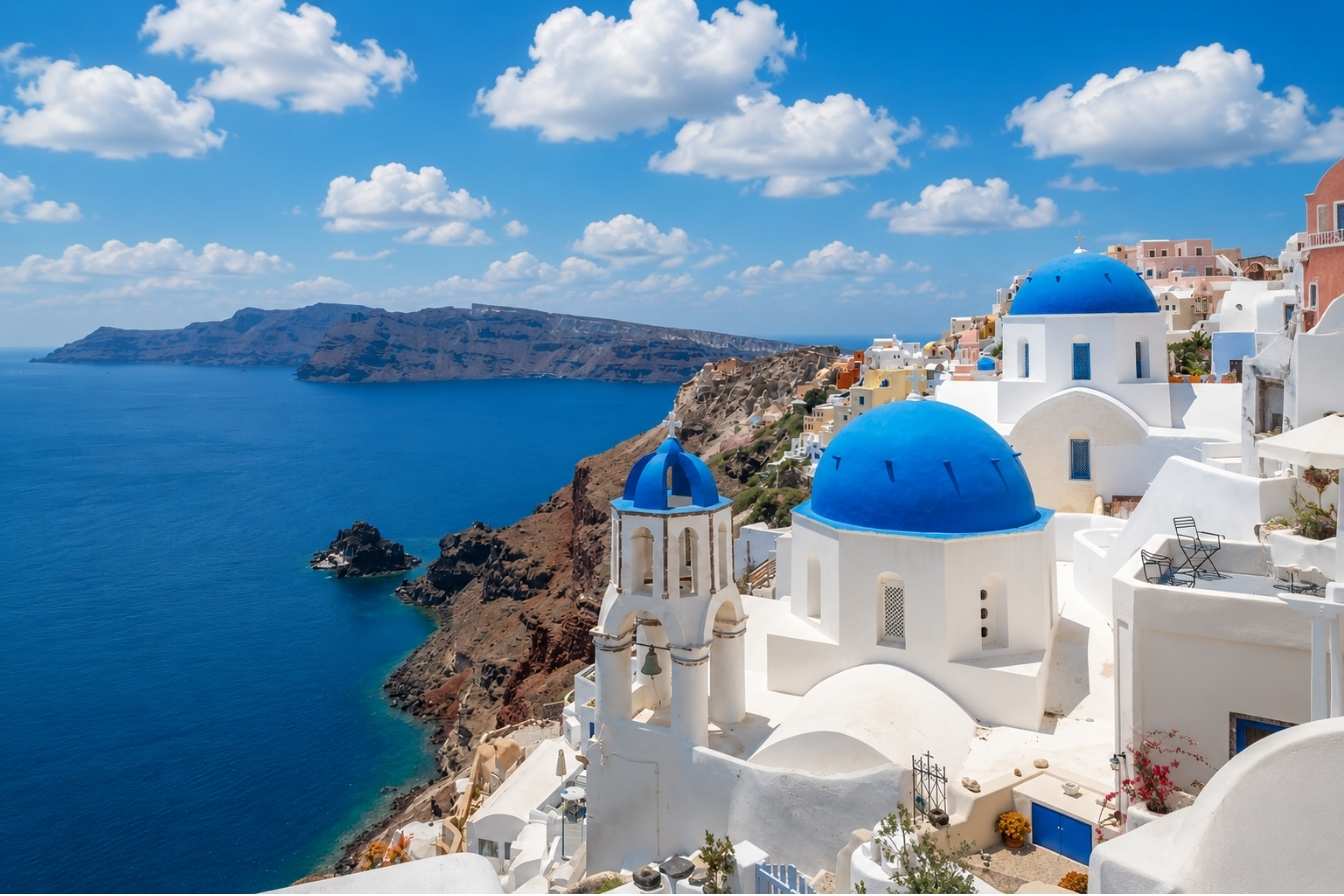
Santorini is the prettiest Greek island in the postcard sense, and it is not close: nothing else in the country matches the caldera, the white villages of Oia and Fira spilling down the cliffs, and the sunset that pulls a crowd every single evening. But if you define pretty as whitewashed lanes, turquoise coves and harbours without the summer crush, then Milos, Naxos, Paros and Symi are real rivals, and one or two of them may move you more once you step past the main square.
Prettiness here is partly about the kind of beauty you are after. Santorini sells drama, a flooded volcanic crater with towns balanced on the rim. The quieter Cyclades sell a softer, more human version, all bougainvillea and blue shutters and fishing boats pulled up on the sand. Neither is wrong, and the loveliest island for you depends on which of those pictures you already carry in your head.
Why Santorini Usually Wins The Prettiest Vote
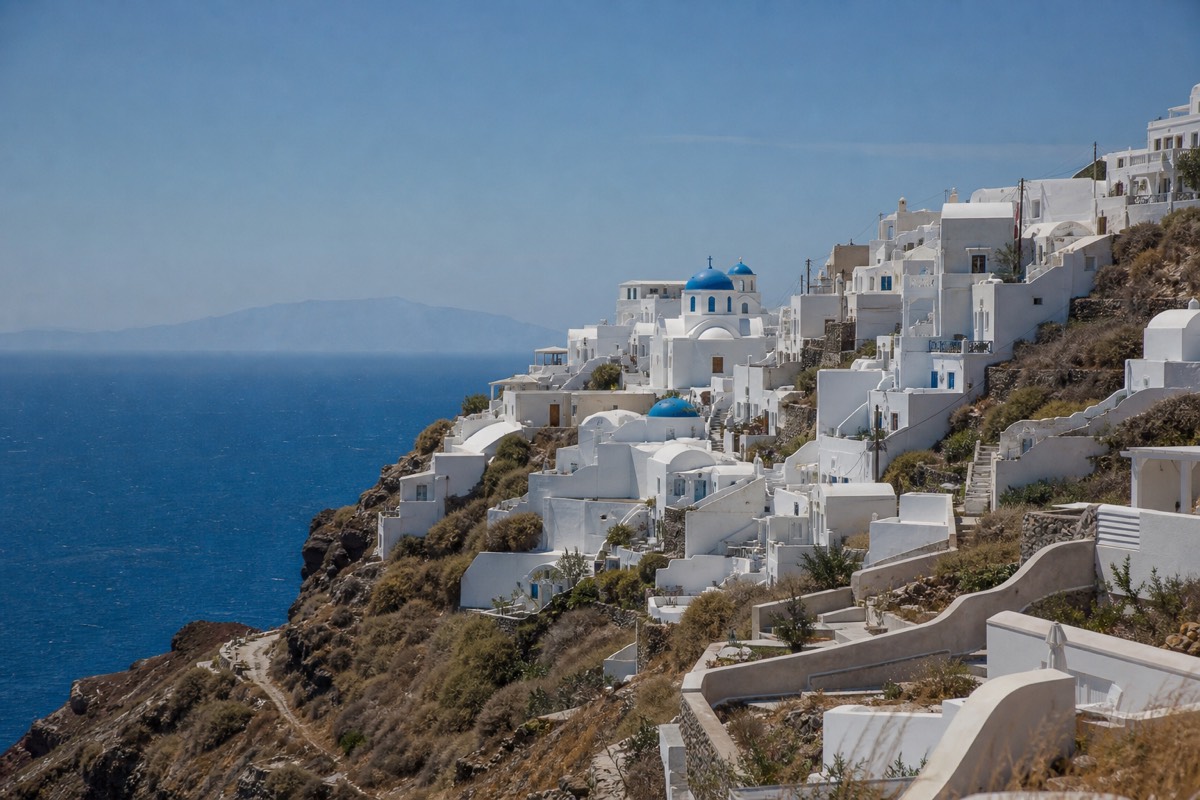
Santorini wins because its looks come from a real geological event: an ancient eruption sank the island's centre and left a ring of cliffs dropping hundreds of metres to the sea, with towns built along the rim. An ordinary balcony hands you a view most islands could not buy at any price, which is why it tops nearly every list.
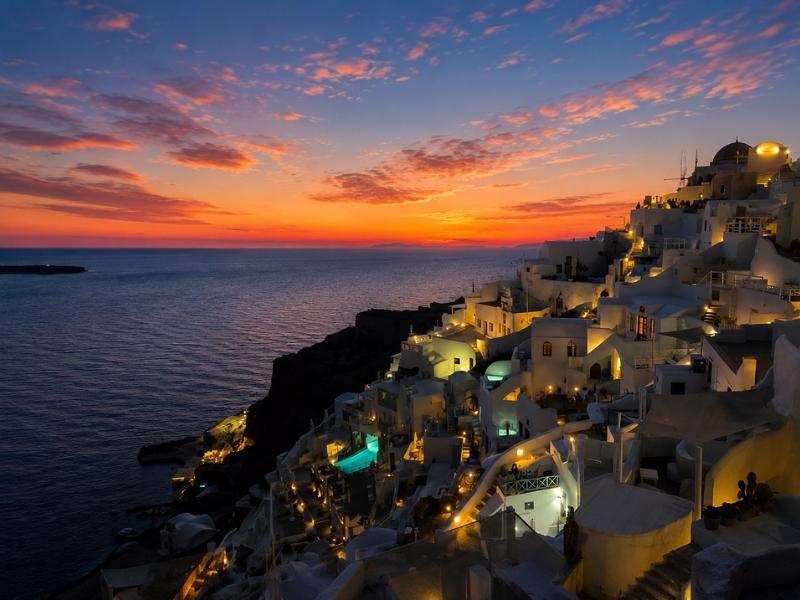
Oia is the star, its blue-domed churches and white cubes arranged as if for a camera, and the evening sunset over the caldera has become one of the most watched views in the Mediterranean. The volcanic geology also colours the beaches red and black, which no other Greek island offers in the same concentration. The travel resource Discover Greece features the caldera on more of its Cyclades pages than any other single sight.
It helps to know that the island has two very different faces. Fira, the capital, is the busier and louder half, with the cable car, the shops and most of the nightlife strung along the rim. Oia, further north, is quieter and more polished, where the blue domes cluster and the whole island seems to gather for the evening. Both look out over the same flooded crater, so where you base yourself sets the tone of the entire stay, and the photos you carry home tend to come from whichever one you slept in.
The catch is that everyone else has seen the same photos. In peak summer the Oia sunset can mean standing in a slow-moving crowd, which is why timing matters as much as the island itself. Our blog on how many days in Santorini covers when the views are calmest and how long you need to see them at a relaxed pace rather than in a scrum.
What Actually Makes A Greek Island Beautiful?
Three ingredients drive most people's sense of a pretty Greek island: the architecture, meaning whitewashed cube houses, blue domes and stone harbours; the coastline, whether that is cliff drama or clear coves; and the setting, the way a village sits against a hillside or a bay. Islands that stack all three rank highest, and the Cyclades stack them best.
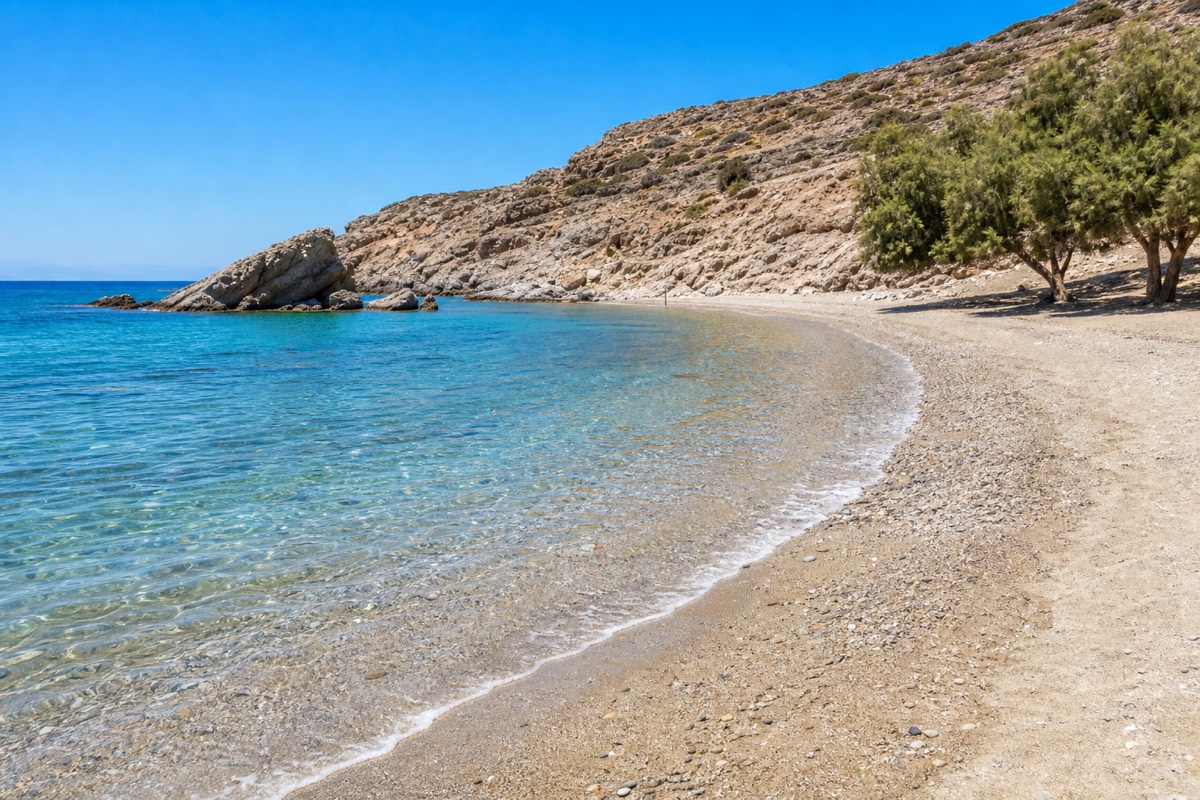
Understanding the ingredients helps you predict which island will move you before you go. If domes and lanes are what you love, the classic Cyclades deliver in every village. If it is coastline, volcanic islands like Santorini and Milos are unmatched. If it is the picture a harbour makes at dusk, the Dodecanese and the Saronic islands quietly outdo the famous names.
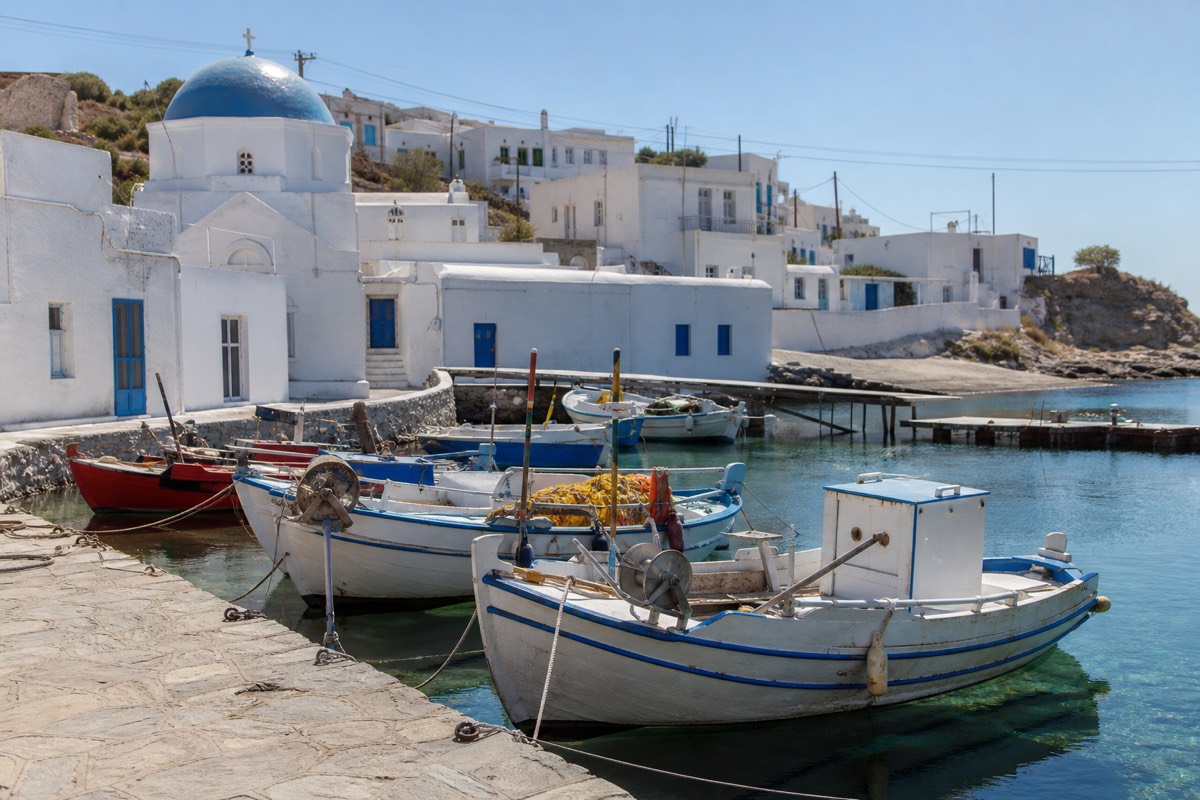
The famous blue-and-white palette is not an accident either. The whitewash keeps the houses cool under the Aegean sun and, as limewash, once doubled as a rough disinfectant on the walls, while the blue of the shutters and the domes reads as a deliberate echo of the sea and sky wrapped around the village. Add bougainvillea spilling over a white wall and a fishing boat pulled up on the sand, and you have the exact colour scheme most people mean when they call a Greek island pretty.
It also explains why the same island can underwhelm one traveller and floor another. Someone chasing cliff drama finds a low, sandy island flat and dull, while someone after calm coves finds Santorini's crowds exhausting. Deciding which ingredient you weight most is the fastest way to your own answer, and our overview of which Greek islands to visit sorts the islands by exactly this.
The Prettiest Greek Islands, Compared
Santorini leads for cliff drama, Milos for sculpted coastline, Naxos for the marble Portara and mountain villages, Paros for its whitewashed harbour town, and Symi for pastel harbour houses. Each is prettiest at a different thing, so the table below reads as a map of kinds of beauty rather than a single ranking.
| Island | Signature look | Best-known view | Crowds in peak summer |
|---|---|---|---|
| Santorini | Caldera cliffs, blue domes, white cube houses | Oia at sunset | Very high |
| Milos | Sculpted white volcanic coast, coloured coves | The lunar bay of Sarakiniko | Moderate |
| Naxos | Mountain villages and long sandy beaches | The marble Portara gate at dusk | Moderate |
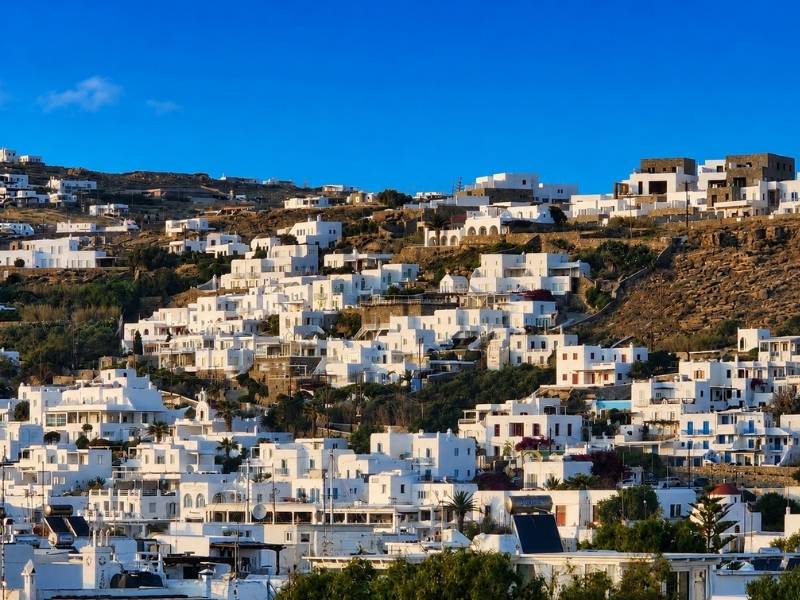
| Paros | Whitewashed lanes and a working harbour | Naousa harbour after dark | Moderate to high |
| Symi | Pastel neoclassical mansions round a bay | Gialos harbour from above | Low to moderate |
Milos is the island most first-timers have not considered and often love most, a coastline of white volcanic rock sculpted into swimming coves, with the pale bay of Sarakiniko as its signature. Naxos pairs long sandy beaches with mountain villages and the marble Portara framing the sunset, and Symi in the Dodecanese stacks pastel neoclassical houses around one of the loveliest harbours in the country.
Which Is The Prettiest Greek Island Without The Crowds?
If the goal is beauty without the crush, the quiet Cyclades beat Santorini on value and calm while getting most of the way there on looks. Paros carries the whitewashed-harbour charm at Naousa, Naxos has the beaches and the mountain villages, and Milos has the sculpted coastline, all inside the same ferry network as the famous islands.
The trick is that these islands sit close enough to Santorini and Mykonos that you can combine a calm base with a night or two of caldera drama, rather than choosing between beauty and peace. The table below pairs each famous island with a quieter lookalike and shows what you trade and what you keep.
| Famous island | Quieter alternative | What you trade | What you keep |
|---|---|---|---|
| Santorini | Milos | The single most iconic caldera view | Volcanic coast, coloured coves, calm |
| Mykonos | Paros | The biggest nightlife scene | Whitewashed lanes, a pretty harbour |
| Santorini for beaches | Naxos | Cliff-top hotels | Long sandy beaches, mountain villages |
| Rhodes old town | Symi | Size and big-island facilities | A quieter, arguably prettier harbour |
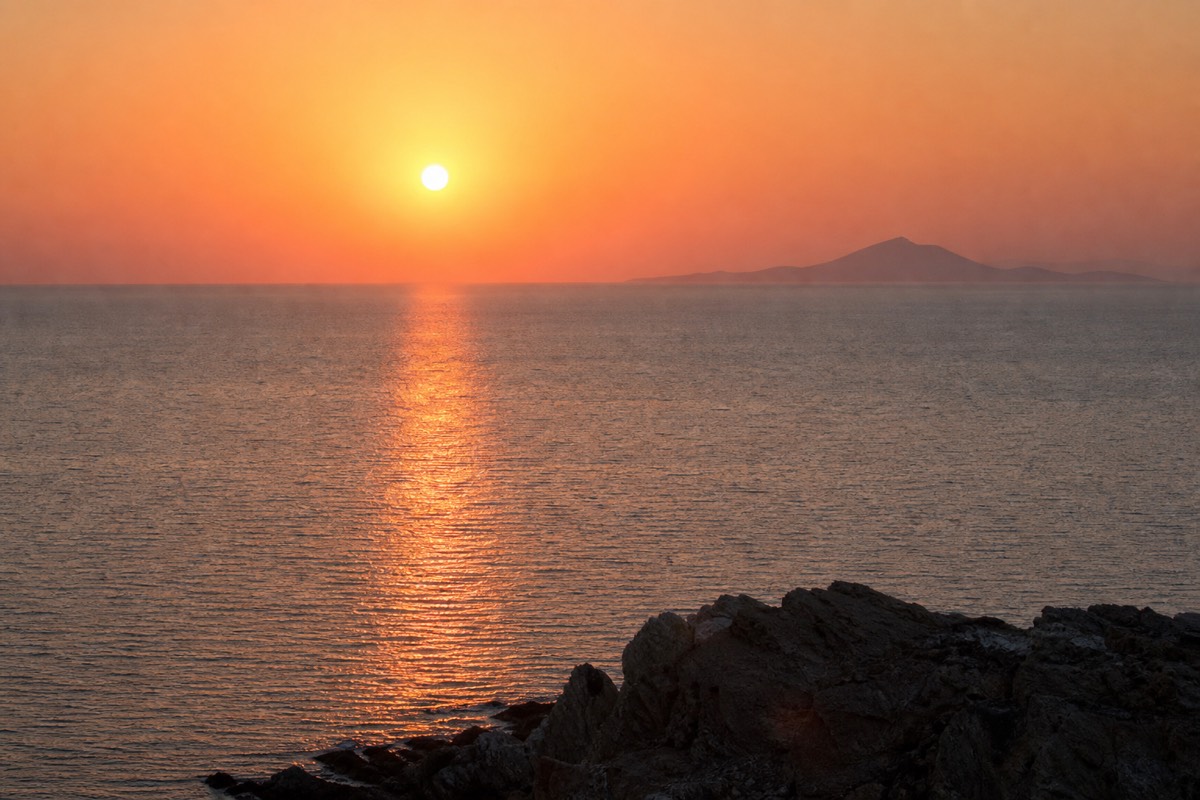
Timing does as much work as the island choice. Even Santorini is calm and lovely at eight in the morning or in the last week of September, so a quiet base paired with a well-timed visit to a famous island usually beats writing the famous island off altogether. The crowds are concentrated in a few hours of the day and a few weeks of the year, not spread evenly across the whole map, which means you can have the beauty and the peace on the same trip if you plan the clock as carefully as the route.
For a route that already does this, the nine-day Paros, Naxos and Santorini itinerary saves the caldera for the finale, so the trip builds from calm to spectacular instead of peaking on day two. If you are weighing the two big names against each other, the guide on Santorini or Mykonos compares them view by view.
Is Milos The Most Underrated Pretty Island?
Milos is the strongest case for the prettiest island nobody expects. Its coastline is a gallery of white and grey volcanic rock carved by wind and sea into swimming coves and moonlike shelves, most famously at Sarakiniko, and it stays far calmer than Santorini while offering a beauty that is stranger and more varied.
What sets Milos apart is range. In a single day you can swim off the pale rock of Sarakiniko, drift past the coloured cliffs and old fishing garages of Klima, and watch the sun drop from a village on the hill. The island has more than seventy beaches by most local counts, and no two look alike, which is a claim Santorini simply cannot make with its handful of volcanic strands.
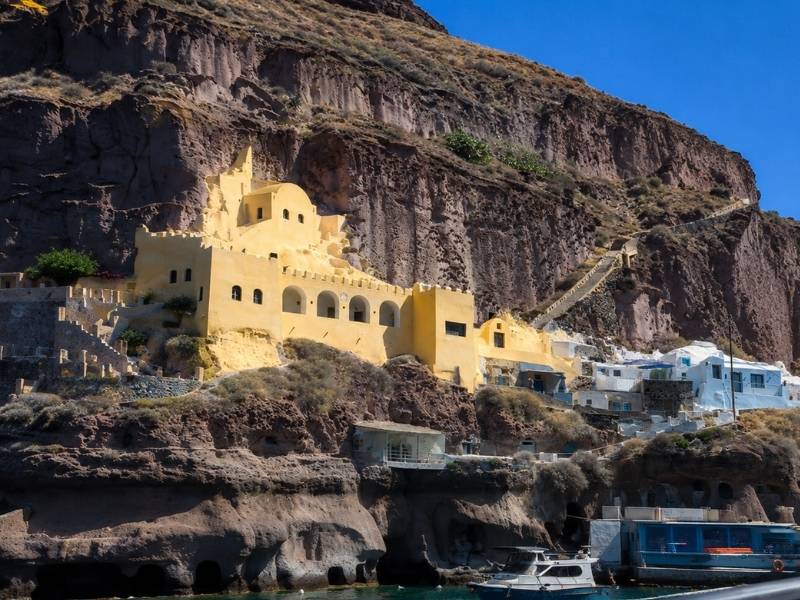
The best way to see the coloured coves is from the water. Small boats loop the island's south and west coasts to reach bays that no road touches, past the old pirate hideouts of Kleftiko, where white rock arches rise straight out of a bright turquoise sea and the caves cut back under the cliffs. It is the kind of half-day that quietly turns a pretty island into a favourite one, and it is hard to photograph badly.
The reason it stays under the radar is access: Milos is a slightly longer ferry from Athens and does not carry the same brand as its neighbour. That is exactly why it rewards the traveller who wants the postcard without the queue. Pair it with a calm island like Naxos and you have a whole trip of quiet beauty, which the best island for a first trip discussion suggests is the smarter shape for a newcomer than chasing fame alone.
Which Greek Islands Have The Prettiest Villages And Harbours?
For sheer harbour beauty, Symi and Hydra lead: both build tiers of stone and pastel houses around a working bay, and on car-free Hydra nothing breaks the spell. Naousa on Paros and the hill town of Naxos add the classic whitewashed-lane version, so the prettiest village is really a choice between harbour theatre and Cycladic calm.
Beyond the Cyclades, a handful of islands are prettiest right at the waterline, less about beaches and more about the picture a harbour makes at dusk. They photograph beautifully and stay calmer than the headline islands, and they are the answer for anyone who finds cliff drama a little cold.
| Island or town | Harbour signature | Best light | Cars on the island? |
|---|---|---|---|
| Symi (Dodecanese) | Pastel neoclassical mansions rising round the bay | Late afternoon from above | Few, walkable core |
| Hydra (Saronic) | Stone amphitheatre of a port, no cars | Early evening | None, donkeys and boats |
| Naousa (Paros) | Whitewashed lanes and a Venetian breakwater | After dark, lit tavernas | Yes, but a walkable centre |
| Naxos Chora | Castle hill above a working port | Sunset behind the Portara | Yes |
Do not overlook the inland villages either. Most Cyclades islands hide an old hilltop capital, the local Chora, built back from the coast in the centuries when pirates made the shoreline dangerous. These tangles of white lanes, low arches and tiny squares are often prettier and far quieter than the harbours below them, and they cost nothing to wander at dusk once the day boats have gone and the light turns gold on the walls.
Hydra is the easy add for anyone short on time, since it sits close to Athens in the Saronic Gulf and needs no flight or long ferry. Symi asks for more effort out in the Dodecanese, and pays it back with a harbour many travellers rate the single prettiest sight in Greece.
Which Greek Island Is Prettiest In Each Season?
Spring dresses the islands in wildflowers and green hills, which flatters the quieter Cyclades most; high summer bleaches the landscape but lights the whitewash and the sea to their brightest; and autumn keeps warm light with thinner crowds, the best season to photograph Santorini without a queue.
The prettiest island can change with the calendar, because the same village reads differently under spring green than under the hard white light of August. If your idea of pretty leans lush, travel early; if it leans blue-and-white contrast, high summer delivers it, at the cost of crowds and heat.
| Season | How the islands look | Light for photos | Crowds |
|---|---|---|---|
| April to early June | Green hills, wildflowers, clear air | Soft, warm, long golden hours | Low to medium |
| July to August | Bleached hills, brilliant whitewash and sea | Harsh at midday, strong at sunset | Very high |
| September to mid-October | Warm tones, calm sea, thinning crowds | Excellent, best for Santorini | Medium |
Autumn is the quiet favourite for anyone chasing the caldera shot, since the light stays warm while the summer crowds fade. For the fuller month-by-month picture, including which islands hold their looks and their services latest, our guide on the best time to visit Greece breaks it down, and the seasonal notes from Visit Greece line up with it.
How Do The Prettiest Islands Compare By Trip Type?
Photographers and honeymooners are best served by Santorini for the drama, or Milos for something rarer; couples after calm beauty lean Naxos or Paros; and travellers who love a harbour scene should build around Symi or Hydra. The prettiest pick tracks the trip, not a single winner that suits everyone.
Once you know what kind of trip you are taking, the prettiest island almost chooses itself. The grid below matches traveller to island so you are not stuck comparing apples to volcanoes.
| Traveller | Prettiest pick | Runner-up | Why |
|---|---|---|---|
| Honeymooners | Santorini | Milos | Caldera sunsets and romantic hotels |
| Photographers | Milos | Symi | Rare coastline and colour few have shot |
| Calm-seeking couples | Naxos | Paros | Beaches and villages without the crush |
| Harbour lovers | Symi | Hydra | Pastel and stone ports at dusk |
Honeymooners in particular tend to want the last and prettiest stop saved for the end of the trip, and our guide to a Greece honeymoon explains why Santorini so often earns that closing slot. If your worry runs the other way, that you will pick a place that underwhelms, the honest counterpoint on which islands to skip for your trip is worth a look before you book.
How Do You Build A Trip Around The Prettiest Islands?
String two or three photogenic islands along a single ferry corridor and save the most dramatic for last, so the trip climbs toward its best view. A calm, pretty base like Naxos or Milos in the middle, then Santorini at the end, gives you variety, quiet and the postcard finale without a scramble.
The mechanics matter as much as the choices. Book the crossings in an order that moves you steadily outward and lands you in Santorini for the finish, rather than doubling back. Give the finale island the extra night, because that is where you want time for the sunset to go wrong once and still work the next evening.
Two or three islands is the right ceiling for most trips. Four starts to feel like a ferry timetable with a holiday bolted on, since every move costs a check-out, a crossing and a check-in that all land on the same morning. If you do have time for a fourth, spend it as extra nights on the islands you already chose rather than adding another name to the list, so the trip stays about the views and not the packing.
If sequencing ferries and matching hotels to each island sounds like the least pretty part of the plan, it usually is. The eleven-day semi-guided island-hopping route already threads five Cyclades in a sensible order, and our island-hopping route guide shows how to build your own version so the prettiest stops line up the way the postcards promise.
If piecing each leg together yourself sounds like work, Greece Tour Packages bundles the same islands into one set itinerary you can just show up for.