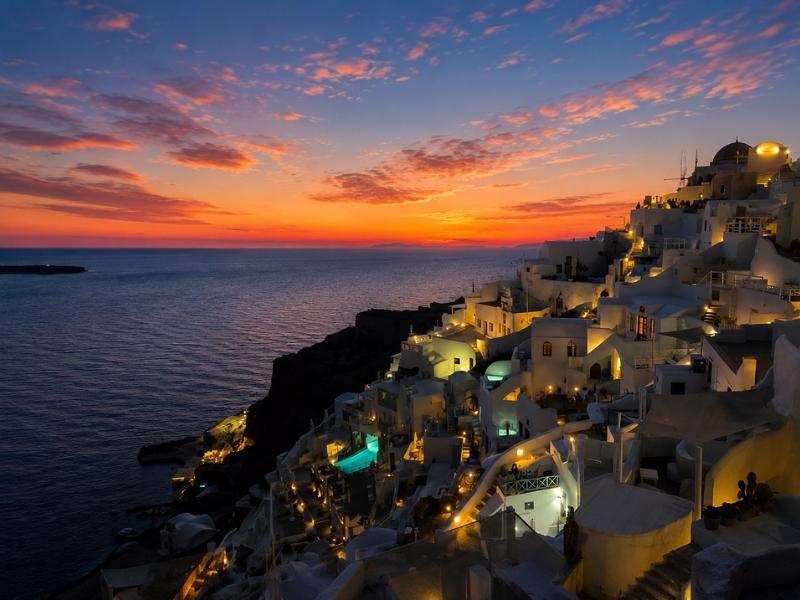
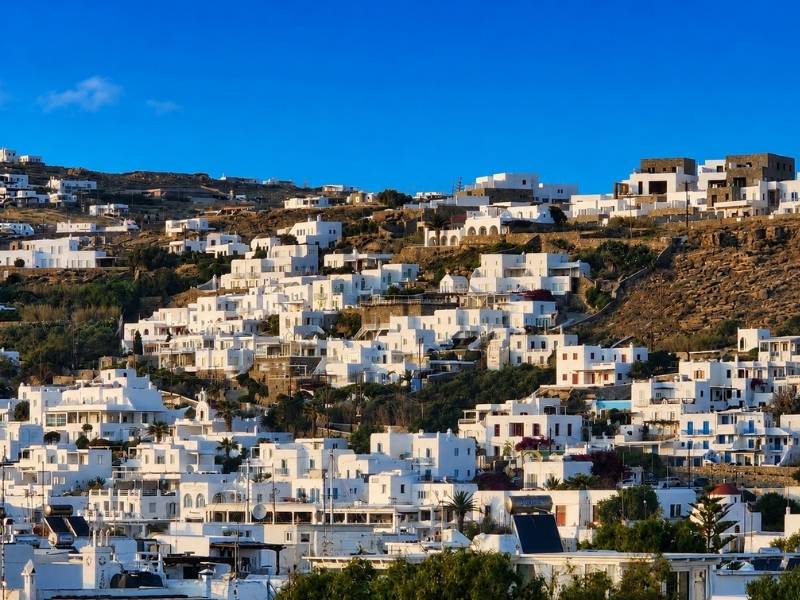
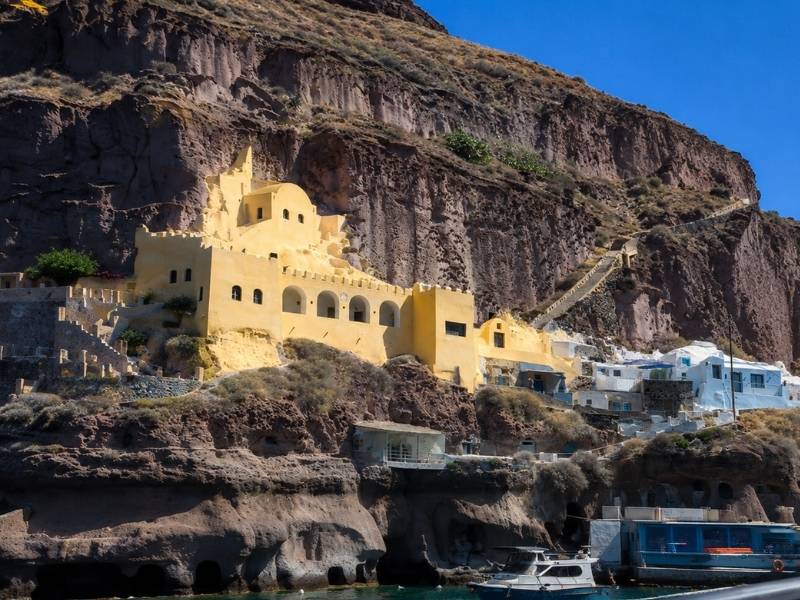
What Is the Best Month for Greek Island Hopping? (2026)
Ask ten seasoned island-hoppers for the ideal month and most will land on September, with late May and June close behind. The reasoning is the same each time: warm sea, thinner crowds, gentler prices, and ferries still running their full timetable.
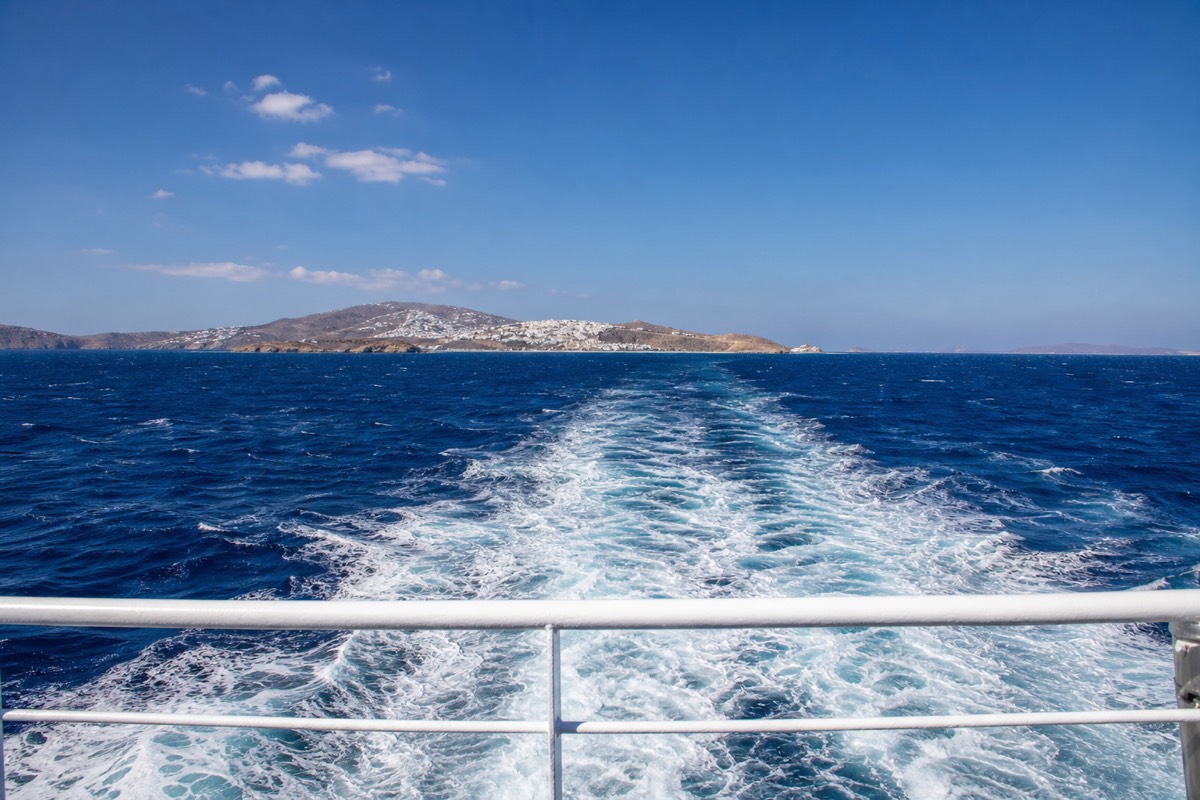
For most island-hopping trips the single best month is September, with late May and June the closest runners-up. September keeps the warm, swimmable sea that August built up, while the crowds, prices and port queues all ease off after the peak, and the ferries are still running their full summer schedule. May and June hand you the calmest weather and thinnest crowds of the warm season, just with a sea that is still catching up early on.
Why Does September Usually Win For Island Hopping?
September wins because it layers a still-warm sea onto post-peak calm: the water is at or near its yearly warmest, hotels and ferries have space again, prices slide down from the August ceiling, and almost everything on the islands is still open. The Aegean is slow to heat and slow to cool, so it holds late-summer warmth well into the month and often into early October. Once the European school holidays end in the first days of September, the crowds thin noticeably, the sunset terraces breathe again, and the same rooms cost less than they did two weeks earlier. Days are still long enough to string two or three stops together without feeling rushed. Restaurants that turned tables all summer suddenly have room for a walk-in, the boat you want is not sold out days ahead, and the beaches that felt like a scrum in August have space for a towel again. The trade-off is small and comes late: by the final week of the month the light softens, the sea begins its slow cool-down, and a few of the smallest islands start trimming their schedules. It is the same shoulder-season logic behind the best time to visit Greece overall, applied to a trip that lives or dies by ferries and beaches.
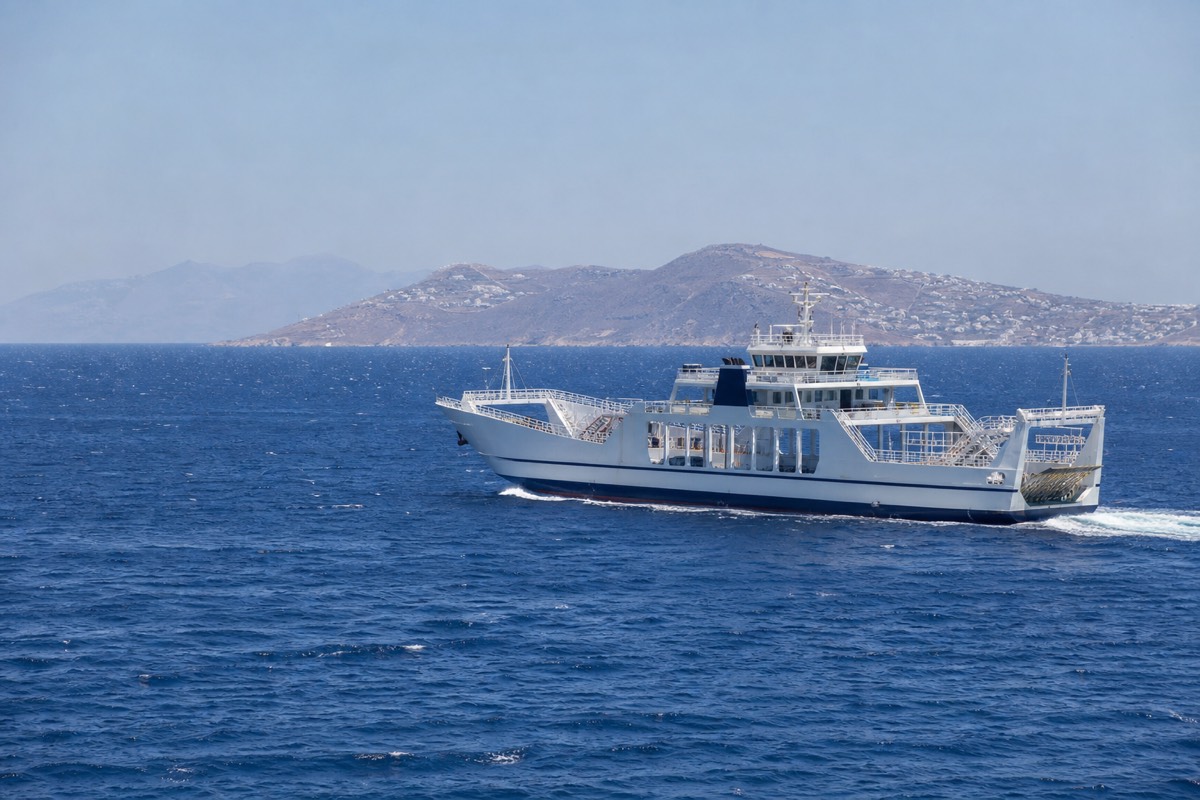
How Do The Island-Hopping Months Compare?
Treat the table below as planning allowances, not guarantees: it weighs each warm-season month on the four things that make or break a hopping trip. Sea temperature, crowd levels, ferry frequency and price rarely all peak in your favour at once, which is exactly why the shoulder months stand out.
| Month | Sea | Crowds | Ferries | Price | Verdict |
|---|---|---|---|---|---|
| May | Cool but swimmable | Low | Building up | Good value | Calm, quiet hopping |
| June | Warming fast | Low to medium | Full timetable | Good value | Excellent all-rounder |
| July | Warm | High | Full, windy | High | Hot and busy |
| August | Warm | Very high | Full, windy | Highest | Avoid if you can |
| September | Warmest | Medium | Full timetable | Good value | Best overall |
| October | Cooling | Low | Winding down | Low | Quiet, some closures late |
The pattern is hard to miss: July and August buy you a warm sea at the cost of crowds, wind and price, while May, June and September give you three of the four with only a small compromise on the fourth. The one caveat sits at the shoulder edges. Early May can still throw a cool, blustery day, and late October is a gamble on the smaller islands, so both reward flexibility over a fixed beach plan.
The reason the shoulder months keep winning this comparison is that the four factors do not move together. Sea temperature peaks late, in August and September. Crowds and prices peak in the school-holiday middle, July and August. Ferry frequency is flat and full from June through September. Line those curves up and the overlap where the sea is warm but the crush has gone is narrow, and it lands squarely on September, with a second, cooler-water version of the same trick in late May and June.
When Does The Meltemi Wind Matter For Hopping?
The meltemi, a strong northerly Aegean wind, blows from roughly June to September and is strongest in July and August, and on rough days it can delay or cancel fast ferries on exposed Cyclades routes. Larger conventional ferries handle the chop far better than the sleek high-speed catamarans, so a windy forecast is a reason to prefer the slower boat, not to abandon the day. Shoulder months tend to be calmer on the water, one more mark in September's favour. If you are hopping in high summer, build a buffer into every connection, check the national marine forecast the evening before, and look at how ferries and flights trade off for your longer legs. It also pays to book the sailings you need ahead of time, since the reliable departures fill first. Live timetables on a service like Ferryhopper show which routes run daily and which only a few times a week.
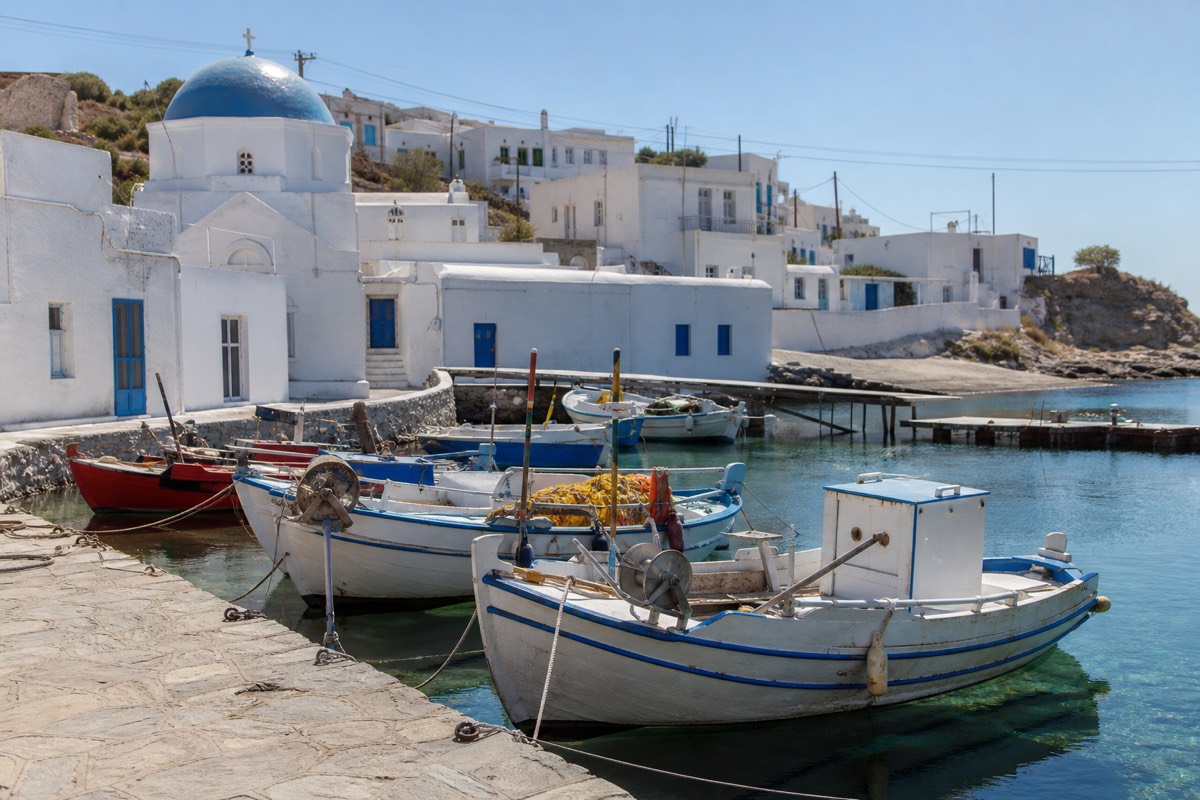
The wind is not evenly spread across the season, which is why the same fast catamaran feels flawless in June and skittish in August. The table sets the disruption risk against the month so you can decide when to build in slack and when a tight connection is a fair bet.
| Month | Meltemi strength | Fast-ferry disruption risk | Better boat on rough days |
|---|---|---|---|
| May | Light | Low | Either |
| June | Building | Low to moderate | Either |
| July | Strong | Moderate to high | Larger conventional ferry |
| August | Strongest | High | Larger conventional ferry |
| September | Easing | Low to moderate | Either |
| October | Light, autumn systems | Low early, rising late | Larger conventional ferry |
What the wind rarely does is ruin a whole trip. It closes a specific fast crossing on a specific rough afternoon, and the fix is almost always a slower boat or a shifted departure rather than a cancelled holiday. The people who get caught are the ones with a single tight connection and no slack behind it. Give every summer hop a spare hour and a plan B, and the meltemi turns into background noise, the thing that cools the beach rather than the thing that strands you at a gate.
How Warm Is The Sea Each Month For Swimming?
The Aegean warms slowly and cools slowly, so it lags the calendar by a month or so. As a broad allowance it sits in the mid-60s Fahrenheit (about 18 to 19 Celsius) in May, climbs through the low 70s in June and July, peaks near the high 70s (about 25 Celsius) in August, and holds most of that warmth right through September.
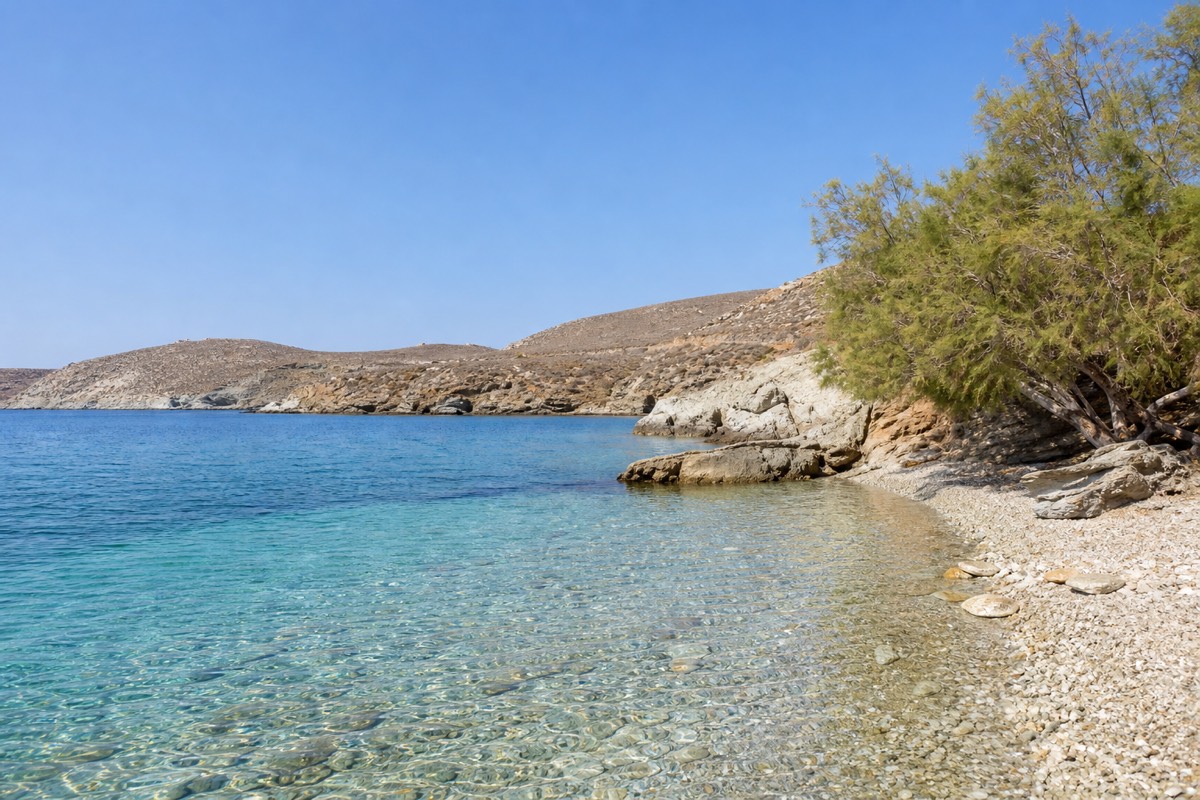
This lag is the whole reason September out-swims May even though the air can be similar. May is warming water that started the spring cold; September is cooling water that spent all summer soaking up heat. The figures below are planning allowances rather than a promise for any given week or bay, since a shallow south-facing cove runs warmer than an exposed north-facing beach on a windy day.
| Month | Typical sea allowance | Swimming |
|---|---|---|
| May | About 18 to 19 C (mid-60s F) | Bracing, fine for keen swimmers |
| June | About 22 to 23 C (low 70s F) | Comfortable, warming daily |
| July | About 24 C (mid-70s F) | Warm |
| August | About 25 C (high 70s F) | Warmest of the year |
| September | About 24 C (mid-70s F) | Still warm, the sweet spot |
| October | About 21 to 22 C (low 70s F) | Cooling, but swimmable early |
If swimming is the point of the trip, weight your dates toward late July through September and you can barely go wrong. Santorini adds its own wrinkle here, since its beaches are volcanic and its swims are more about the setting than soft sand, which is one reason how long Santorini deserves is a different question from how many beach days it offers.
One practical note for the edges of the season: the temperature you read for a month is an average, and mornings run cooler than afternoons because the surface sheds heat overnight. In May and October that gap is enough to matter, so the easy swims tend to come after lunch once the sun has worked on the shallows. Sheltered south-facing bays also sit a degree or two warmer than exposed northern beaches on a breezy day, which is worth knowing when the wind is up and you are hunting for a comfortable dip.
What Do Crowds And Prices Look Like Month By Month?
Crowds and prices track the European school holidays, not the weather. They climb from June, peak hard through late July and August, then drop fast once term restarts in early September. In the shoulder months you book rooms and ferries days ahead instead of weeks, and the same terrace table costs noticeably less.
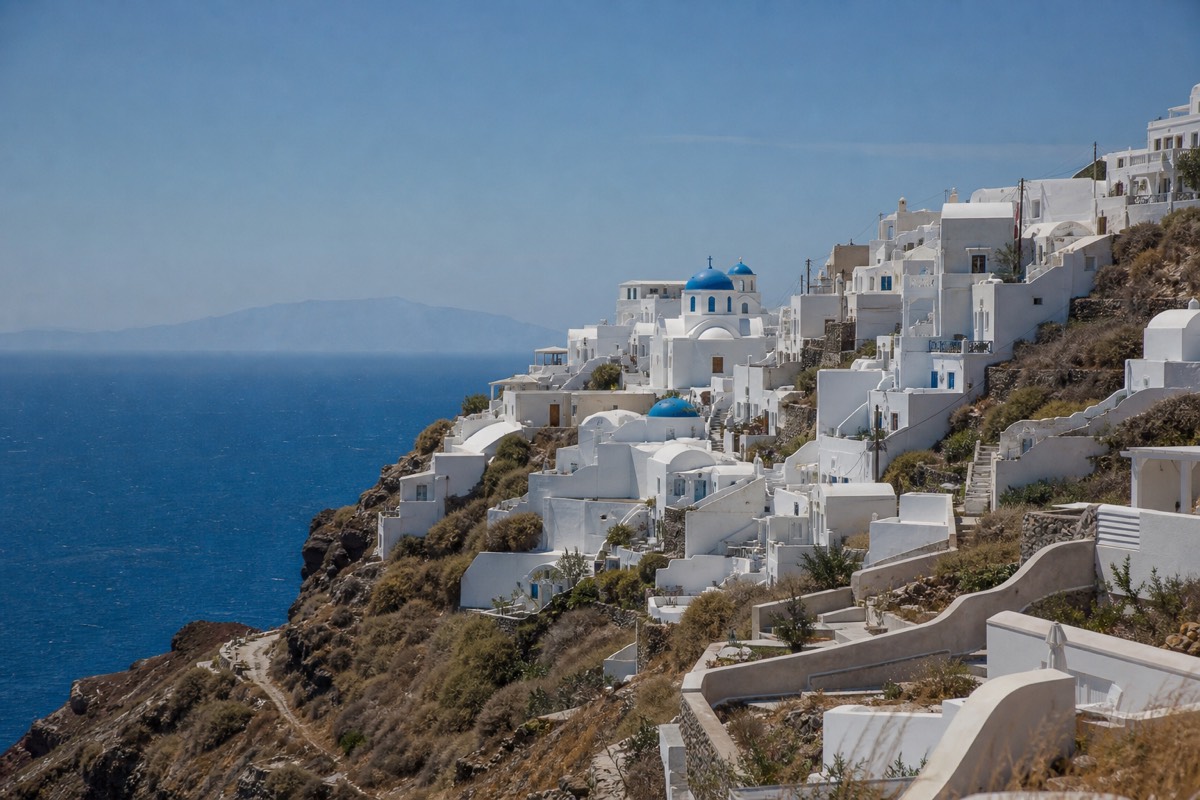
This decoupling of weather from crowds is the hopper's best friend. Early September has August's sea and June's breathing room. Late May has warm-enough days at spring prices. The lead times below are the practical tell: when you can book a good room a few days out, you are travelling in a buyer's market, and when you are booking three weeks ahead just to get a cabin, you are paying the peak.
| Month | Crowds | Prices | Typical booking lead time |
|---|---|---|---|
| May | Low | Good value | A few days |
| June | Low to medium | Rising | About a week |
| July | High | High | Two to three weeks |
| August | Very high | Highest | Three weeks or more |
| September | Medium, easing | Sliding down | About a week |
| October | Low | Low | A few days |
Timing the crowd is half of avoiding the classic errors: most of the common island-hopping mistakes cluster in the peak weeks, when the pressure on ferries and rooms leaves no slack for a plan that goes sideways.
There is a quieter cost to the peak that the price columns miss: the friction of a place running flat out. In August the good tables need booking, the popular beach fills by mid-morning, the hire car should have been reserved a month back, and the sunset spot in Oia is a scrum an hour before the sun drops. In September the same island simply works. Walk-ins get seated, boats have space, and the staff have the bandwidth to be generous with a recommendation. That ease is worth as much as the euros you save.
Is May Or June Ever Better Than September?
Yes, when your priority is calm and quiet over warm water. May and June bring the most settled weather, the wildflowers still out on the bigger islands, and the thinnest crowds of the warm season, with a sea that is cool in May and pleasant by June. Choose spring for the atmosphere, September for the swimming.
The honest split is this. September is the connoisseur's month if you are in the water every day and want warm evenings for late dinners outside. May and June are the answer if you would trade a slightly cooler sea for empty paths, lower prices and the softest light of the year. June, in particular, is the quiet overachiever: the sea is comfortable, the days are the longest of the year, the full ferry timetable is running, and the August crush has not arrived. If you are still choosing where all that calm is best spent, our take on which islands to combine and the pick for the best island for a first visit both work especially well in these gentler months, when even the popular names have room to breathe.
There is also a light-and-landscape case for spring that photos never quite capture. In May and June the islands are still green from the winter rains, the hillsides carry wildflowers, and the low humidity gives the whole Aegean a clarity that hazy August loses. By late summer the same slopes have baked to gold and dust. If you care more about how a place looks and feels on a walk than about long swims, spring quietly wins, and it does it at the lowest prices of the warm season.
How Should Your Route Change With The Month?
In high summer, lean on the biggest, best-connected islands and the larger conventional ferries, and build a buffer into every crossing, because the meltemi disrupts fast boats most in July and August. In the shoulder months you can add smaller, quieter islands and trust tighter connections, since the sea is calmer and the sailings still run their full timetable.
The route is not a fixed thing you carry across the whole season, it flexes with the wind and the calendar. A July plan should be conservative: fewer hops, bigger boats, a spare night before the flight home. A June or September plan can be more adventurous, reaching for a smaller island or two and stringing them with confidence. October flips that logic again. The sea is still swimmable early, but the smallest islands begin winding down, so a late-autumn route should stay on the well-connected spine of the Cyclades rather than gambling on a tiny harbour that may have already closed for the season.
Group size and travel style pull the same lever. A couple travelling light can improvise around a windy forecast in any month, swapping a fast boat for a slow one on the day. A larger group, or anyone with young children and a fixed number of nights, needs the July and August playbook even in June: bigger islands, bigger boats, fewer moves, more buffer. The rougher the edges of your trip, whether that is tight dates, a big party or a hard flight deadline, the more you should travel as if it were high summer regardless of what the calendar says.
Which Month Fits Your Priorities?
Chase the warmest sea from late July to September, chase the fewest crowds and best prices in May, early June and October, and if you want both warm water and elbow room, September is the compromise that wins. Match the month to the one thing you care about most and the choice makes itself.
| Your priority | Best month or months |
|---|---|
| Warmest sea for swimming | Late July to September |
| Fewest crowds | May, early June, October |
| Best prices with things still open | May and early October |
| Best all-round balance | September, then June |
One honest caveat sits behind the whole table: a single week can defy its month. A May with an early heatwave can out-swim a cool, blustery September, and the wind can lie down for ten days in August or blow hard for a week in June. These are the odds, not a forecast. Book the month that stacks the probabilities your way, then hold the plan loosely enough to enjoy whatever that particular week actually hands you.
Once you have the month, pair it with a sensible hopping route and steer clear of the peak weeks worth avoiding. A fixed route such as the nine-day Cyclades island-hopping trip pins the dates and the crossings for you, which removes the guesswork from the busiest months. If you would rather have the month, the route and the ferries all chosen and booked, the packages at Greece Tour Packages set the schedule and handle the logistics start to finish. For festival and event dates that might shape your week, the official Greek tourism board keeps the calendar.