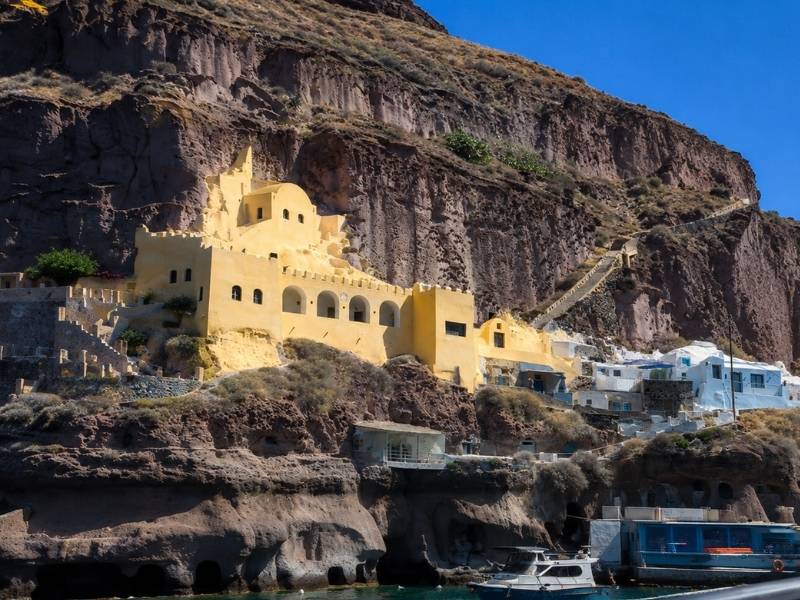
10 Days in Greece: The Ideal Itinerary
Ten days is the length most travellers settle on once they start pricing a Greece trip against a calendar. It is long enough to give Athens its due, spend real time on two islands, and still keep a spare day or a third island in reserve. Here is how the ten days actually break down, port by port.
What does the ideal 10-day Greece itinerary look like?
Ten days is the length most people call the sweet spot for Greece: two nights in Athens, then two Cyclades islands with three nights each, and a spare travel day at either end. The classic run is Athens, Mykonos and Santorini, with Paros or Naxos slotting in for anyone who wants a quieter fourth stop.
The trip almost always starts and ends in Athens, because that is where the international flights land and where the ferries leave from. From there the pattern is simple: give the capital two full days, take a morning boat out to the first island, string two islands together by sea, then come back to Athens for the flight home. That shape is exactly what the multi-day operators build, and it is the reason ten nights books more consistently than any other single length on this site.
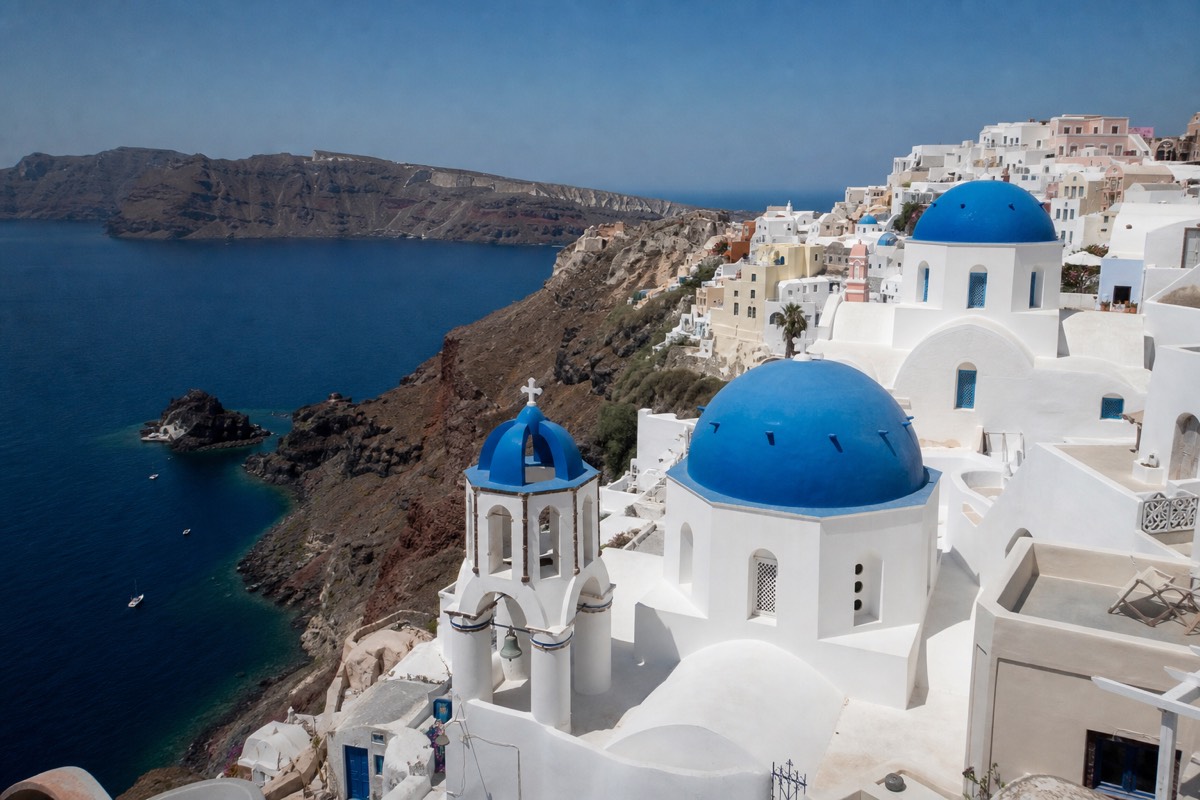
The version below is the balanced one. It keeps Athens honest with two nights, gives each island three, and puts the caldera boat trip and the Oia sunset on separate days so neither gets rushed. If you would rather add a guided layer, the ten-day Athens, Mykonos and Santorini tour with three guided days follows this same skeleton with local guides in Athens, Mykonos and Santorini and the logistics handled for you.
| Day | Base | The plan |
|---|---|---|
| 1 | Athens | Arrive at Athens airport, transfer in, settle. Evening walk and dinner in Monastiraki below the lit Acropolis. |
| 2 | Athens | Acropolis at the 8am opening, then the Acropolis Museum, the Ancient Agora and the Temple of Hephaestus, closing on Plaka. |
| 3 | Mykonos | Morning ferry from Piraeus. Check in, then an easy afternoon on a beach or in Little Venice. |
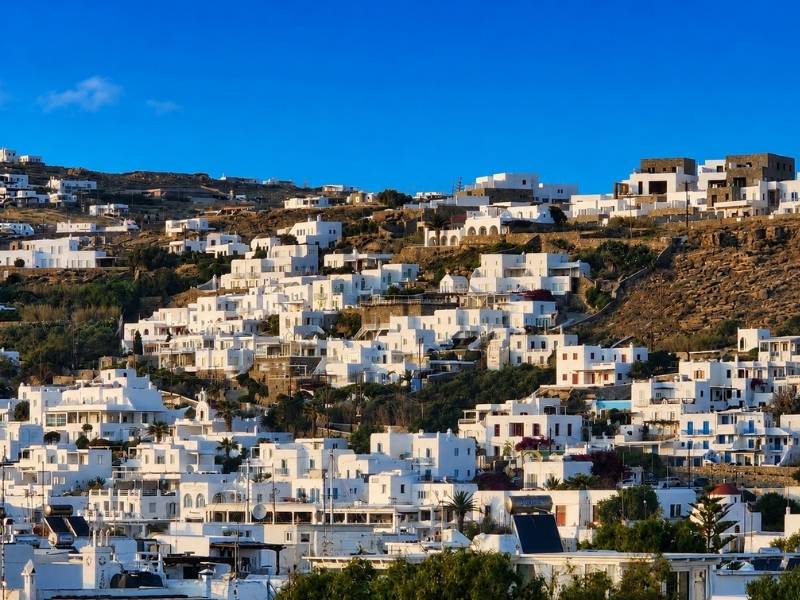
| 4 | Mykonos | Chora, the windmills and Paraportiani church, the inland village of Ano Mera, or a boat to the ruins on Delos. |
| 5 | Mykonos | A full free day for the south-coast beaches, Matoyanni Street and a long lunch. |
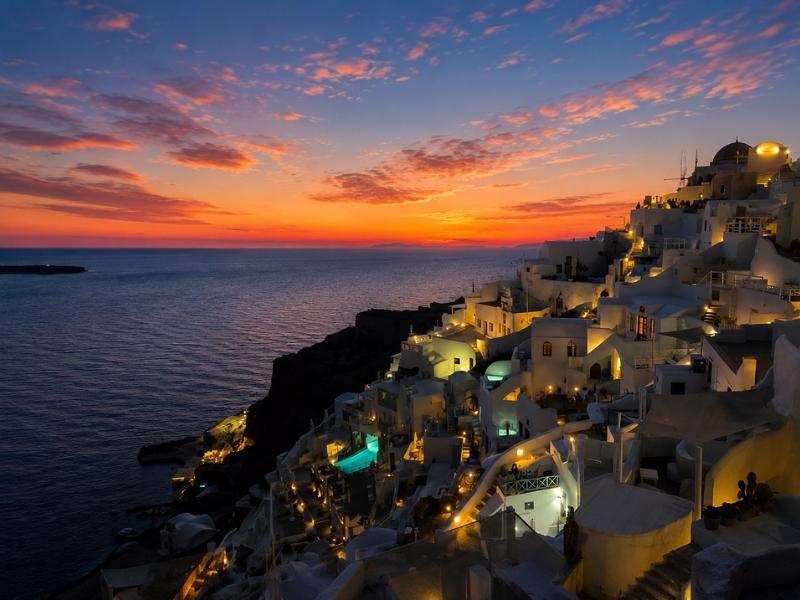
| 6 | Santorini | Fast ferry south. Climb the caldera road, settle in Fira or Oia, first sunset. |
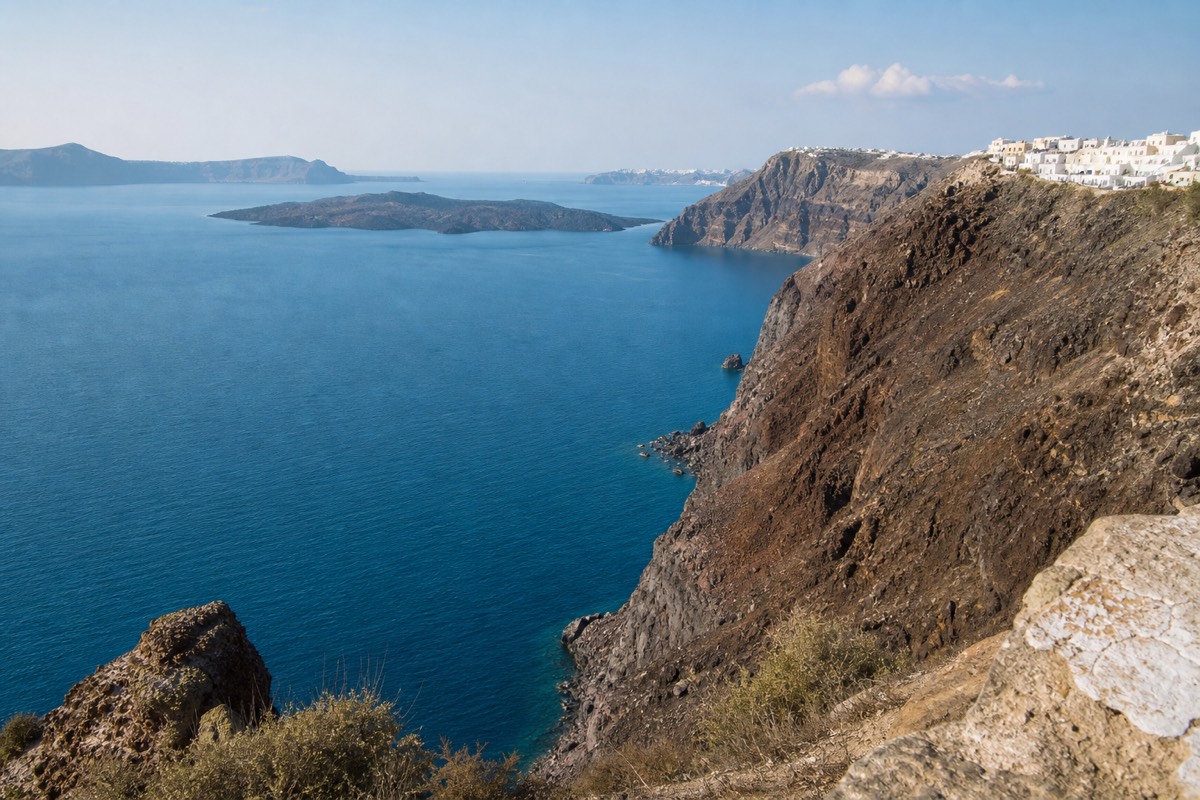
| 7 | Santorini | Caldera boat trip to the Nea Kameni volcano and the Palea Kameni hot springs. |
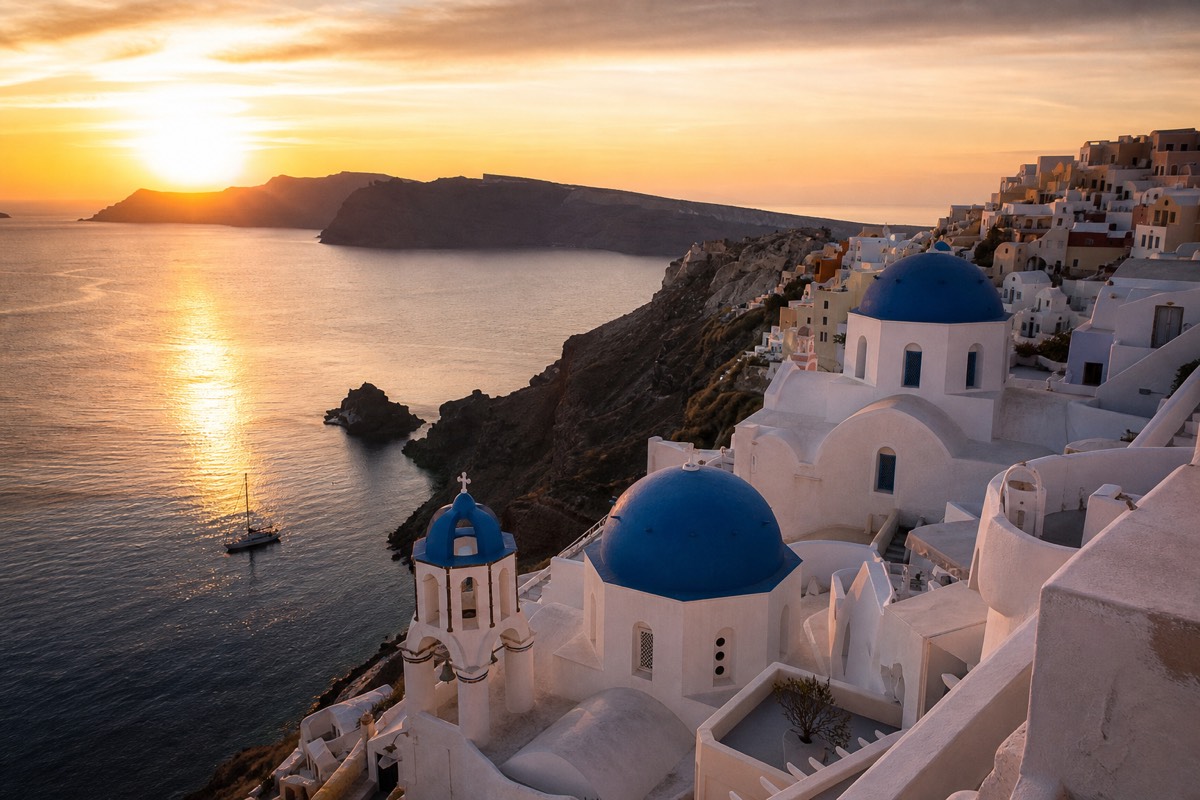
| 8 | Santorini | Akrotiri, a winery tasting, a black-sand beach at Kamari or Perissa, then the Oia sunset without a ferry to catch. |
| 9 | Athens | Fly or take the fast ferry back to Athens. Last dinner in the city. |
| 10 | Depart | Transfer to the airport for the flight home. |
Two details make or break this route. The first is protecting the Athens days at the start rather than treating the capital as an airport with a monument attached. The second is flying, not sailing, the last leg from Santorini if your onward flight is anywhere near the same evening, because the conventional ferry docks in Piraeus close to midnight.
Build the trip around an arrival buffer if the flights allow it. The metro from Athens airport reaches Syntagma in the city centre in about 40 minutes, and a taxi on the fixed airport tariff runs roughly 40 to 50 euros, so even an evening landing leaves time to check in and eat. Arriving the day before the sightseeing starts, rather than the same morning, is the small move that keeps the first Athens day from being a jet-lagged blur.
How many islands realistically fit in ten days?
On ten days, two islands is the comfortable number and three is the practical ceiling. Athens earns two nights, each island earns three, and every hop swallows a half-day at the port. Push past three islands and the trip turns into a ferry timetable with beaches attached rather than a holiday.
The arithmetic is unforgiving once you lay it out. A ten-day trip has roughly nine nights to spend. Athens takes two, which leaves seven for the islands. Two islands at three nights each is six, and that seventh night becomes your buffer for the return to Athens. Try to force a third island in and you are down to two nights per stop, and two nights means one full day, because arrival and departure days are half-days lost to ferries and check-ins.
This is where choosing which Greek islands to visit matters more than adding more of them. If you want a fourth Cycladic flavour without the churn, the move is to swap rather than stack: trade Mykonos for the quieter, larger island of Naxos, or split the middle of the trip across Paros and Naxos on a dedicated hopping route like the nine-day Paros, Naxos and Santorini island-hopping route, which spreads its nights two-at-a-time so nothing feels like transit.
| Islands in 10 days | Night split | Pace | Verdict |
|---|---|---|---|
| One island | Athens 2, island 6, buffer 1 | Very relaxed | Deep dive on Santorini or Naxos; best for slow travellers and honeymooners. |
| Two islands | Athens 2, islands 3 + 3, buffer 1 | Comfortable | The ideal ten-day rhythm. Time to unpack twice, not five times. |
| Three islands | Athens 2, islands 2 + 2 + 2, buffer 1 | Brisk | Doable for keen hoppers, but every island is one real day only. |
| Four islands | Athens 1, islands mostly 2 | Rushed | Not recommended on ten days. Save the four-island run for two weeks. |
How should you spend two days in Athens?
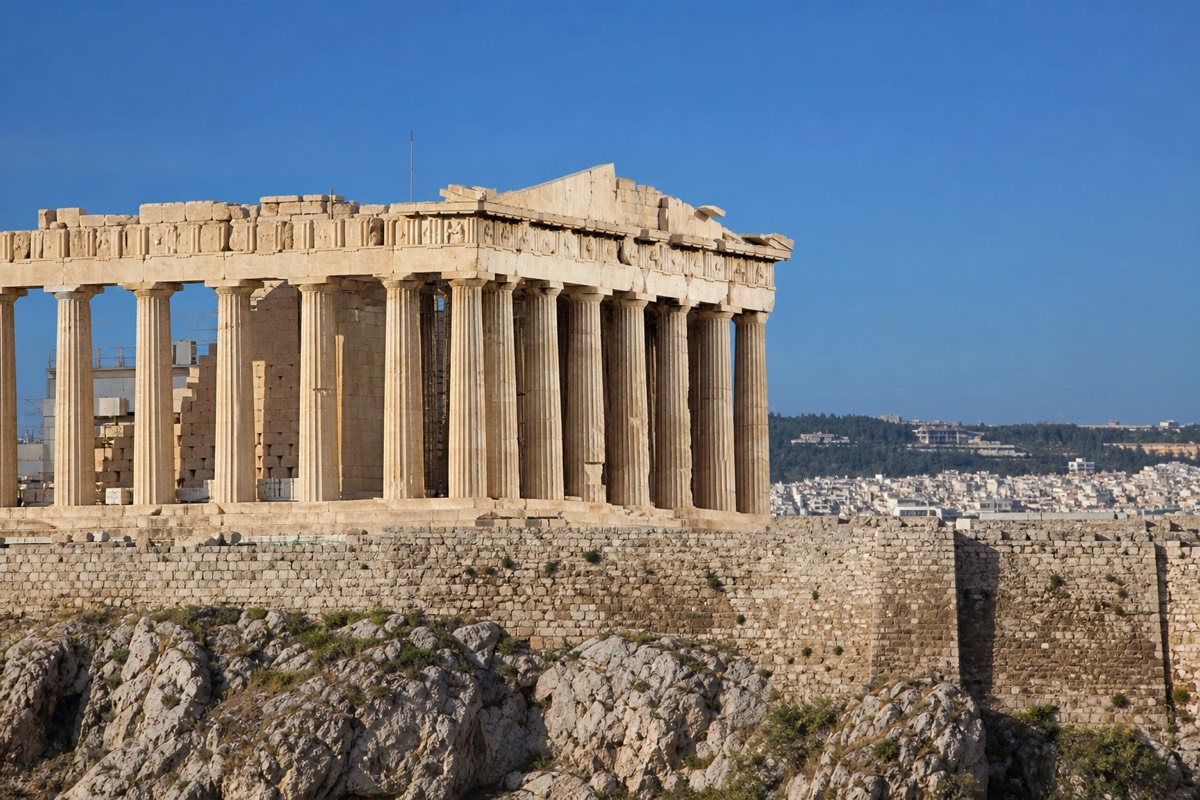
Give Athens two full days, not one. Day one is the Acropolis at the 8am opening followed by the Acropolis Museum. Day two is the Ancient Agora, the Temple of Hephaestus and the National Archaeological Museum, closing with the Plaka lanes and a sunset from Lycabettus or Filopappou Hill.
The single most common ten-day mistake is allocating one hot morning to Athens before rushing to the ferry. The Acropolis alone, walked properly through the Propylaea, the Temple of Athena Nike, the Parthenon and the Erechtheion, takes two to three hours, and the marble is both cooler and quieter at opening than it will be by mid-morning. Book the first entry slot; it is the difference between a small group and a crush.
The Acropolis Museum below the hill holds the original Parthenon frieze at the height and angle it once occupied, and it repays a full two hours rather than a thirty-minute look. If ancient history is the reason you came, the National Archaeological Museum is a separate half-day and one of the great collections anywhere. All of this is why two nights is the floor. Travellers weighing exactly this question can read our fuller take on how many days you need in Greece before locking the split.
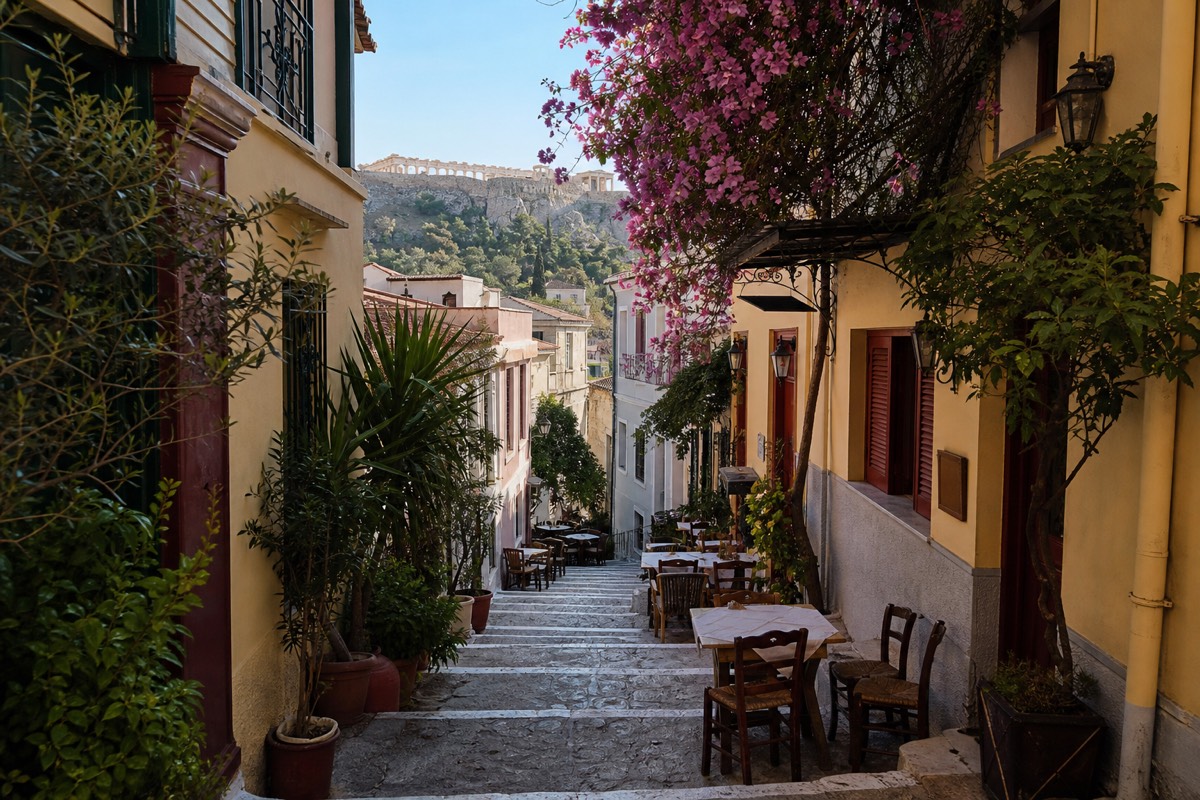
Spread the two days so neither feels like a checklist. A good rhythm is monuments in the cool of the morning, the museum through the hottest hours when its air conditioning is a relief, then the neighbourhoods in the evening: the Plaka lanes, a climb up Lycabettus or Filopappou Hill for the sunset over the Acropolis, and dinner in Monastiraki after dark. That shape gives you the ancient city and the living one in a single day without exhausting yourself.
Should you island-hop by ferry or fly on a ten-day trip?
Ferry for the crossings between islands, fly for the long final run home. The fast catamarans link Mykonos, Naxos and Santorini in two to three hours and are part of the trip. The conventional ferry from Santorini back to Piraeus runs close to eight hours, so a fifty-minute flight protects your last day.
The Cyclades sit close enough together that sailing between them is genuinely enjoyable, not a chore. Sitting on the rear deck as one island shrinks and the next rises out of the sea is a memory people keep. High-speed vessels roughly halve the crossing times of the older ferries, and on a ten-day trip you have the hours to spare. You can compare the trade-offs in detail in our guide to getting around Greece by ferry or flight.
Where flying earns its cost is the return. Athens sits fifty minutes from Santorini or Mykonos by air, against seven to eight hours on the slow boat that docks near midnight. Book crossings ahead in July and August, when the morning departures fill from operator blocks weeks in advance; you can check live schedules and reserve seats directly on Ferryhopper. The planning allowances below are typical door-to-door times, not guarantees, and always vary by operator and season.
| Leg | Fast ferry (allowance) | Conventional ferry | Flight | Best choice |
|---|---|---|---|---|
| Piraeus to Mykonos | ~3 hours | ~5 to 5.5 hours | ~50 min (from Athens airport) | Fast ferry outbound |
| Mykonos to Santorini | ~2.5 to 3 hours | n/a direct | Rare direct; usually via Athens | Fast ferry |
| Naxos to Santorini | ~2 hours | ~2 to 3 hours | None | Ferry either way |
| Santorini to Athens (return) | ~5 hours | ~7.5 to 8 hours | ~50 min | Fly if flight is same day |
Which islands pair best on a ten-day route?
The strongest pairings put one lively island against one dramatic one. Mykonos and Santorini is the famous duo. For a quieter, better-value ten days, pair Naxos or Paros with Santorini instead: the same caldera finale, but the first island stays recognisably Greek rather than fully given over to tourism.
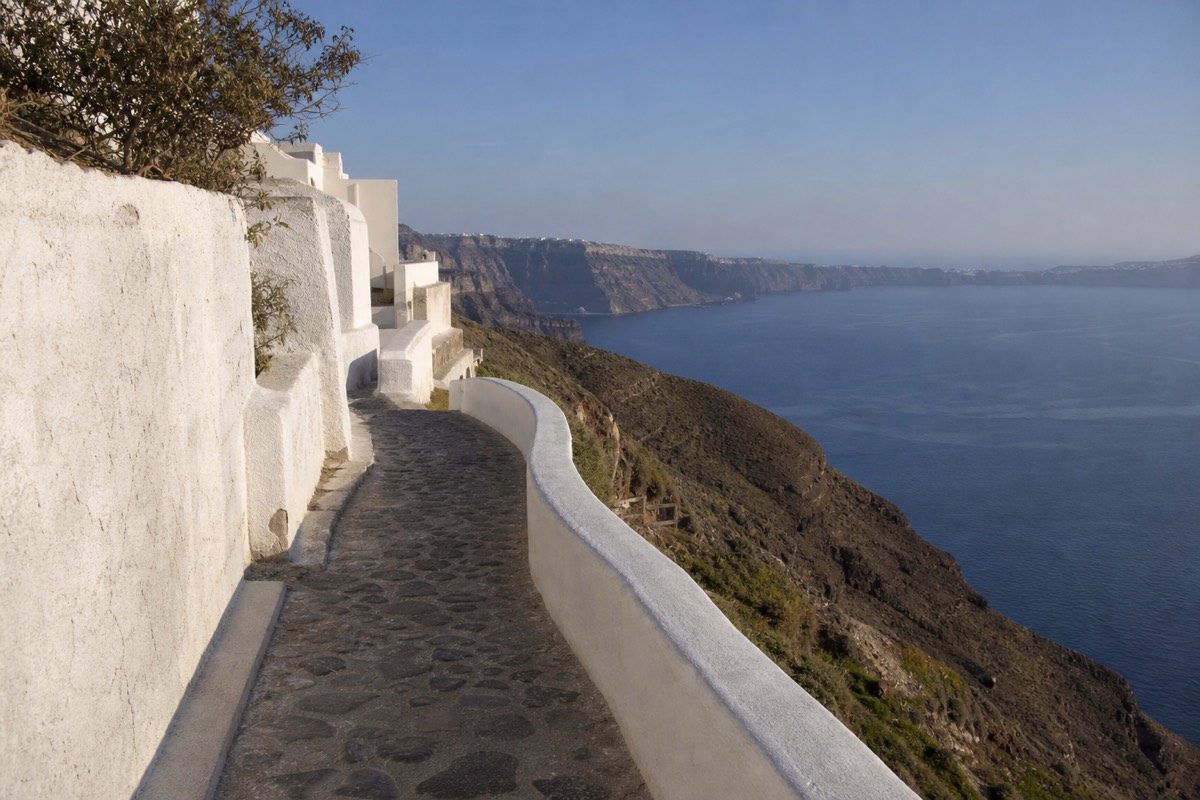
Each Cycladic island has a clear personality, and pairing them well is about contrast. Mykonos is beaches, nightlife and designer boutiques; Santorini is the volcanic caldera and the sunset; Paros is a softer, more authentic version of the Mykonos coastline; and Naxos, the largest of the Cyclades, grows its own food and wine and has a medieval hilltop kastro above the port. Deciding between the two headline islands is common enough that we wrote a whole guide on choosing Santorini or Mykonos.
| Island | Character | Best for | Pairs well with |
|---|---|---|---|
| Santorini | Volcanic caldera, cliff villages, the famous sunset | Views, wine, honeymoons | Almost anything; usually the finale |
| Mykonos | Beaches, nightlife, whitewashed Chora and windmills | Beach clubs, buzz, day trip to Delos | Santorini, for maximum contrast |
| Paros | Quieter Cycladic coast, Naousa fishing harbour | Relaxed beaches, value | Naxos or Santorini |
| Naxos | Largest Cyclades, mountain villages, real local life | Food, beaches, families | Paros or Santorini |
When is the best time for a ten-day Greece trip?
May and September are the two best months without qualification: warm seas, open islands, and manageable crowds. Late April, June and early October are close behind. July and August are hot, priciest and busiest, while November to March strips back ferry and island services to a skeleton.
A ten-day trip is long enough that the season shapes the whole feel, not just the weather. In May the hillsides still carry spring colour and you can walk the Acropolis in a small group at opening. September hands you a sea warmed by a full summer and a golden, lower light that photographers chase, with the big August tour groups gone. The official Greek National Tourism Organisation publishes current site hours and seasonal event listings worth a look before you fix dates, and our month-by-month guide to the best time to visit Greece goes deeper on each window.
| Window | Weather | Crowds | Price | Verdict for 10 days |
|---|---|---|---|---|
| Apr to mid-May | Mild, 18 to 24°C, sea still cool | Low | Good | Great for sightseeing, cooler swimming |
| Late May to Jun | Warm, 24 to 29°C | Low to medium | Good | Excellent all-rounder |
| Jul to Aug | Hot, 30°C plus | Very high | Highest | Busy; book far ahead, start early |
| Sep to mid-Oct | Warm, warm sea | Medium | Good | The best overall window |
| Nov to Mar | Cool, wetter | Very low | Lowest | Athens works; island services thin out |
What should a 10-day Greece trip cost?
Booked as a package, a ten-day Greece trip runs from roughly $2,300 to $3,400 per person, covering hotels, inter-island ferries and Athens transfers. Meals, site entries, tips and the overnight city tax are paid locally on top. Peak-summer dates and caldera-view rooms push the top of that range higher.
The package price is the concrete number to plan around, and the rest is a set of allowances you control. The self-guided island-hopping options anchor the lower end, while the semi-guided formats with local guides in each destination sit higher; the most-booked ten-day trip on this site, the semi-private version with three guided days, is priced from $3,352 per person. Independent travellers comparing the two paths will find the numbers in our breakdown of what a Greece trip actually costs and how expensive island hopping runs. Whichever way you go, the packages at Greece Tour Packages fold the hotels, ferries and transfers into one confirmed booking so the on-the-ground spend is mostly food and entries.
It helps to know exactly what the package price carries. Included across these itineraries are the hotels with breakfast, the inter-island ferries or flights, and the Athens airport transfers; the guided formats add a licensed English-speaking guide and the Acropolis entry. Left to pay locally are lunches and most dinners, museum and site tickets, tips, and the overnight city tax, which the hotel charges per room per night on a sliding scale from about 1.50 to 15 euros depending on the property's rating and the season.
| Format | Package from (per person) | What it covers | Extras to budget |
|---|---|---|---|
| Self-guided island hopping | ~$2,305 (9-day, 3 islands) | 3 or 4-star hotels, breakfast, ferries, transfers | Meals, entries, tips, city tax |
| Semi-guided, premium hotels | $3,197 (11-day, 4-star) | 4-star hotels, all ferries, one guided Santorini day with dinner | Lunches, most dinners, entries |
| Semi-private, 3 guided days | $3,352 (10-day) | Guided Athens, Mykonos and Santorini days, Acropolis and Akrotiri entry | Some meals, tips, city tax |
| On-the-ground allowances | Paid locally | Akrotiri ~€12, Nea Kameni volcano ~€5 | City tax €1.50 to €15 per room per night |
Who is a 10-day itinerary right for, and who should size up or down?
Ten days suits first-timers who want the classic Athens and Cyclades circuit without rushing, and couples who value unpacking twice rather than five times. Travellers on a tight week should read the seven-day plan instead, and anyone set on Crete or the mainland classical sites will want a two-week trip.
The honest test is how many bases you are willing to change. Ten days lets you build the trip around three of them, Athens plus two islands, and still feel unhurried. If your leave only stretches to a week, the answer is not to cram the same route into fewer nights but to drop an island: our first-timer's seven-day itinerary shows how to do Athens and two islands cleanly, and the eight-day plan shows what a single extra day buys. If you have the time and want a second region, step up to the two-week itinerary that reaches Crete or the Peloponnese.
| Traveller | Is 10 days right? | Better length |
|---|---|---|
| First-timer, wants the classics unhurried | Yes, the ideal fit | Stay at 10 |
| Couple or honeymoon, two islands | Yes | Stay at 10, or add a night on Santorini |
| Tight on leave, one week only | Trim it | 7 or 8 days, two islands |
| Wants Crete or the ancient mainland too | Not enough | 14 days |
| Keen island-hopper, four islands | Too rushed | 11 to 14 days |